
Last updated November 4, 2026
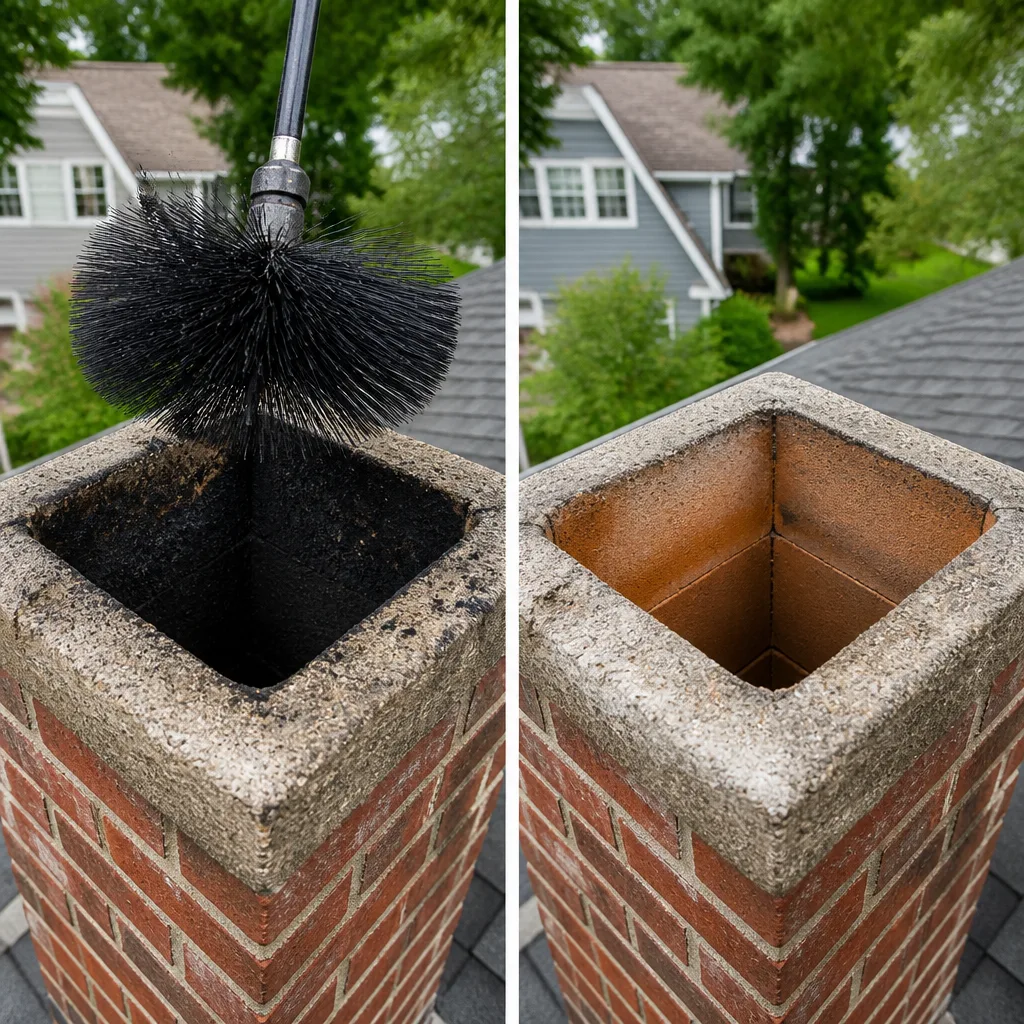 Sweep & inspection
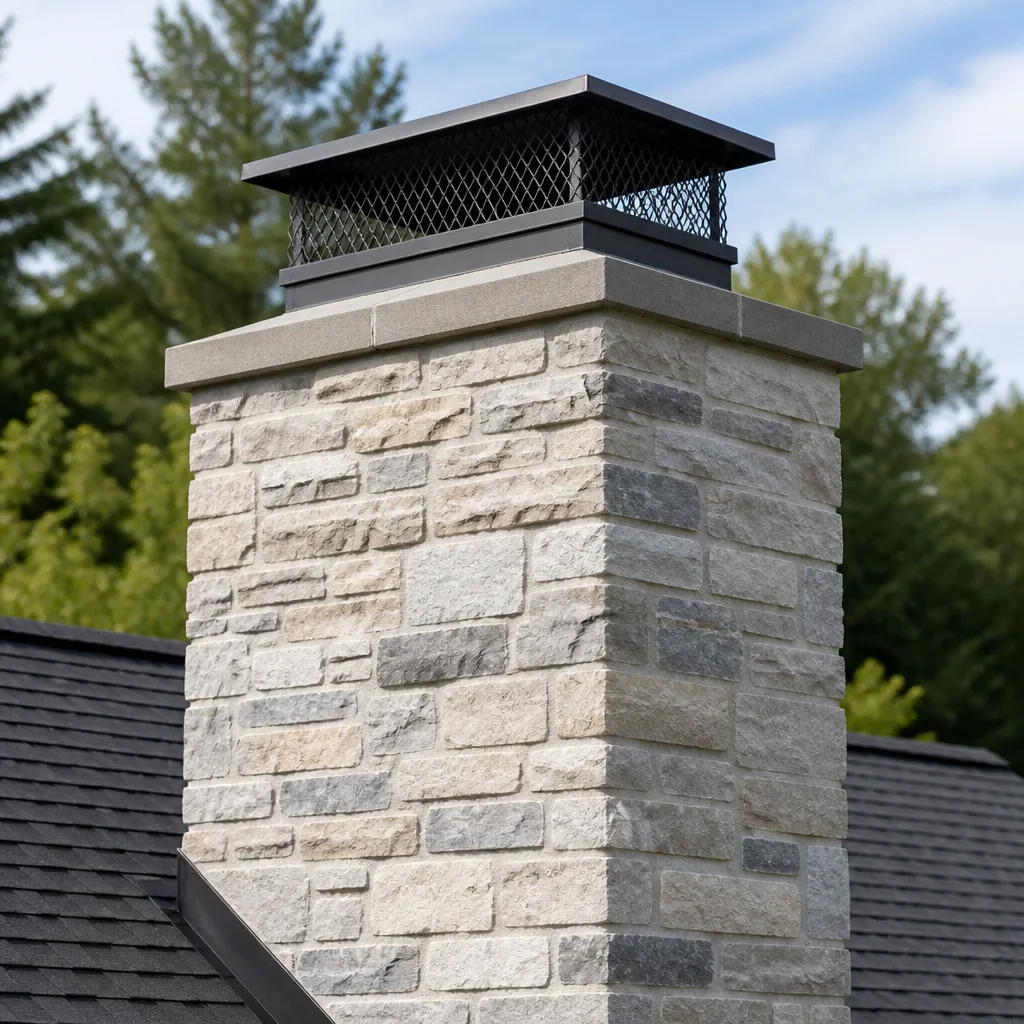 Caps & crowns
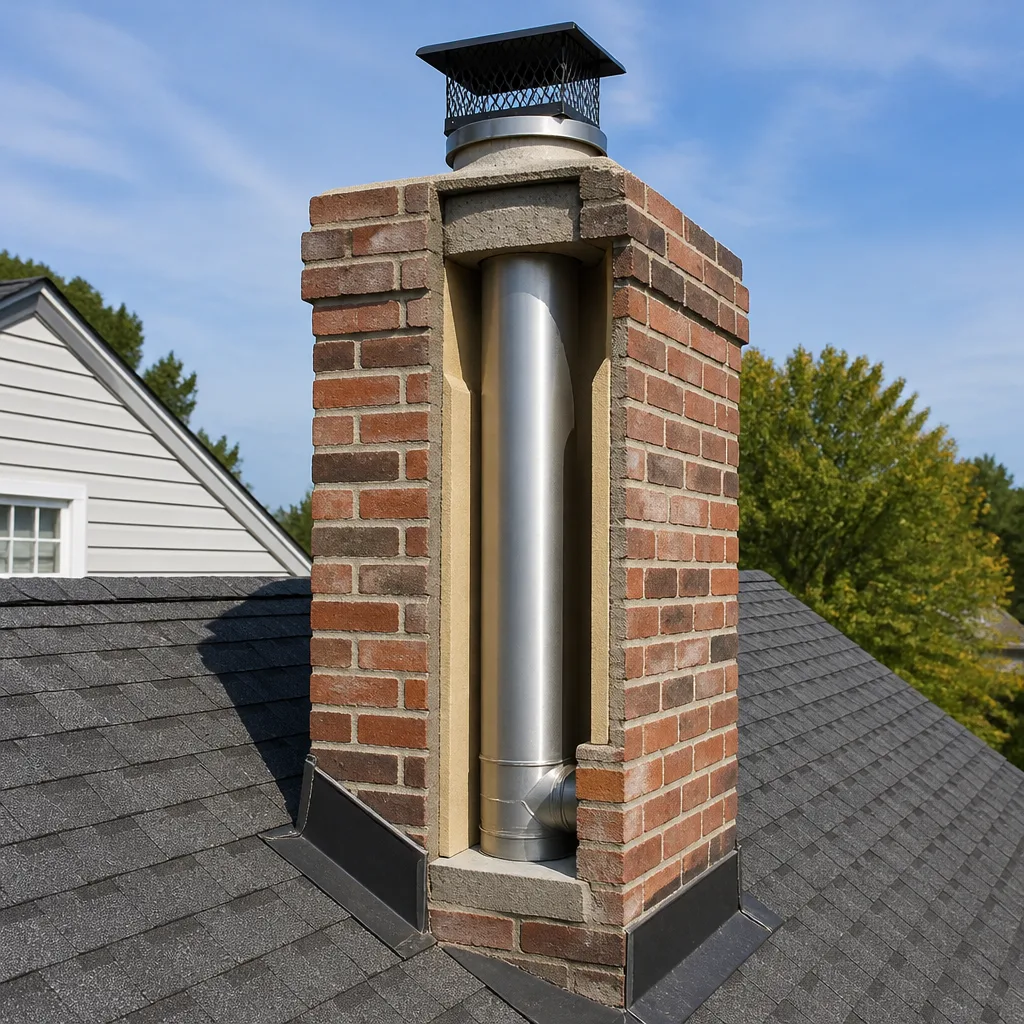 Flue relining
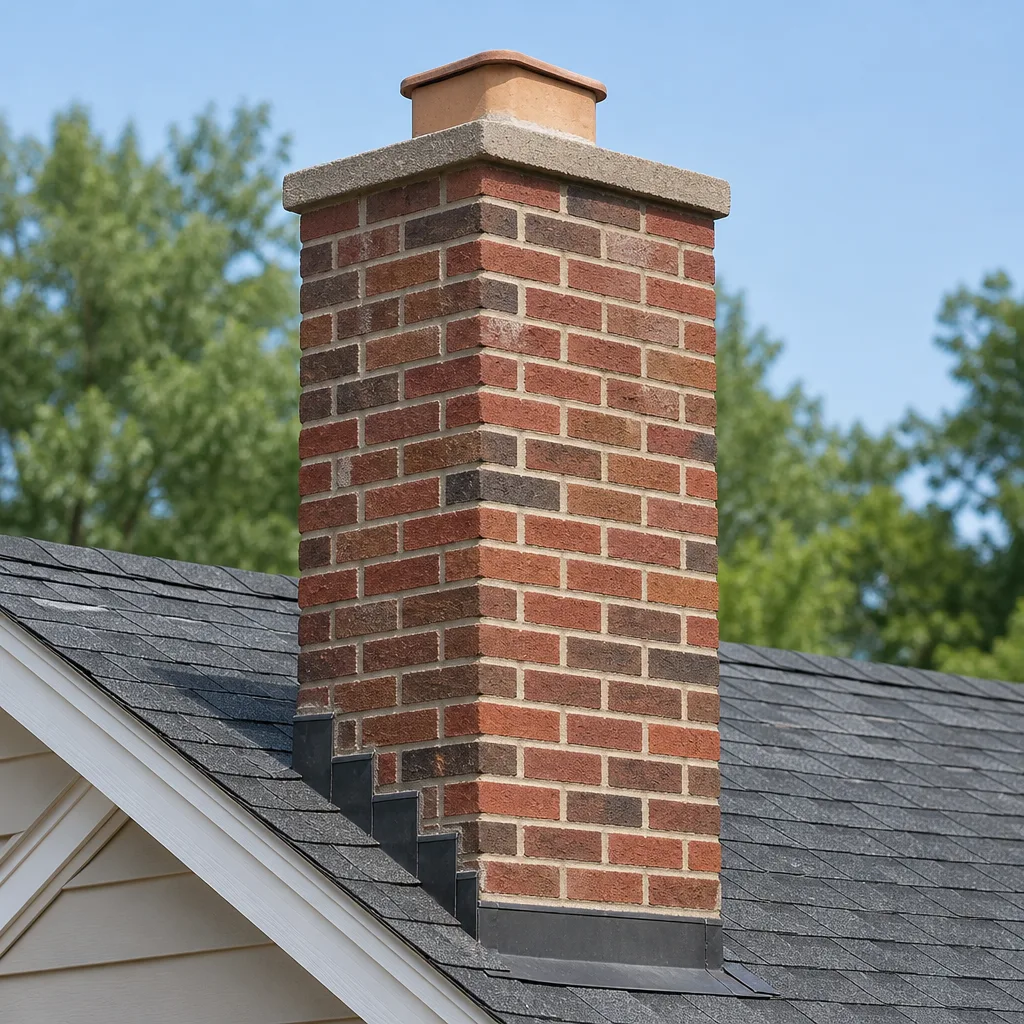 Masonry repair
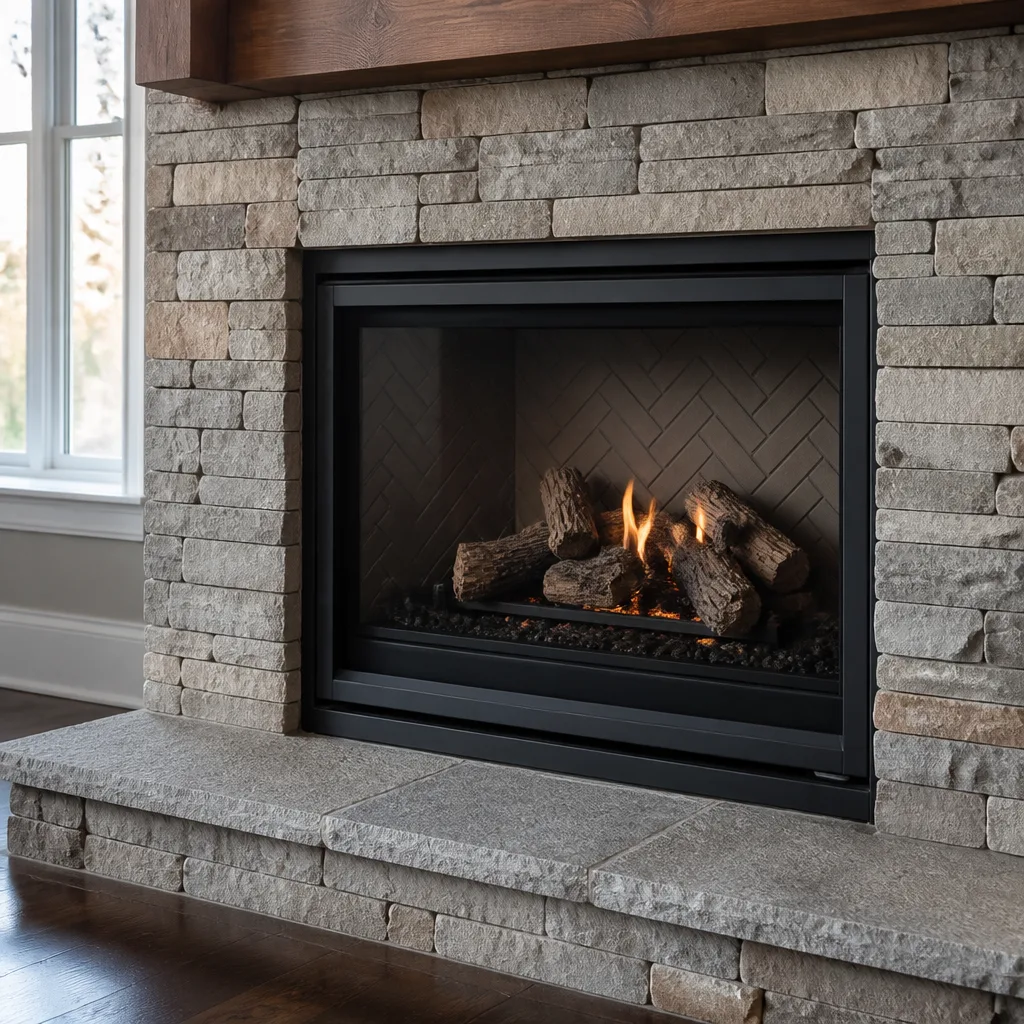 Gas fireplace service
Level 1 sweep and inspection to the NFPA 211 annual standard - flue, crown, cap, and flashing checked and photographed
Chimney sweep logs do not sweep chimneys. They loosen some creosote - which then falls where a brush and vacuum still have to collect it.
How to Hire a Chimney Cleaning Contractor in Eastvale: A Step-by-Step Guide
Search “chimney sweep near me” in Eastvale and the results won’t be a list of dedicated chimney companies. They’ll be HVAC contractors who squeezed “chimney cleaning” onto their service menu, pest control firms that own a brush set, and handymen willing to give it a try. Chimney work is a licensed, inspectable trade with real fire safety consequences, and the questions that separate a qualified sweep from an opportunist have nothing to do with star ratings. This guide gives you a concrete vetting framework, built for the Eastvale and Riverside County market, so you can make the call before anyone climbs onto your roof.
Quick Answer
To hire a chimney cleaning contractor in Eastvale, verify three things: a current CSIA certification and California C-61 limited specialty license, proof of general liability and workers’ compensation insurance, and a written estimate with line items that include camera inspection, flue condition notes, and disposal. Then screen by phone using the five questions below, read the estimate for vague language, and never accept a bid that skips camera inspection. Call Chimney Sweep Eastvale at (866) 569-7136 for a free estimate. We answer 24/7. Fast dispatch from 7am to 7pm, Sunday through Friday.
Styles & brands we work with
- Sweep & inspection
- Caps & crowns
- Flue relining
- Masonry repair
- Gas fireplace service
Table of Contents
- Step 1: Verify the Credentials That Actually Matter in California
- Step 2: Five Phone-Screen Questions That Reveal a Generalist
- Step 3: How to Read a Written Estimate Like an Inspector
- Step 4: Why Camera Inspection Separates Real Sweeps from Guesswork
- Step 5: Red Flags Specific to the Eastvale Market
- Step 6: The Liner Question: Repair, Resurface, or Replace
- Step 7: Bundle or Separate: Chimney and Dryer Vent in One Call
- Common Mistakes to Avoid
- When to Call a Professional
Step 1: Verify the Credentials That Actually Matter in California
California regulates chimney work differently than most states, and Eastvale homeowners should understand what a legitimate contractor carries before letting anyone near a roofline. The credential conversation starts with three items: the CSIA certification, the C-61 limited specialty license, and insurance coverage that protects you, not just the contractor.
The CSIA, or Chimney Safety Institute of America, is the only nationally recognized certification body specific to this trade. A CSIA-certified sweep has passed a written exam on fire codes, clearances, and inspection methodology, and must recertify every three years through continuing education. If a company can’t name their CSIA credential holder on the phone, that’s the end of the conversation.
The California piece is the C-61 / D-34 limited specialty license, issued by the Contractors State License Board. This is the classification for chimney and fireplace contractors, distinct from a general building license. It tells you the company has met minimum experience requirements and passed a trade exam for this specific discipline, not inherited chimney work as a secondary line. Ask for the license number and verify it on the CSLB website. It takes thirty seconds and weeds out most generalists immediately.
Then there’s insurance, and here’s where a distinction matters more than most homeowners realize. General liability covers damage to your home if a roofline repair goes wrong or debris damages interior finishes. Workers’ compensation is separate, and without it, a crew member injured on your property in Eastvale becomes your liability problem through your homeowner’s policy. Ask for both certificates, and not just a verbal assurance. A real chimney company carries both as a standard cost of doing business, and they’ll send you the documents without hesitation.
Step 2: Five Phone-Screen Questions That Reveal a Generalist
A two-minute phone call will tell you more than twenty online reviews. These five questions are designed to separate a company that stocks professional-line chimney materials from one that orders whatever a discount distributor has on the shelf. Write these down before you call.
- “What liner systems do you install, and which do you stock?” A specification-grade chimney contractor will answer with names like chimney sweep companies that install DuraFlex flexible liner systems. If the answer is “whatever works” or a pause followed by “stainless steel,” you’re talking to a generalist. The brand name matters because it tells you the company has an ongoing supply relationship with a professional distributor, not a trip to a hardware store.
- “Does your standard sweep include camera inspection?” The correct answer is yes, always, included in the base price. Flue deterioration, cracked tile, hidden blockages, and animal nests are invisible from the roof opening and a flashlight only shows the first few feet. A company that offers camera inspection as an add-on, or doesn’t own a camera, is guessing at the most important part of the job.
- “What repair methods do you offer beyond a sweep?” Listen for specificity. A company that can discuss HeatShield resurfacing as an alternative to full relining understands modern chimney restoration. A company that only knows “reline or replace” is working with a limited playbook, which means you’ll be steered toward the most expensive option whether or not it’s necessary.
- “Who is on the crew that will come to my home?” If the answer is “a technician,” ask if that technician is a W-2 employee with workers’ compensation coverage or a subcontractor. In Eastvale and throughout Riverside County, some companies sell the job and then sub it out to an independent operator with unknown credentials. A real chimney company sends its own trained employees, covered by its own insurance.
- “Can you clean my dryer vent on the same visit?” This question is a category test. A company that does chimney work and dryer vent work under one roof, with the same trained process, understands that dryer exhaust and chimney flues are both fire-safety ventilation systems. Generalists treat a dryer vent as an afterthought to upsell. If the answer is “we don’t do that” or “we can refer you to someone,” you’ve learned something useful about their scope, even if you end up hiring them for the chimney alone.
Step 3: How to Read a Written Estimate Like an Inspector
A written estimate is a contract in everything but signature, and the language on it tells you exactly how the company does business. Contractors in Eastvale should hand you a detailed, line-item document, not a number scrawled on a business card. Here’s what a legitimate chimney sweep estimate includes, and what vague wording signals.
Line items that should always be present:
- Scope of work – “Sweep fireplace flue, remove creosote from smoke chamber and firebox, inspect cap and crown” with no room for interpretation.
- Inspection findings – a place for the technician to note flue condition, clearance issues, or animal evidence, written at the time of service and attached to your invoice.
- Camera inspection – listed as part of the base price, not grayed out or added as a separate line.
- Disposal and cleanup – explicit statement that all creosote, soot, and debris are removed from your property and disposed of off-site.
- Repair recommendations with justification – if a repair is suggested, the estimate should state what was found, where, and what the repair path is. “Recommended repair: Crown patch, visible cracking at southeast corner” is an estimate. “Repair as needed” is a blank check.
Language that signals a bait-and-switch:
- “Starting at” pricing – a hook to get a technician to your door, where the real number happens.
- “Inspection required before estimate” – a camera inspection is part of the job, but a company that charges to look before they’ll even quote the basic sweep is monetizing your uncertainty.
- “Additional work as discovered” – vague enough to cover anything, and a way to add line items after you’ve committed.
- “Parts and labor” without any parts named – if they can’t tell you what a DuraFlex liner section costs as a line item, they’re not stocking it.
One more note on Eastvale specifically: your house may be part of a newer subdivision where the original fireplace was installed by the builder. Those installations met code at the time, but construction-grade components don’t always age well. A detailed written estimate protects you from being sold a repair that the original builder should have specified differently. The paper trail is your leverage.
Step 4: Why Camera Inspection Separates Real Sweeps from Guesswork
Here’s the uncomfortable math of chimney work: the lowest bid almost always reflects a camera-free inspection, and what that costs downstream can be the difference between a $200 sweep and a $2,000 emergency reline. A technician who sweeps without a camera sees the first few feet of the flue. That’s it. The rest is assumption.
A camera inspection does something no brush can do: it shows the entire interior surface of the flue, from the firebox to the termination cap, in real time. Cracked clay tile liners, gaps at mortar joints, hidden creosote glaze, animal nests, and water intrusion all live in the parts of the flue you can’t see from the roof. In Eastvale’s newer construction, we’ve found builder debris, drywall scraps, and even framing nails inside flues that were never cleaned before the home was sold. None of that is visible without a camera.
What a camera-free inspection costs you is the difference between a repair and a replacement, discovered too late. One Eastvale homeowner calls for a sweep, gets a brush run, and pays $150. Six months later there’s smoke backing up into the living room. The camera finally comes out, and the flue liner is cracked in three places. That’s now a liner job, where a patch might have been possible if the cracks were caught during the first visit. The camera isn’t a luxury. It’s the single most important tool in the trade, and you should refuse to hire a company that doesn’t use one, in Eastvale or anywhere else.
This is also where product knowledge becomes visible in the estimate. If the camera shows flue tile deterioration, a company that works with HeatShield can discuss resurfacing as a code-recognized alternative to full relining. A generalist who doesn’t stock the product will quote you a liner replacement because that’s the only thing they know how to sell. Same camera. Different answer. Different cost.
Step 5: Red Flags Specific to the Eastvale Market
Eastvale sits in a specific position within Riverside County: new enough that many homes are still on their original chimney components, established enough that those components are now aging. That timing creates a market dynamic that attracts a particular kind of operator, and homeowners should recognize the patterns.
Unlicensed solicitors after windstorms. Riverside County gets its share of Santa Ana wind events, and after a strong one, door-to-door crews appear offering “free roof and chimney inspections.” These are not chimney companies. They’re storm chasers looking for insurance claims, often unlicensed for the trades they claim to perform. A legitimate chimney contractor in Eastvale doesn’t need to knock on your door after a wind event. You call them.
Door-to-door “inspection specials.” This is the softer version of the same play. Someone at your door with a clipboard and a $49 chimney inspection special. The inspection will find problems, because the entire point of the cheap inspection is to generate repair work at inflated prices. The $49 is a loss leader for a $3,000 repair you can’t verify without a second opinion. Ask for a CSLB license number before you even listen to the pitch.
The “we’re already in your neighborhood” discount. Eastvale’s subdivision layout makes it efficient for crews to work multiple homes in sequence, and a discount tied to proximity can be legitimate. But a company cold-calling with a neighborhood discount is using social pressure and artificial urgency to bypass your vetting process. A real contractor’s price is set by the scope of work, not by whether you happen to be the third house on the block.
HVAC contractors claiming chimney specialization. Eastvale has a large stock of homes with gas inserts and direct-vent systems, which overlap with HVAC territory. An HVAC contractor is not automatically unqualified to work on a gas fireplace vent, but the company that lists “chimney cleaning” as a fifth service on their website, behind air conditioning, heating, and ductwork, is not a chimney specialist. Ask the five phone-screen questions and see how many they can answer.
Step 6: The Liner Question: Repair, Resurface, or Replace
At some point in a chimney’s life, the flue liner will need work. The question is what kind, and the answer should come from camera evidence, not from a sales play. Eastvale’s climate is mild, but every fire your flue carries adds thermal stress, and clay tile liners crack. When the camera shows the damage, you’ll hear one of three recommendations. Here’s what each one actually means.
Repair. A cracked tile or a small section of deteriorated mortar can sometimes be addressed with a targeted patch. This is the least expensive path and the most limited in application. It works when the damage is isolated and the rest of the flue is sound. It does not work when the liner is failing across multiple tiles or the mortar joints are eroding throughout.
Resurface. HeatShield is a ceramic resurfacing compound applied to the interior of a deteriorated flue, restoring its structural integrity and fire resistance without removing the existing liner. It’s code-recognized, it’s less invasive than a full reline, and it’s the repair path most generalists can’t offer because they don’t have the application certification or the product relationship. For many Eastvale homeowners with moderate flue deterioration, resurfacing is the right call: a mid-point between patchwork and replacement, and one that can extend the life of the existing chimney by years.
Replace. A full reline means removing the damaged liner and installing a new one, typically a flexible stainless system like DuraFlex. It’s the most expensive option and the right one when the flue is too far gone for resurfacing, or when the homeowner is switching fuel types, or when clearances can’t be verified any other way. A company that quotes a full reline without offering resurfacing as a comparison hasn’t considered all your options, or doesn’t stock the product that makes the cheaper option possible.
Ask for the camera footage. A legitimate contractor will show it to you on the spot, explain what you’re looking at in plain language, and give you the three-tier decision with honest trade-offs. If the answer is “trust us, it needs to be replaced,” get a second opinion before you spend thousands.
Step 7: Bundle or Separate: Chimney and Dryer Vent in One Call
Most Eastvale homeowners don’t think of their dryer vent and their chimney as related systems, but they share a failure mode: lint and creosote are both flammable materials that accumulate in a confined vent and need periodic removal. A company that treats both as core services, not upsells, is running a fire-safety business. A company that only sweeps chimneys is leaving money on the table, and a company that only cleans dryer vents doesn’t understand the full picture.
The practical argument for bundling is efficiency. One visit, one crew, both systems inspected and cleaned, and one invoice. The operator dispatches a trained team to your dryer vent cleaning and chimney sweep in the same morning. You get camera footage of both, a written report for both, and you’ve handled two fire-safety maintenance items in the time it takes to schedule one.
The deeper argument is that bundling reveals whether a company is a real chimney operation or a generalist. A company that stocks Famco venting components and Copperfield cap products for both chimneys and dryer terminations is running a ventilation business with professional supply relationships. A company that improvises dryer vent cleaning with a shop vacuum is treating it as a side task, and the results show in the vent. The five phone-screen questions above will sort this out quickly. Ask about both services in the same call.
Common Mistakes to Avoid
- Hiring on price alone. In chimney work, the lowest price is almost always a camera-free estimate wrapped around a hidden upsell. What you save on the sweep, you’ll pay on the repair you never saw coming.
- Skipping the CSLB verification. It takes thirty seconds to check a C-61 license on the CSLB website, and an unlicensed operator in Eastvale who damages your roof or injures themselves on your property becomes your liability. Never skip it because the price was right.
- Accepting “no camera” as a limitation of the trade. It’s not. Every professional chimney sweep in Riverside County carries a camera. A company that doesn’t is either unequipped or avoiding documentation.
- Not asking about workers’ comp. General liability covers your house. Workers’ compensation covers the person on your roof. Without proof of both, you’re exposed either way, and the company knows it.
- Letting a door-to-door crew rush you into a decision. Storm chasers and inspection-special peddlers rely on urgency to bypass your vetting. A real contractor will give you a written estimate and let you think.
- Treating the chimney as secondary to the fireplace. The fireplace is a box. The flue is a fire containment system. In Eastvale’s newer construction, flues from builder-installed fireplaces are now twelve to fifteen years old, and they need inspection regardless of how the firebox looks.
When to Call a Professional
A chimney should be inspected and swept at least once a year if you burn wood, and inspected annually even if you don’t. But there are specific signs that shouldn’t wait for the annual reminder. If you smell smoke when the fireplace isn’t in use, that’s flue odor indicating creosote or a partial blockage. If you see soot falling into the firebox during startup, or hear animals in the flue, or notice a white, powdery residue on the exterior brick, those are signs of water intrusion and liner damage. And if it’s been more than a year since anyone looked at the vent on your gas insert, you have carbon monoxide pathways you’ve never verified. None of these are DIY situations. Chimney Sweep Eastvale offers free estimates in Eastvale – call (866) 569-7136. We answer 24/7. Fast dispatch from 7am to 7pm, Sunday through Friday.
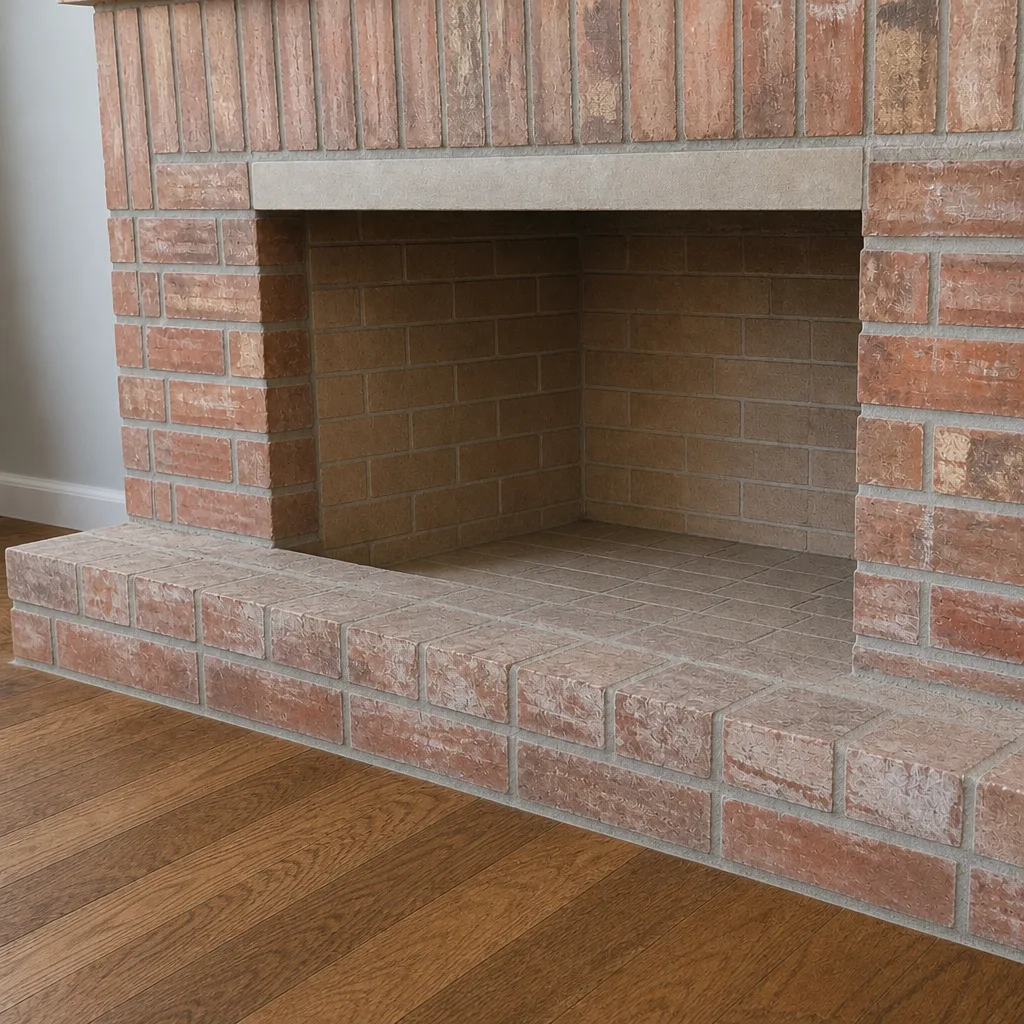
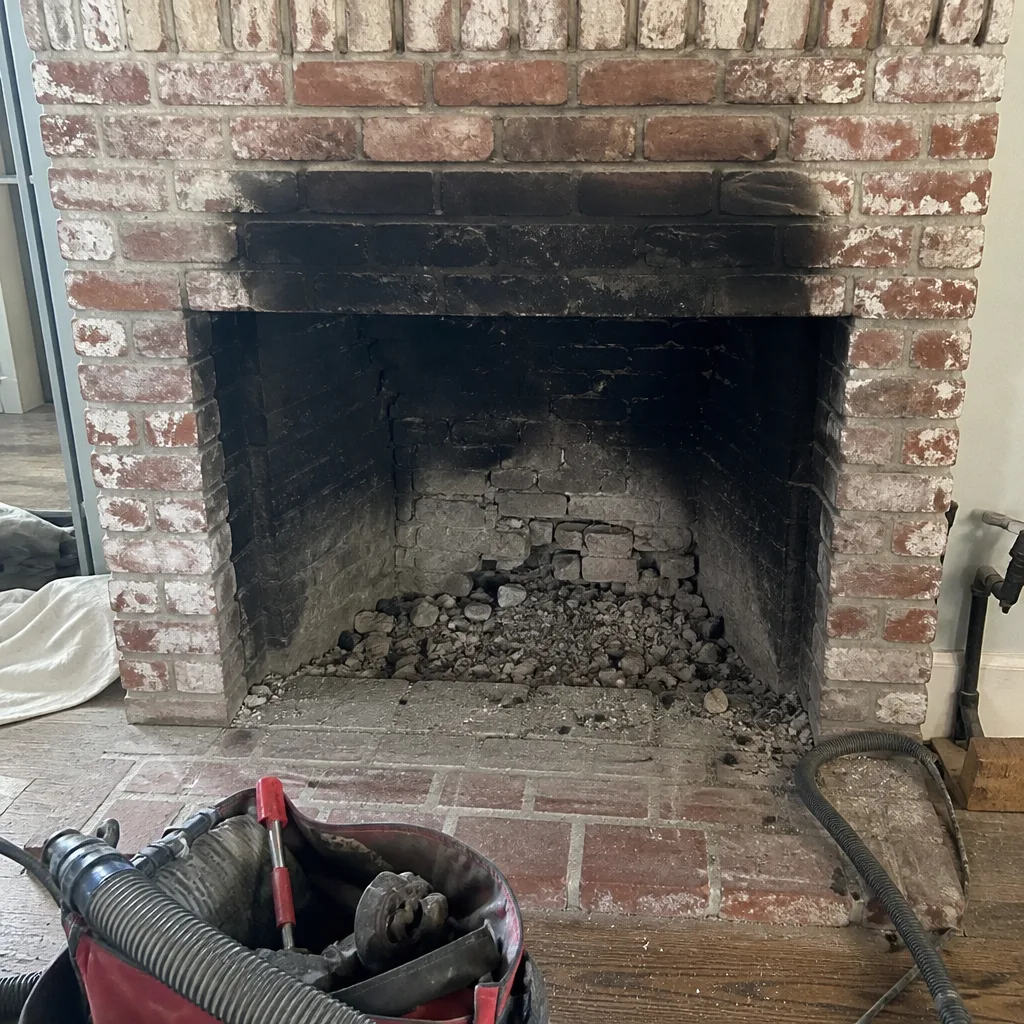
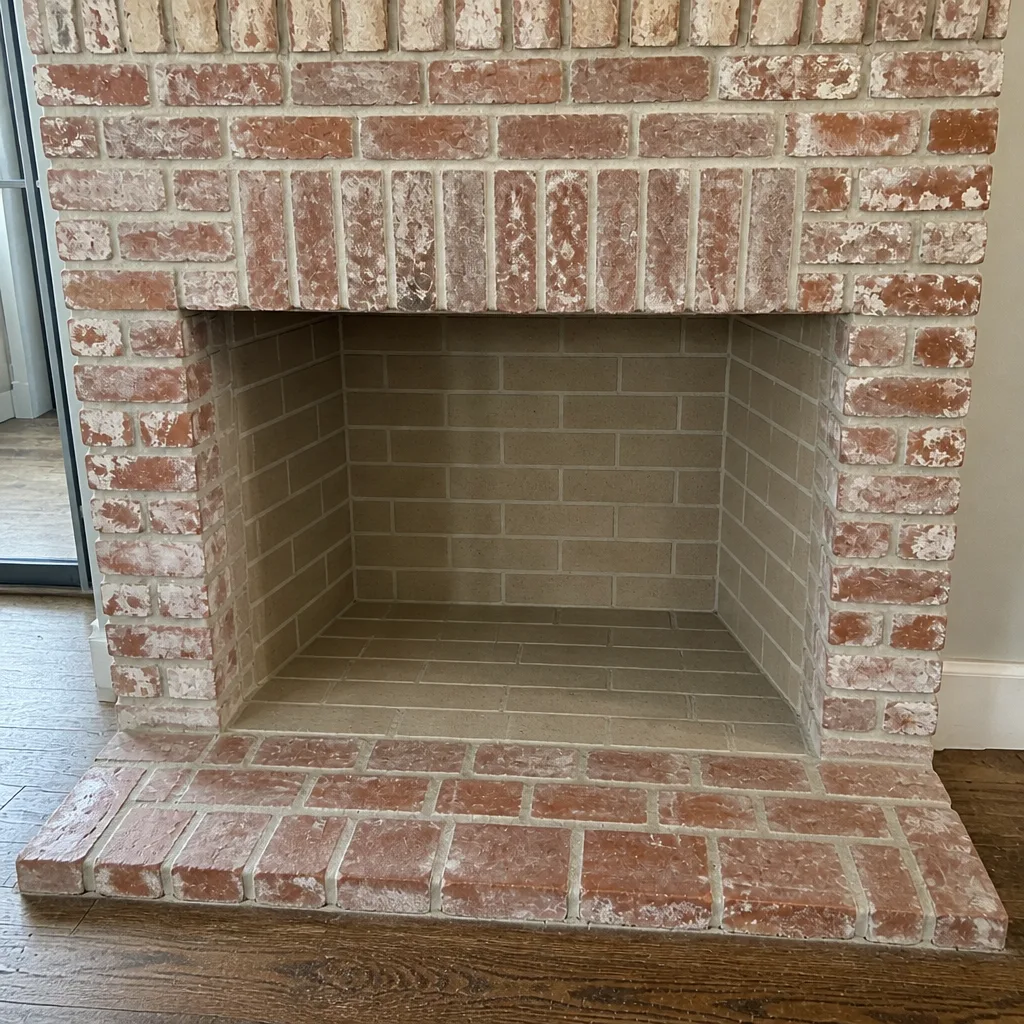
See the difference
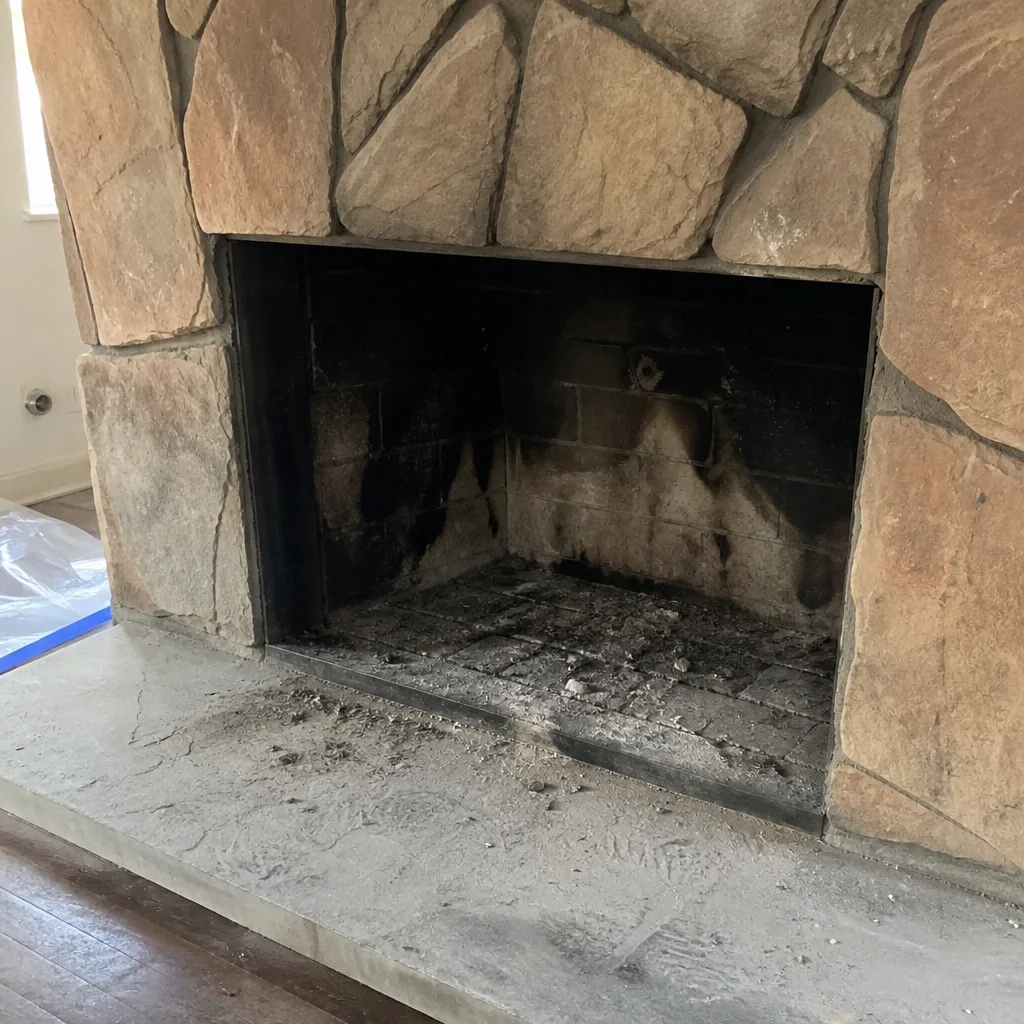 Before
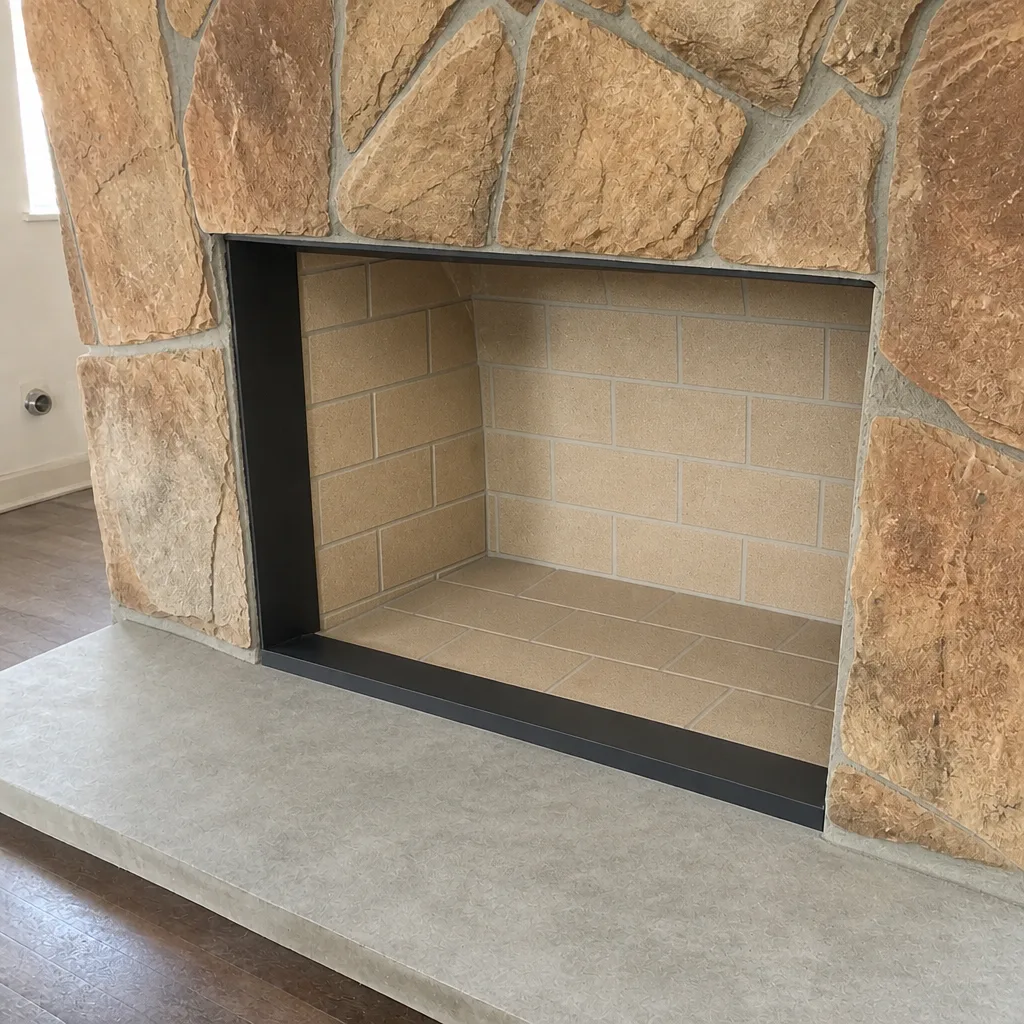 After
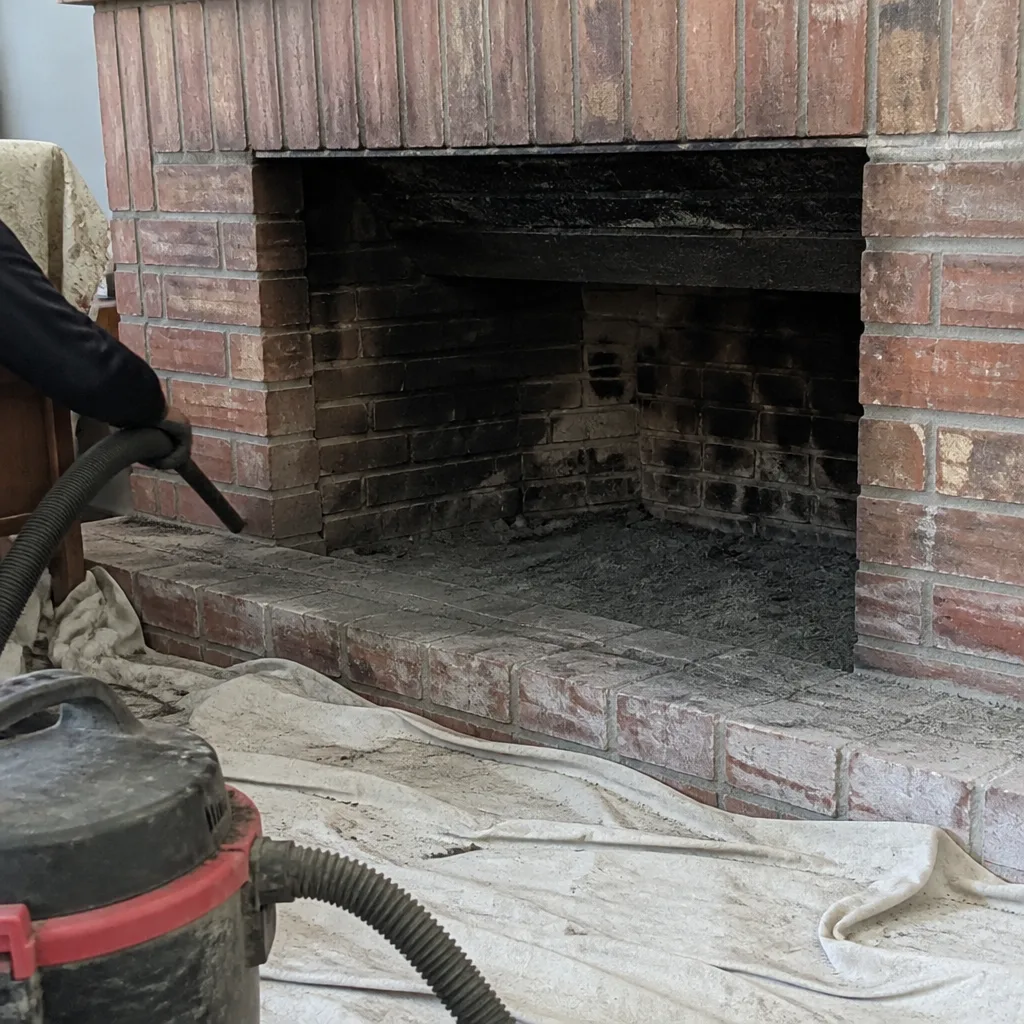 Before
 After
 Before
 After
Frequently Asked Questions
In Eastvale, a basic chimney sweep with camera inspection typically runs between $180 and $400, depending on the flue length, accessibility, and whether the fireplace has a gas insert or wood-burning setup. The estimate should be line-itemed and include inspection, sweeping, and disposal. Call (866) 569-7136 for a free estimate on your specific chimney.
Only if the camera footage shows damage that can’t be resurfaced with a product like HeatShield. A full reline with a DuraFlex system is the right call for severely deteriorated flues, but moderate tile cracking can often be addressed with resurfacing at a lower cost. Ask to see the camera footage and get a second opinion if the reline is the only option offered. Call (866) 569-7136 for a free camera inspection before you commit to any liner work.
A wood-burning chimney should be swept at least once per year, or more often if you burn more than two cords of wood per season. Gas fireplaces should have an annual inspection even if they don’t produce creosote, because ventilation issues and carbon monoxide pathways can develop without visible soot. In Eastvale’s mild climate, the annual schedule aligns with the start of burning season in the fall.
Creosote accumulates in the flue and becomes a fire risk: creosote ignites at around 451 degrees Fahrenheit, and a chimney fire can crack the flue liner and spread into the home’s structure before you know it’s burning. Even without a fire, a blocked flue means smoke and carbon monoxide can back up into the living space. The cost of a sweep is less than the deductible on a chimney fire claim. Call (866) 569-7136 to schedule a sweep in Eastvale.
A C-61 / D-34 limited specialty license from the CSLB is required for chimney and fireplace work in California, distinct from a general building license. Always verify the license number on the CSLB website before hiring anyone in Eastvale or elsewhere in Riverside County.
A company that runs both services under one roof can handle both in a single dispatch, and in Eastvale that’s the most efficient way to maintain both fire-safety ventilation systems. Ask when you schedule whether the crew carries camera inspection equipment for both the flue and the dryer exhaust. Call (866) 569-7136 to book both on the same visit.
The Bottom Line
Hiring a chimney contractor in Eastvale is about verifying that the person who shows up actually specializes in the trade, carries the right tools, and can show you proof of what they find. The credentials are checkable. The camera inspection is non-negotiable. The estimate should be line-itemed and specific. And the company you choose should stock professional-line materials like DuraFlex and HeatShield, because the brands they source tell you what kind of business they’re running. Run the phone screen, read the estimate, and don’t let a cheap inspection turn into an expensive repair you can’t verify. Chimney Sweep Eastvale serves Eastvale with free estimates – call (866) 569-7136. We answer 24/7. Fast dispatch from 7am to 7pm, Sunday through Friday.
Written by the team at Chimney Sweep Eastvale, serving Eastvale since 2016.