
Last updated November 4, 2026
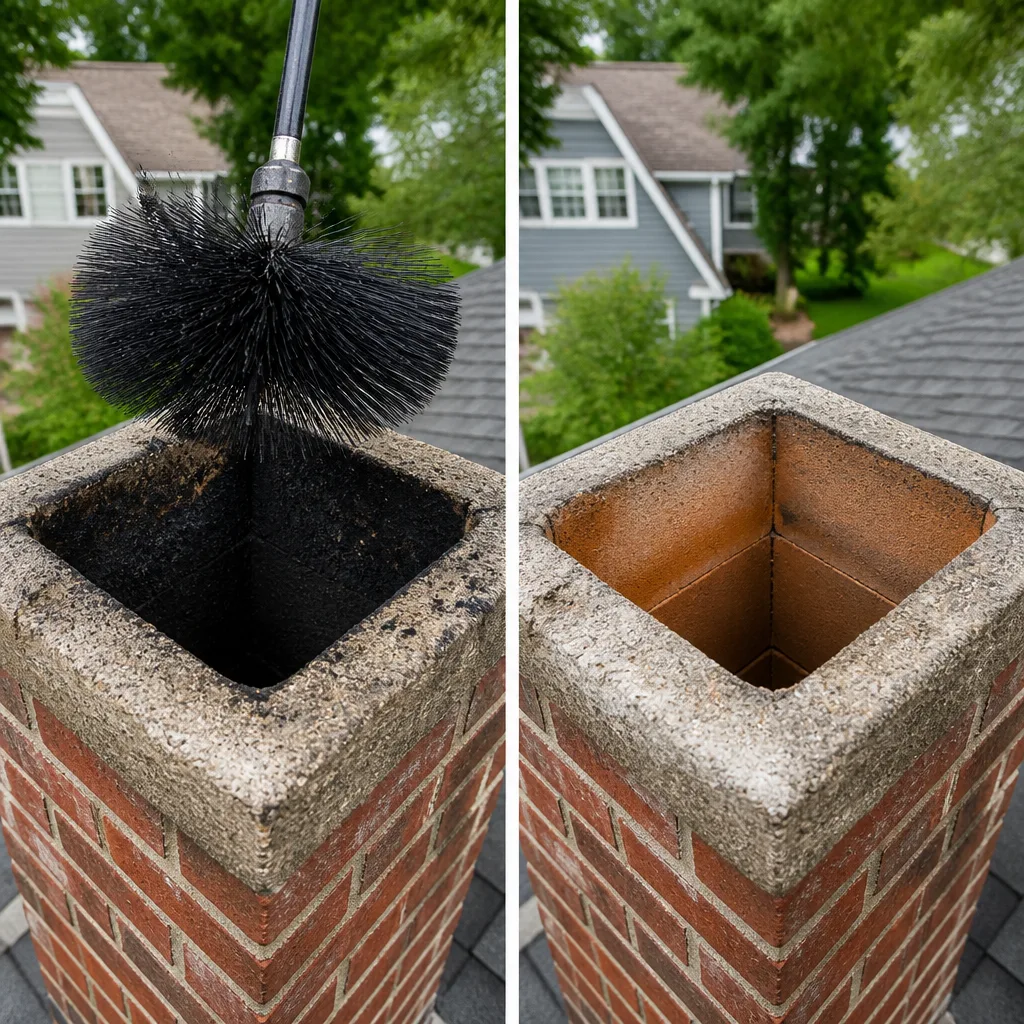 Sweep & inspection
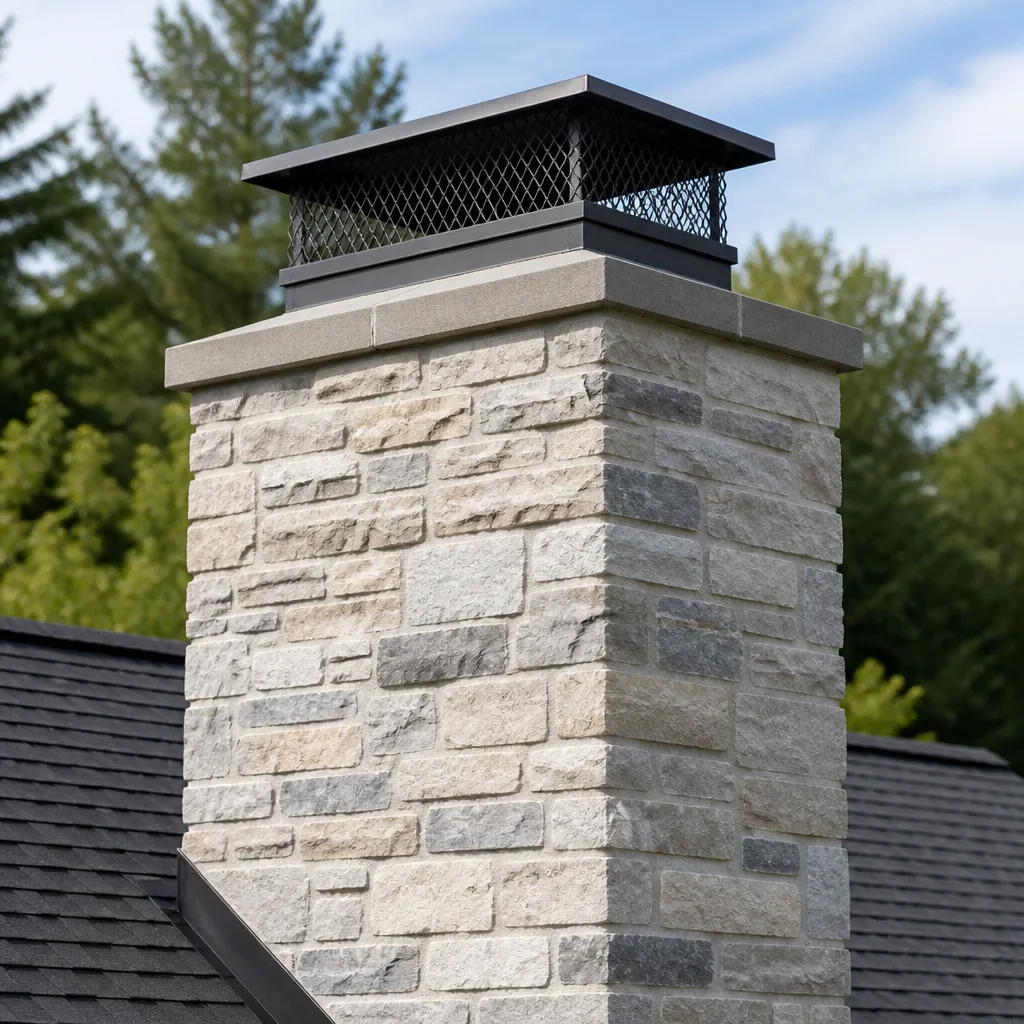 Caps & crowns
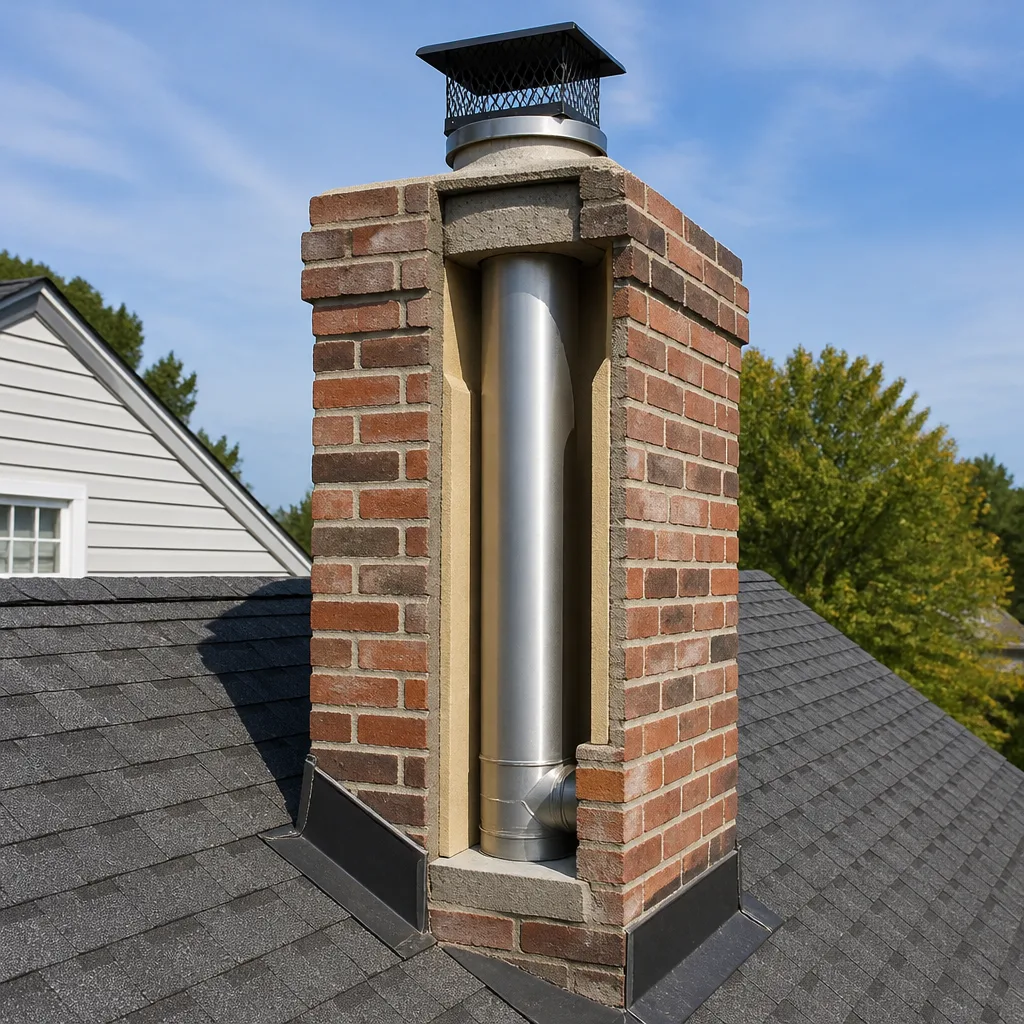 Flue relining
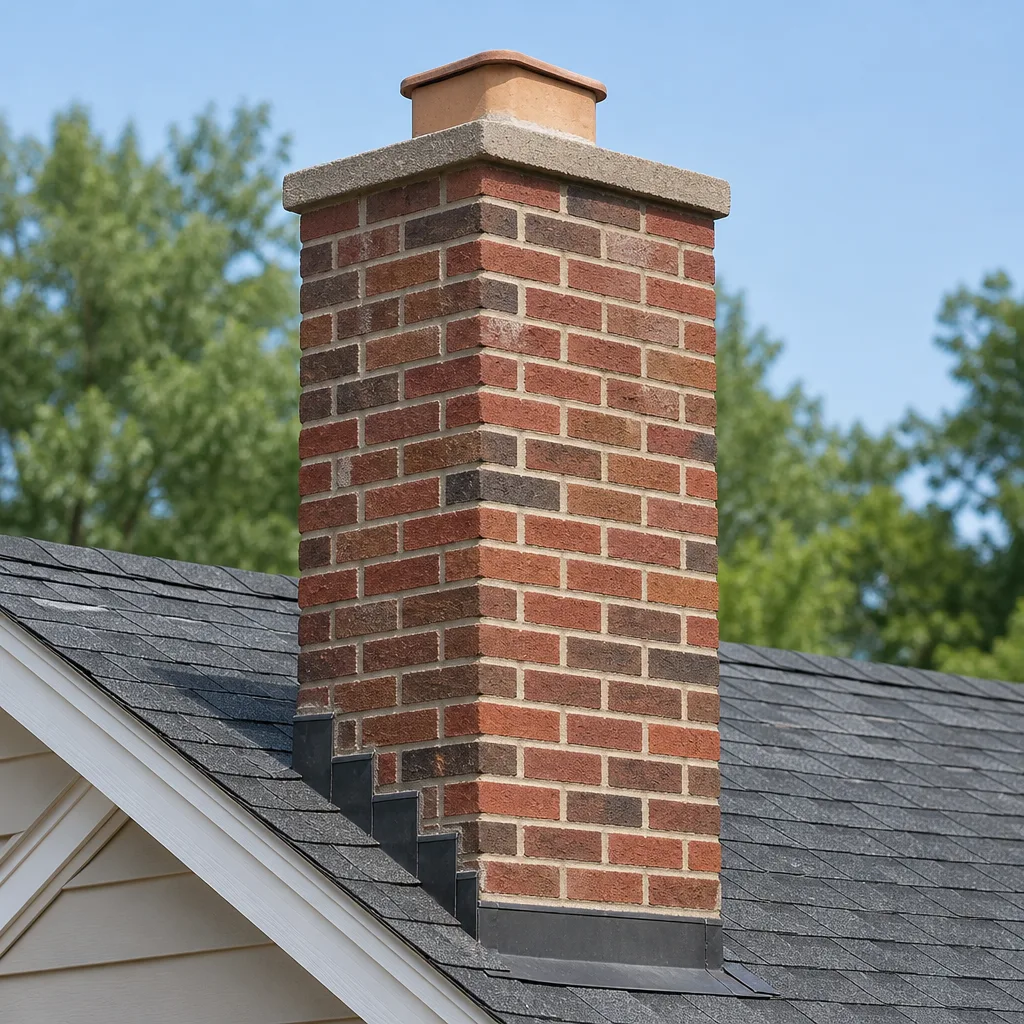 Masonry repair
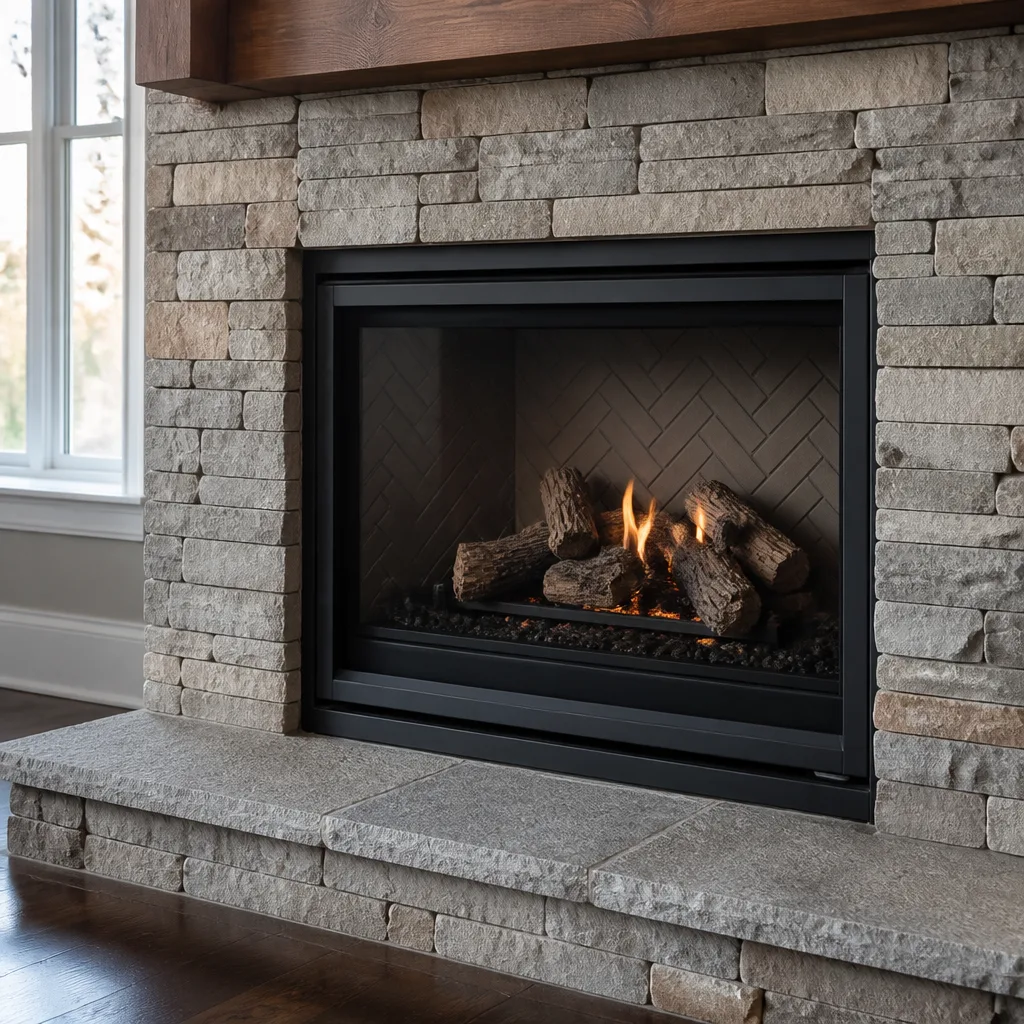 Gas fireplace service
Level 1 sweep and inspection to the NFPA 211 annual standard - flue, crown, cap, and flashing checked and photographed
Chimney sweep logs do not sweep chimneys. They loosen some creosote - which then falls where a brush and vacuum still have to collect it.
Seasonal Chimney Cleaning Care for Eastvale: Year-Round Homeowner’s Guide
Most chimney maintenance advice you’ll find online was written for places with snow on the roof and a furnace running half the year. Eastvale doesn’t work that way. Our burning season is short, our summers are long, and the real threats to a flue here are Santa Ana wind events, heat-driven mortar deterioration, and the critters that move into an idle chimney between April and October. This guide walks through what actually matters month by month in Eastvale, what a technician looks for after a heat wave, and how to confirm your system is ready before the first fire of the season. You’ll also see where dryer vent maintenance fits into the same calendar, so one visit can cover both systems.
Styles & brands we work with
- Sweep & inspection
- Caps & crowns
- Flue relining
- Masonry repair
- Gas fireplace service
Quick Answer
Seasonal chimney care in Eastvale centers on a September pre-burn sweep, a January mid-season check during peak burning, and a spring clearing to remove nesting material and debris left by Santa Ana winds. Summer is the season for structural inspection and repair, since heat accelerates mortar joint deterioration in exposed masonry chimneys. A homeowner’s year-round task list is short: keep the flue capped, schedule the September sweep before the winds start, and address any liner or mortar issues the technician documents with photos.
Table of Contents
- Why Eastvale’s Climate Drives a Different Chimney Calendar
- Month-by-Month Chimney and Venting Calendar
- The September Pre-Season Sweep: Why It Happens Before the Winds
- Summer Heat and What It Does to Mortar Joints
- Pest and Debris Intrusion: What Gets Into an Open Flue April Through October
- Seasonal Dryer Vent Tasks That Sync With Chimney Visits
- What “Ready to Burn” Actually Means After Inspection
- Common Mistakes to Avoid
- When to Call a Professional
- Frequently Asked Questions
- The Bottom Line
Why Eastvale’s Climate Drives a Different Chimney Calendar
Eastvale sits in the Inland Empire, where the seasons don’t announce themselves the way they do in the Midwest or Northeast. We get maybe a handful of genuinely cold nights a year. Our winters are mild, our springs are short, and our summers stretch long and hot. What we do get, reliably, is wind. Santa Ana events typically start in October and can run through the winter, pushing dry air down through the passes and across the valley. Those winds don’t just rattle fence gates. They move fine particulate, leaf litter, and loose nesting material into any opening that isn’t sealed tight, including uncapped or poorly capped flues.
A chimney that sits idle from April through September accumulates whatever the wind and local wildlife put into it. By the time a homeowner thinks about the first fire in November, there may already be enough debris in the flue to create a draft problem or a fire hazard. That’s why the seasonal rhythm here is different. The pre-season sweep that matters in Eastvale happens in September, before the Santa Anas arrive, not in November when the temperature finally drops. Homeowners who schedule their chimney sweep in September start the burning season with a clean, documented flue, and they aren’t competing for a technician’s time during the first cold snap.
Summer plays a different role in the calendar than most people assume. Heat doesn’t just make the house uncomfortable. It bakes the masonry on any exposed chimney, expanding the brick and the mortar at slightly different rates. Over enough summer cycles, that differential movement opens hairline cracks in mortar joints, which is where water gets in during the next rain. We’ll get into that in more detail below, but the short version is: Eastvale homeowners should think of summer as inspection and repair season, not off-season.
Month-by-Month Chimney and Venting Calendar
Here’s a working calendar for Eastvale, built around the climate events and burning patterns we actually see, not a generic four-season template.
January – February: Peak Burning, Mid-Season Monitoring
This is the heart of the burning window. If you use your fireplace regularly, January is a good month to watch for changes in how the fire behaves. Smoke that rolls into the room instead of drawing up, a fire that’s harder to start than it was in December, or an odor from the fireplace when it’s not in use can all indicate creosote buildup or a partial obstruction. These months don’t usually require a second sweep if the September one was done, unless you burn heavily or burn unseasoned wood. Keep an eye on it. If something changes, don’t wait for next September to ask about it.
March: Wind-Driven Debris and the Start of the Shift
Santa Ana events can run into March, and they’re often strongest in the early spring. If you stop burning as the weather warms but haven’t yet capped the flue or closed the damper properly, this is when the chimney becomes a wind tunnel. A properly fitted cap should keep most wind-driven debris out, but a cap that’s loose, rusted, or the wrong size won’t. March is also when nesting activity starts in the Inland Empire. Birds and small animals looking for a sheltered cavity will explore any flue that isn’t sealed.
April – May: Spring Clearing and Nest Removal
By April, the burning season is mostly done in Eastvale. This is the right time to have the system inspected for anything that moved in during the winter and early spring. Nesting material, dried leaves, wind-blown trash, and sometimes a dead animal are all possibilities if the cap failed. A spring visit lets a technician remove whatever shouldn’t be there and document the condition of the flue before summer heat sets in. It’s also a good moment to have the dryer vent cleaning done, since both systems are in the same spring-cleaning category and one trip can cover both.
June – August: Heat Season, Structural Inspection and Repair
Eastvale summers routinely push into the high 90s and beyond. That heat stresses exposed masonry. Cracks that opened over the winter widen in the heat. Mortar that was already weak begins to crumble. Summer is the season for structural work: repointing deteriorated mortar joints, repairing or replacing a damaged crown, installing a new cap, or addressing any liner issue the spring inspection found. It’s also the practical time to do the work, because the chimney is dry and idle, and there’s no competition with burning-season emergencies.
September: The Pre-Season Sweep – The Most Important Visit of the Year
This is the visit that sets up the entire burning season. A September sweep clears out everything that accumulated through spring and summer, inspects the full system, and documents the condition of the flue before the first fire. It happens before the Santa Ana season starts, so the system is clean and sealed when the winds arrive. Eastvale homeowners who get this visit on the calendar every year rarely face a burning-season surprise. We’ll cover what the technician should be checking below.
October – December: Burning Window, Wind Awareness
The first fires of the season happen here, usually in November. But the Santa Anas are also running. A chimney that was swept in September and has a sound cap will handle both the fires and the wind. One that was skipped is vulnerable. If you burn through the holidays, watch for creosote accumulation, especially if you burn a lot of softwood or any unseasoned wood. A mid-season visual check of the firebox and the area where the flue meets the smoke chamber takes five minutes and can catch a problem before it becomes a chimney fire.
- September: Pre-season sweep and full inspection. The one visit not to skip in Eastvale.
- January: Mid-season monitoring. Watch for draft changes, odor, or difficulty starting a fire.
- March-April: Spring clearing. Remove nesting material and wind-driven debris, check the cap.
- June-August: Heat-season structural repair. Repointing, crown repair, cap replacement, liner work.
- October-December: Burning window. Use dry, seasoned wood and watch for creosote buildup.
- Year-round: Keep the flue capped and the damper closed when the fireplace is not in use.
The September Pre-Season Sweep: Why It Happens Before the Winds
Here’s the core seasonal insight for Eastvale: the pre-season sweep is scheduled for the winds, not the cold. A chimney that was last used in February and has sat open through seven months of spring, summer, and early fall has accumulated whatever the wind pushed into it and whatever local wildlife decided to deposit there. If you wait until November, the Santa Anas have already been running for weeks, pushing more debris into the system. The September sweep clears everything out before the wind season starts, so the flue stays clean through October until the first fire.
A proper pre-season sweep in Eastvale should include several specific checks beyond brushing the flue. The technician should inspect the cap and spark arrestor for damage or looseness, since the cap is the first line of defense against wind-driven debris. They should look at the crown, the concrete layer on top of the chimney, for cracks that let water into the masonry. They should check the flashing where the chimney meets the roof. They should run a camera or at least a bright light up the flue to document the condition of the liner and any creosote staging, and they should clean the smoke chamber and firebox. A technician who just shoves a brush up the flue and leaves is not doing the job.
One of the advantages of scheduling in September is that a technician has time to show the homeowner what was found. Photos of the flue before and after the sweep, plain language about what’s normal wear and what needs attention, no pressure to buy anything the photos don’t justify. That’s the standard we hold ourselves to at Chimney Sweep Eastvale. If the camera shows a crack in a flue tile or a liner that’s deteriorated, the homeowner should see it for themselves. If it shows a clean flue, they should know that too.
Summer Heat and What It Does to Mortar Joints
Eastvale’s heat is a real factor in chimney deterioration, and it works slowly enough that most homeowners never connect the two. Here’s the mechanism. Brick and mortar expand when heated, but they expand at different rates. A brick exposed to direct summer sun can reach surface temperatures well above the air temperature. The mortar holding that brick expands and contracts on a different cycle than the brick itself. Over enough seasons, that repeated differential movement breaks the bond between mortar and brick, and hairline cracks open up. Those cracks don’t look like much from the ground, but they’re entry points for water.
Once water gets into a mortar joint, the damage compounds. Even in a dry climate like ours, the occasional winter rain and the moisture that lingers in the masonry can seep in. The water softens the mortar further, and the next heat cycle expands any trapped moisture, widening the cracks. What starts as a cosmetic issue becomes a structural one: loose bricks, a chimney that leans slightly, or water staining on the interior walls around the fireplace.
After a prolonged heat wave, there are a few things a technician looks for on an Eastvale chimney. Crumbling or missing mortar that can be scraped out with a finger. Gaps between the brick courses. A crown with a visible crack, or a crown that’s spalling, meaning pieces of concrete are flaking off. Rust stains on the firebox or damper, which can indicate water penetration. And any sign that the flue liner has shifted, which sometimes shows up as a change in draft or a subtle rattle during high winds. None of these are emergencies in the middle of August, but they’re all cheaper to fix in the summer than they will be after another winter of exposure.
For Eastvale homeowners, the takeaway is simple: if the summer is unusually hot, or if the chimney hasn’t been inspected in a few years, schedule a structural inspection before the burning season starts. The same September visit that includes the pre-season sweep can include the masonry evaluation.
Pest and Debris Intrusion: What Gets Into an Open Flue April Through October
An uncapped or poorly capped chimney is an open invitation, and the local wildlife knows how to use it. In the Inland Empire, the regular offenders are birds looking for a nesting cavity, squirrels carrying in twigs and leaves, and occasionally raccoons. The nesting material they bring with them, dried grass, twigs, leaves, sometimes paper or insulation, is highly flammable. A single bird’s nest sitting on top of the damper or wedged in the flue is enough to restrict the draft and create a fire risk the first time the fireplace is lit.
Wind-driven debris is a separate issue. Santa Ana events move a surprising amount of fine material, and a chimney without a functioning cap acts like a collector. Leaf litter, dust, and even small pieces of trash blow into the flue and settle in the smoke chamber or on the smoke shelf. Over a single dry season, the accumulation can be enough to partially obstruct the flue. Homeowners sometimes notice this as a musty odor coming from the fireplace in the fall, or a fire that smokes more than it should when it’s first lit.
The preventive measure is a properly fitted cap, and not just any cap. A cheap hardware-store cap that rusts through in two summers or doesn’t seal against the flue tile is only marginally better than no cap at all. That’s why we use Gelco caps and Olympia Chimney components on our installations. A cap made from the right material, sized to the actual flue dimensions, and installed so it stays put through a Santa Ana event is the difference between a flue that stays clean from April through October and one that becomes a wildlife hotel. And if you’re currently dealing with a nest or a blockage, don’t try to remove it yourself with a stick and a flashlight. A technician can clear it safely and show you the photos before recommending any further work.
Seasonal Dryer Vent Tasks That Sync With Chimney Visits
The chimney and the dryer vent are two different systems, but they share a seasonality here in Eastvale, and there’s a practical reason to have them serviced on the same day whenever possible. Both accumulate flammable material. The chimney collects creosote. The dryer vent collects lint. Both degrade over the summer months, one from wind and wildlife, the other from higher drying frequency during hot weather, when people wash more clothes. And both are the kind of maintenance people remember at the worst possible time: the chimney in November, the dryer vent when the dryer stops drying.
The seasonal sync point is the spring visit. When the technician comes out for the spring chimney clearing in March or April, that’s the natural moment to have the dryer vent cleaned as well. The lint that built up over the winter gets removed before the summer drying load hits. The duct gets inspected for the kinks, gaps, or crush points that trap lint. And the homeowner gets one invoice, one scheduled visit, and two systems that are documented as clean.
There’s also a seasonal argument for fall. A dryer vent full of summer lint is the same kind of fire-load as a flue full of creosote. If you skipped the spring visit, the September pre-season sweep is a good time to bundle the dryer vent back in. We offer dryer vent cleaning as a primary service, not an afterthought, because a clogged vent is a fire hazard on the same order as a dirty chimney. The tools are different, the process is different, but the standard is the same: show the homeowner what was found, with photos, in plain language.
What “Ready to Burn” Actually Means After Inspection
“Ready to burn” is a claim, not a slogan, and it means something specific after a proper inspection. A system is ready to burn when four conditions are met. First, the flue has been swept and the creosote staging is low enough that a normal burning season won’t push it into a hazard. Creosote isn’t a binary, clean or dirty; it stages from light dusting to hard, glazed accumulation, and the technician should tell the homeowner where their flue sits on that scale. Second, the liner is intact. A DuraFlex liner system in good condition, or an original clay liner with no cracks or gaps, is what you want to see on the camera. Third, the cap and spark arrestor are present, properly fitted, and not corroded. Fourth, the airflow actually works. The technician can test the draft, or at minimum confirm that the damper opens and closes fully and the flue is unobstructed from firebox to termination.
Here’s the practical check for a homeowner between professional visits. Before the first fire of the season, open the damper and look up with a flashlight. You should see a straight, unobstructed path, no hanging debris, no visible nests. Then light a small piece of newspaper and hold it up in the firebox. The smoke should pull up the flue. If it hangs or pushes back into the room, the draft is compromised and the system isn’t ready to burn until a technician figures out why. This simple test catches most obstructions and most draft problems before the first full fire.
And if the inspection turns up something that can safely wait, the technician should say so. Not every crack needs immediate attention. Not every stage of creosote is a fire waiting to happen. A straight answer about what’s urgent and what can be monitored for another season is part of what “ready to burn” actually means.
Common Mistakes to Avoid
- Skipping the September sweep because “we never use the fireplace.” An unused chimney still collects debris through the Santa Ana season. The first fire, whenever it happens, burns whatever accumulated. The sweep is about the flue’s condition, not just how often the fireplace runs.
- Assuming a warm winter means no creosote risk. Eastvale’s mild winters don’t let anyone off the hook. Burning green or partially seasoned wood, or burning long, low fires with the damper mostly closed, produces creosote regardless of the outdoor temperature.
- DIY nest removal with improvised tools. A nest sitting on a ledge inside the flue can be hard to reach, and the act of poking at it can push material deeper or cause it to fall into the smoke chamber. Let a technician remove it and document the condition underneath.
- Waiting until November to schedule the sweep. By November, the Santa Anas have been running for weeks and the technicians are booked into the burn season. September is the time. The season here is driven by wind, not cold, and the calendar should reflect that.
- Ignoring summer mortar cracks as “cosmetic.” Hairline cracks in an exposed Eastvale chimney become water-entry points over time. Every summer heat cycle widens them a little more. Repointing is cheaper in August than a rebuild is in five years.
- Treating the dryer vent as separate from the chimney. They share a fire-safety profile and they share a spring service window. Bundling the visits saves time and gives the homeowner one clear picture of the two main venting systems in the house.
- Accepting a repair recommendation without photos. If a technician says the flue needs a liner or the crown needs rebuilding, the homeowner should see the evidence. A camera inspection produces photos. No photos, no way to verify the recommendation. We would not ask a homeowner in Eastvale to accept a structural recommendation blind.
When to Call a Professional
Call a professional when the September sweep is overdue, when the summer heat has left visible cracks or crumbling mortar on the chimney, when you smell something musty coming from the fireplace in the fall, or when the smoke test fails and the fire won’t draw. Call when the dryer takes longer than a normal cycle to dry a load, or when the vent hood outside doesn’t open when the dryer runs. These are all signs of a system that needs eyes on it, not a homeowner guessing. Eastvale homeowners can reach Chimney Sweep Eastvale for a free estimate at (866) 569-7136. We answer 24/7, and fast dispatch runs from 7am to 7pm, Sunday through Friday.
Frequently Asked Questions
The cost of a chimney sweep in Eastvale is set per job by a written estimate, because the work depends on the condition of the flue, the type of system, and what the technician finds during the inspection. A standard sweep includes the brushing, the firebox and smoke chamber cleaning, and the visual or camera inspection. Call (866) 569-7136 for a free estimate and an exact price based on your system. Estimates are free.
Once a year, before the burning season starts in earnest. In Eastvale, that means scheduling the sweep in September, before the Santa Ana winds arrive. Homes that burn heavily through the winter, or that burn unseasoned wood, may need a second sweep mid-season. A technician can give you a realistic interval based on what the camera shows after the first sweep.
Yes. A properly fitted cap is the main defense against nesting birds, squirrels, and the wind-driven debris Santa Ana events push into open flues. Without one, the chimney collects whatever the wind and the local wildlife bring to it between April and October. The cap also keeps rain out of the flue, which matters for liner longevity.
You risk a partially obstructed flue, which means poor draft, smoke in the room, and potentially a chimney fire if creosote accumulates and the obstruction holds heat in the flue. You also miss the early signs of structural problems that are cheaper to fix when they’re small. The risk compounds with every skipped season, even in Eastvale’s mild climate.
HeatShield is a chimney resurfacing compound that restores deteriorated flue tile from the inside, and it’s a recognized repair path when the alternative is a full liner replacement. A technician applies it to seal cracks and gaps in the existing flue, restoring a smooth, insulated surface without the cost and disruption of tearing out the old liner. Call (866) 569-7136 to ask whether your flue is a candidate.
Yes. We offer chimney sweeping and dryer vent cleaning as separate services, but they can be scheduled together. It’s a practical bundle for Eastvale homeowners because both systems have the same seasonal rhythm and both benefit from a spring or fall visit. One trip covers both, with separate camera documentation for each.
The Bottom Line
Eastvale’s chimney calendar runs on wind and heat, not snow and ice. The pre-season sweep happens in September, before the Santa Anas start. Spring is for clearing whatever the winds and the wildlife left behind. Summer is for structural work, because the heat is steadily working on the mortar. And the burning season, short as it is, still demands dry wood and a watchful eye on the draft. Get the September visit on the calendar, keep the flue capped, bundle the dryer vent when you can, and ask for photos of everything the technician finds. That’s the whole system, year-round.
Written by the team at Chimney Sweep Eastvale, serving Eastvale since 2016.
See the difference
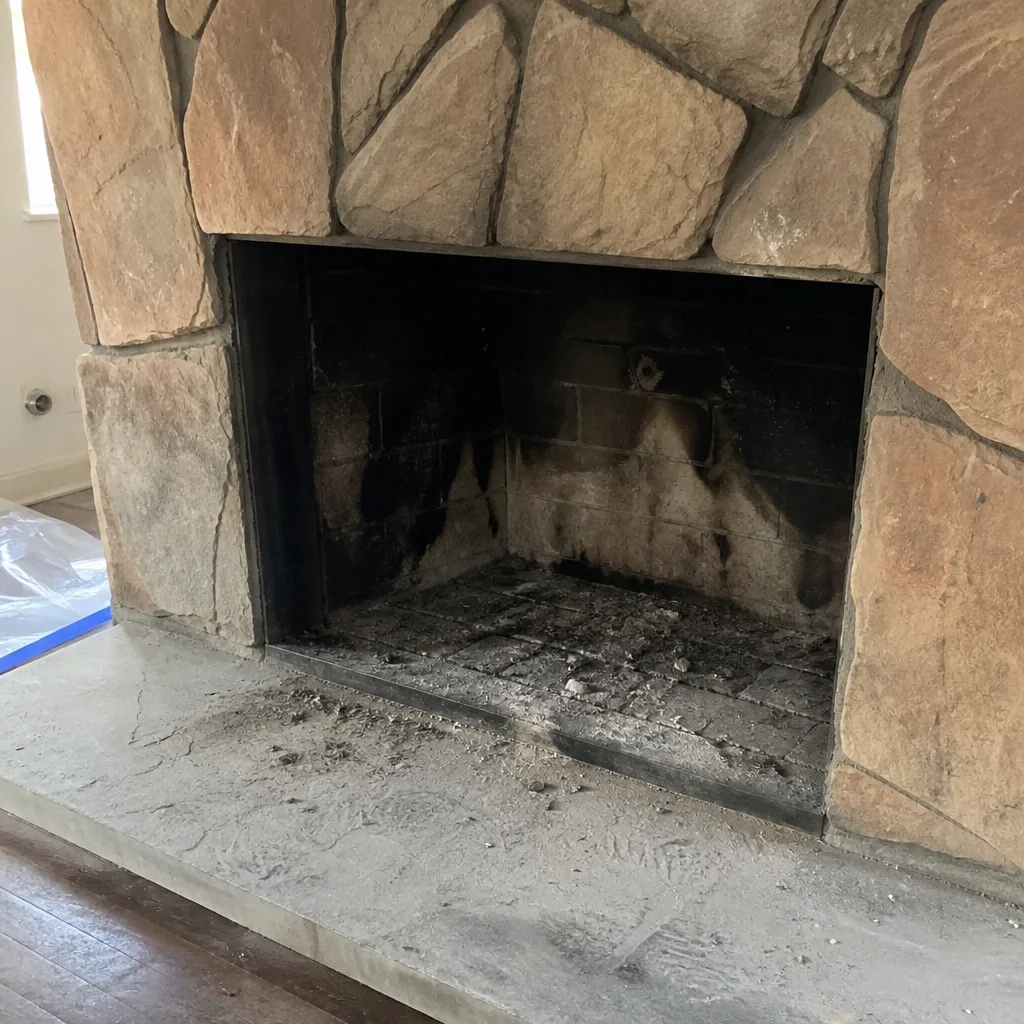 Before
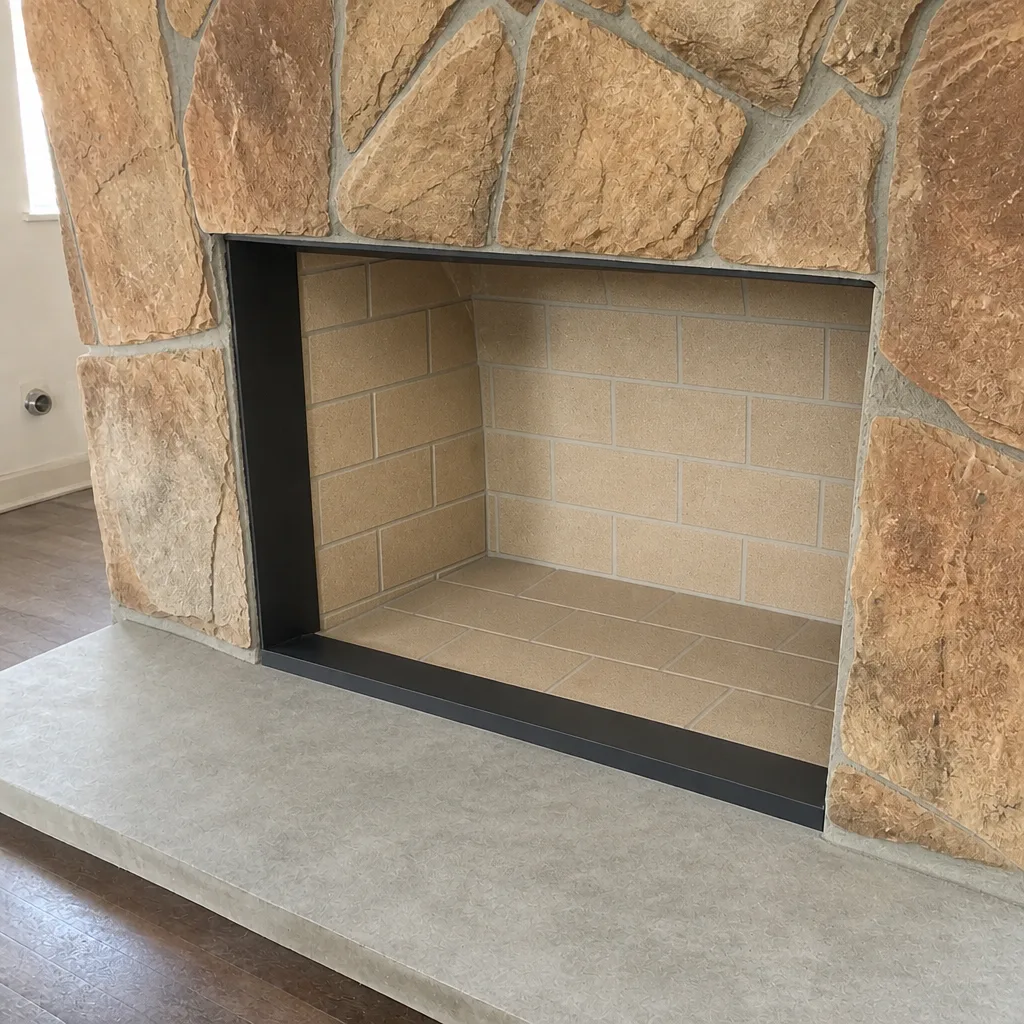 After
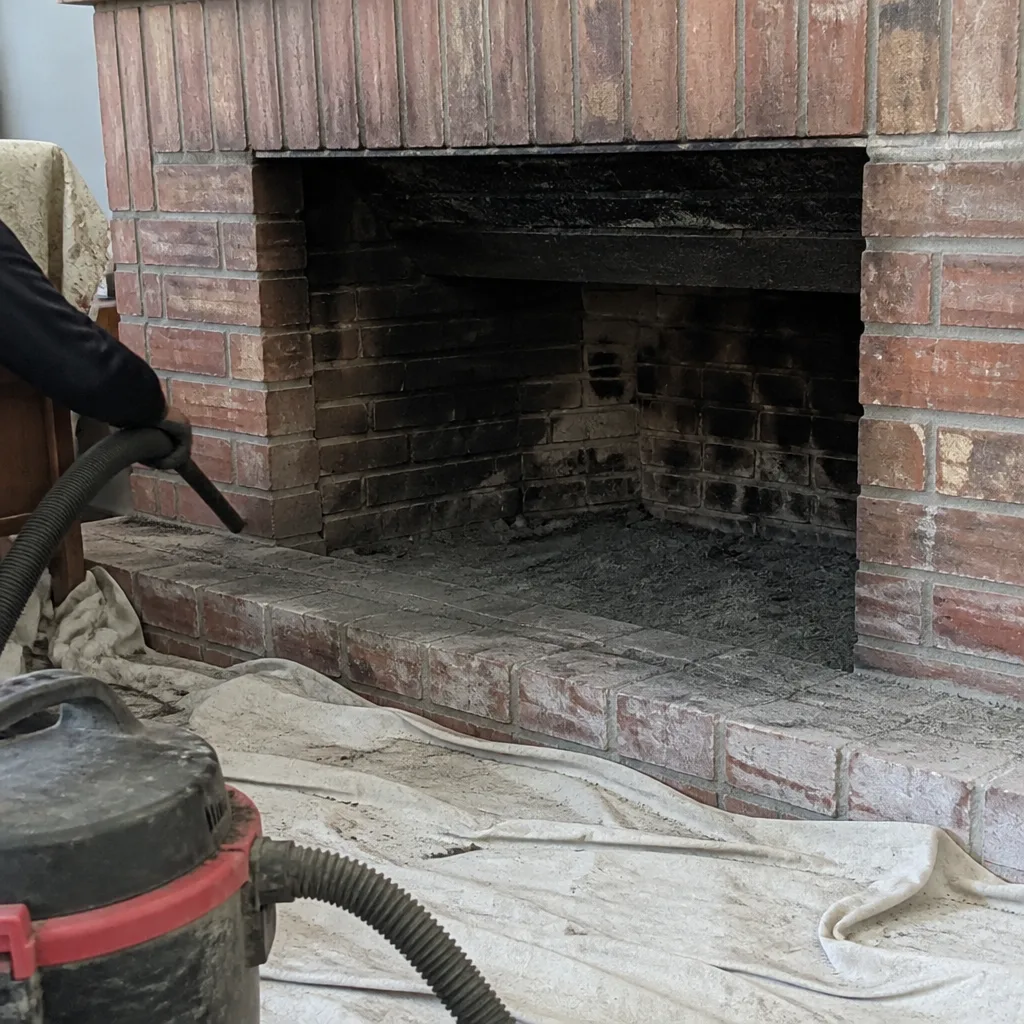 Before
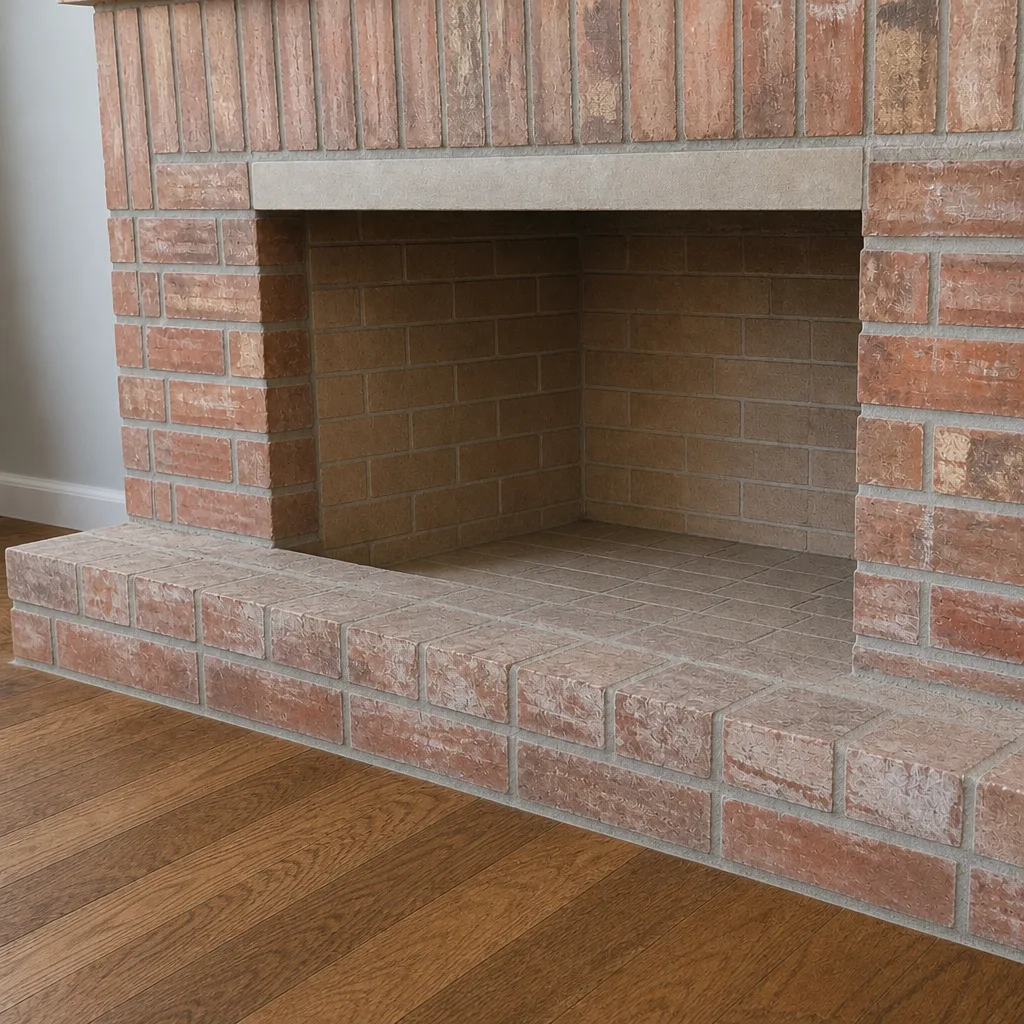 After
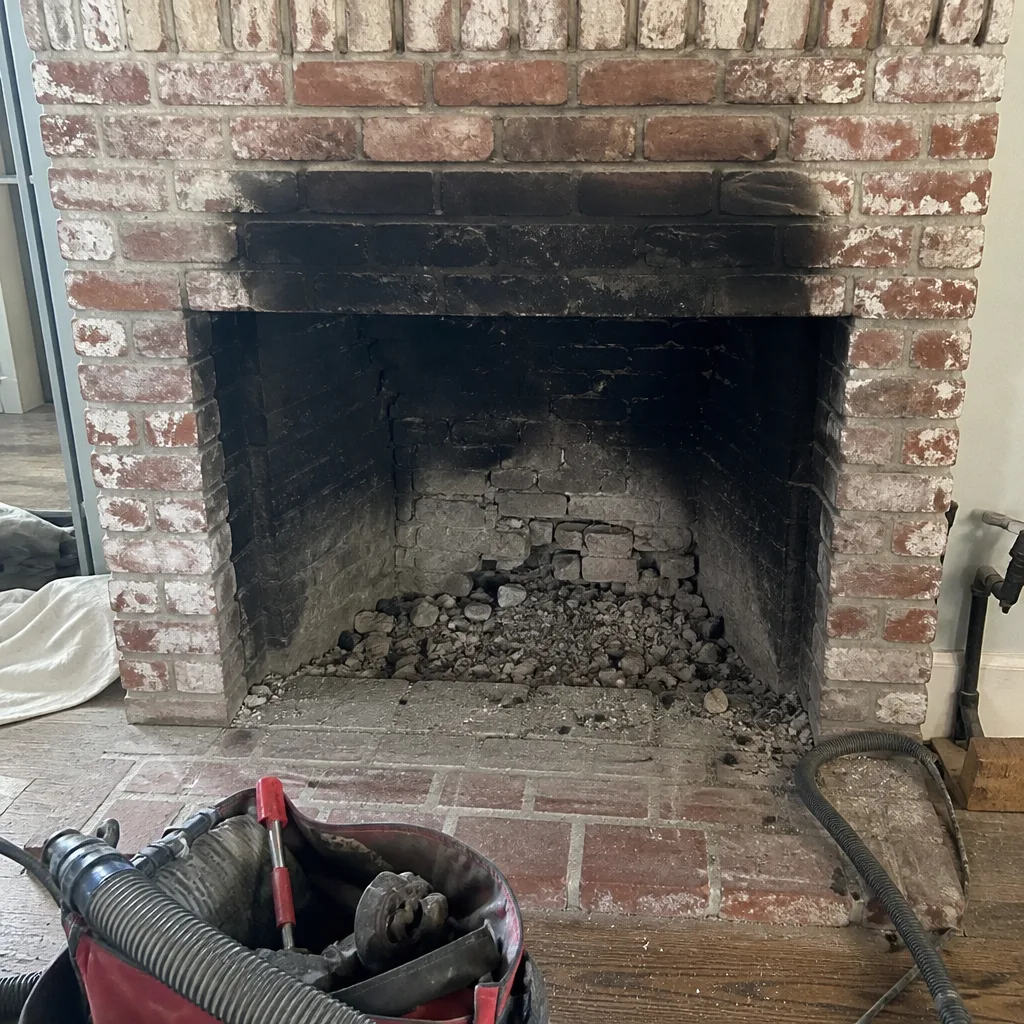 Before
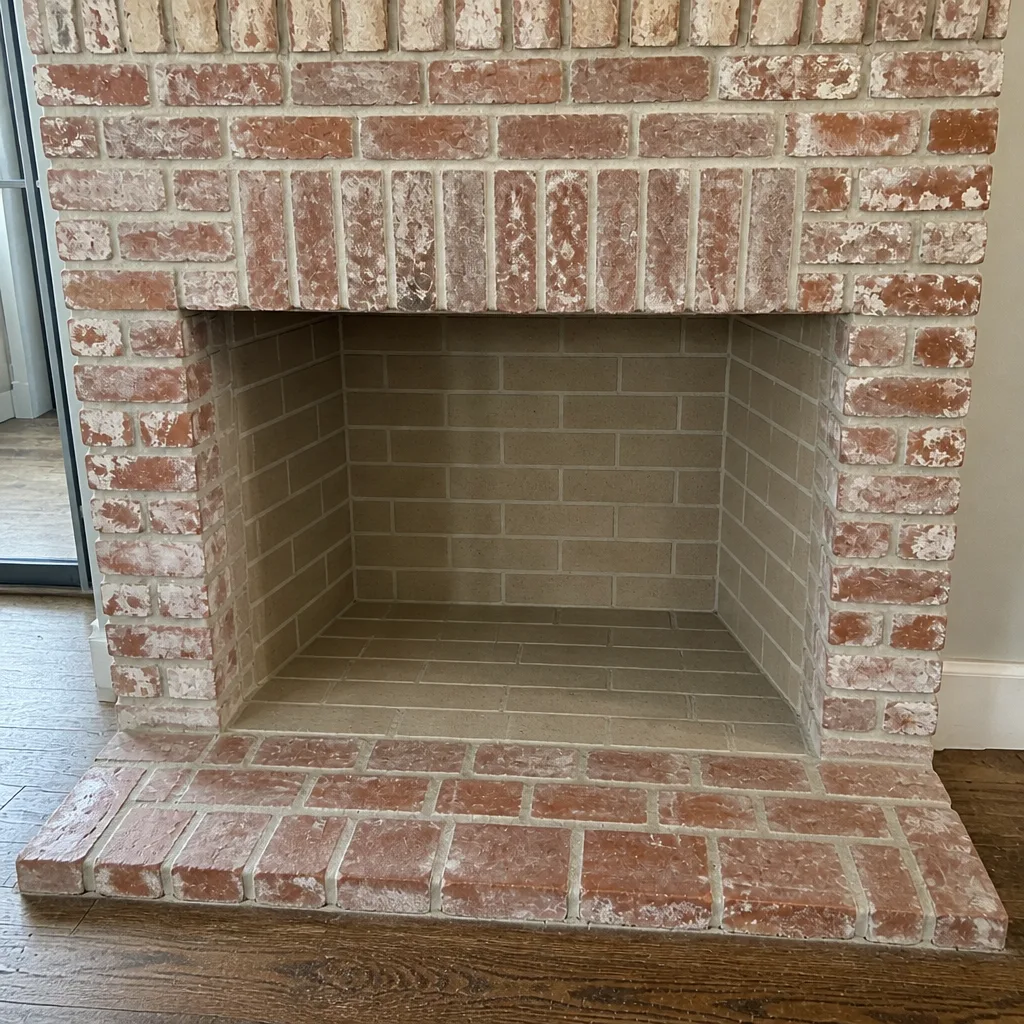 After