
Last updated November 4, 2026
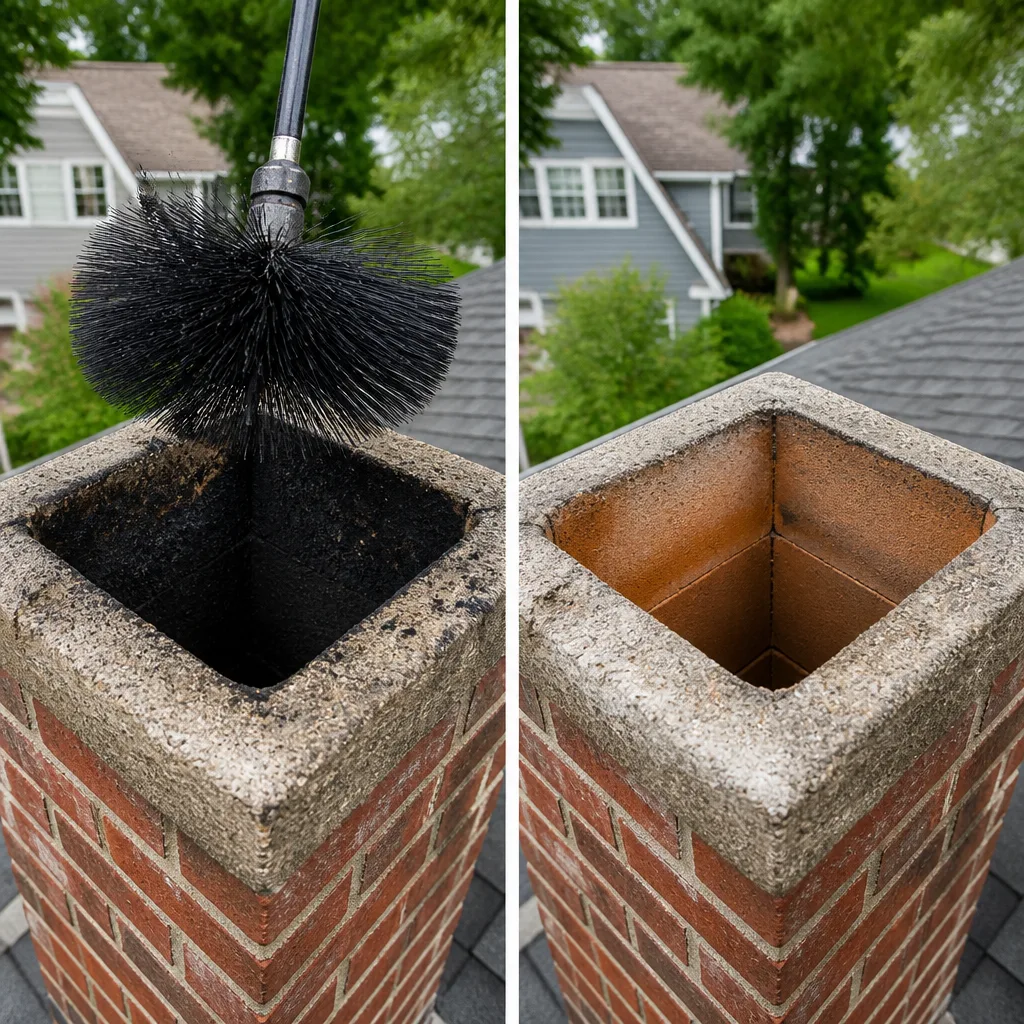 Sweep & inspection
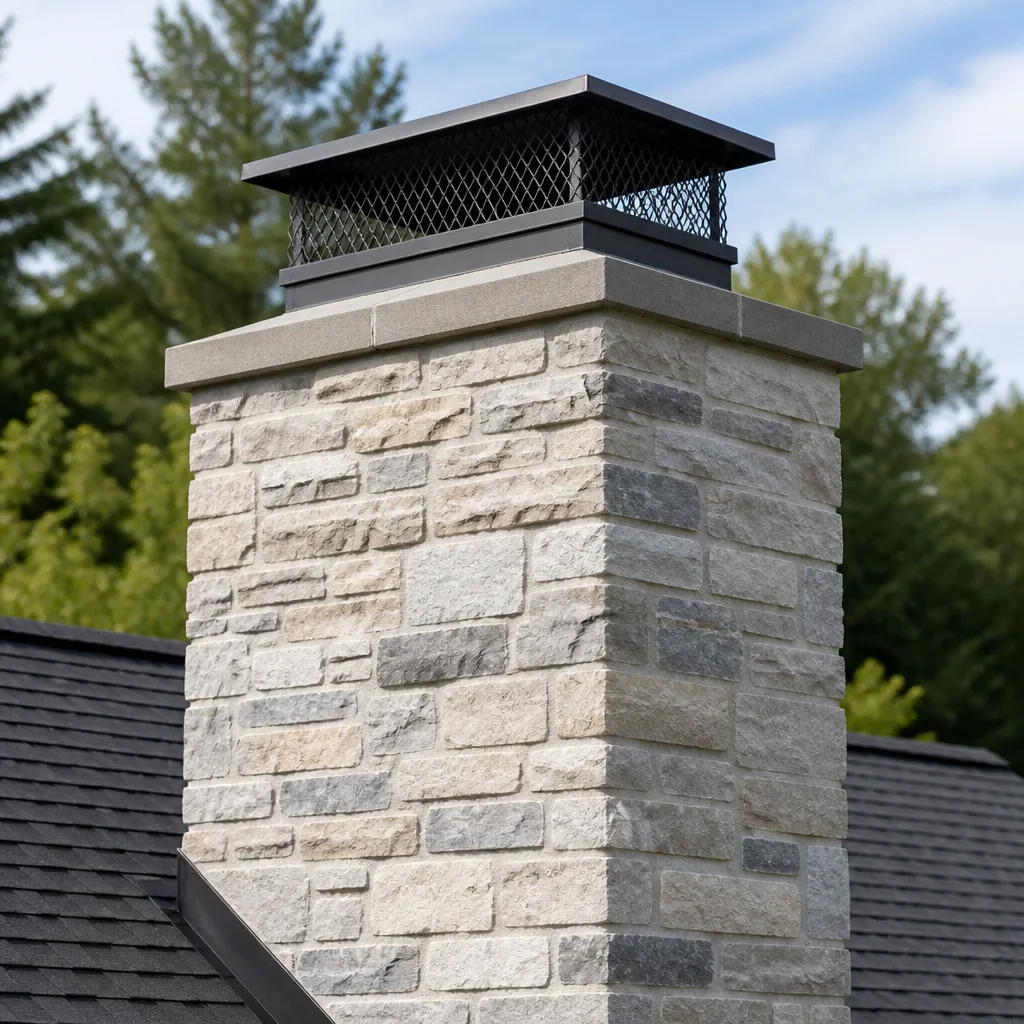 Caps & crowns
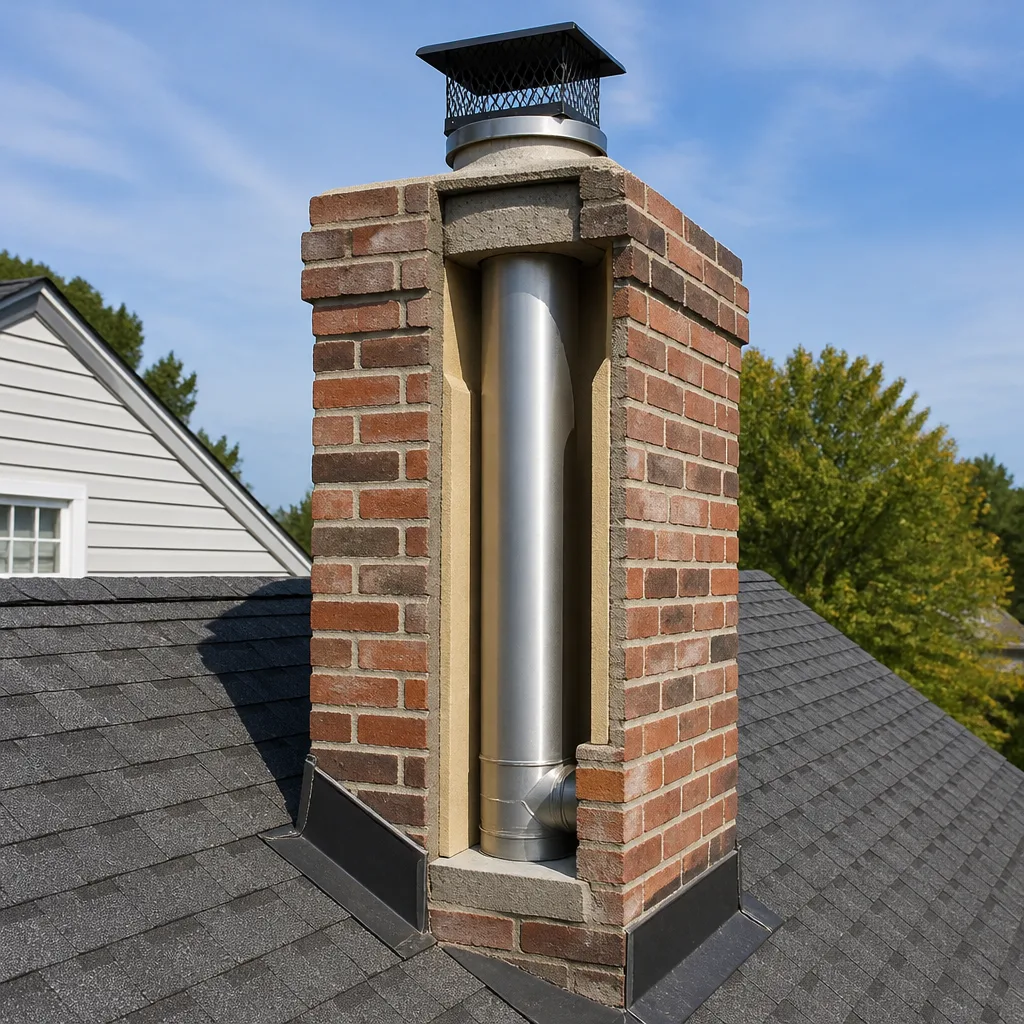 Flue relining
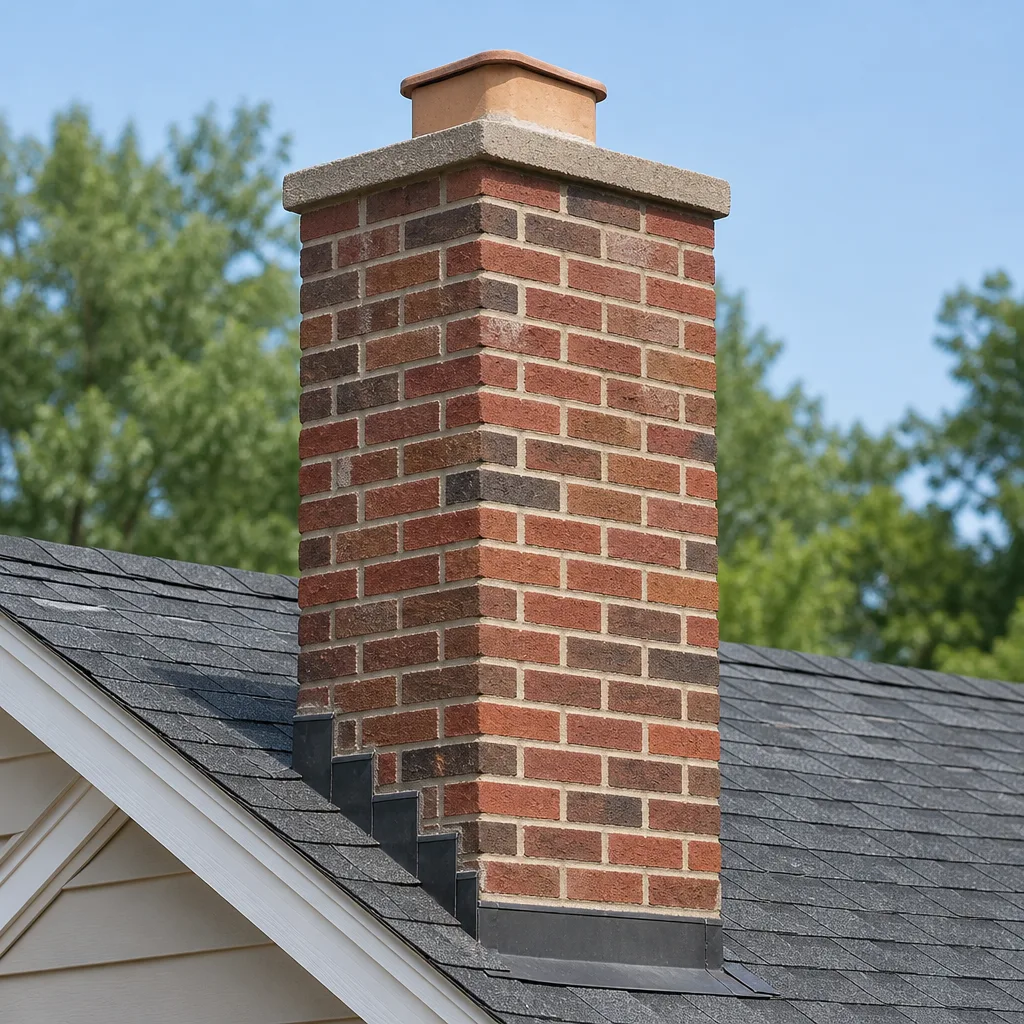 Masonry repair
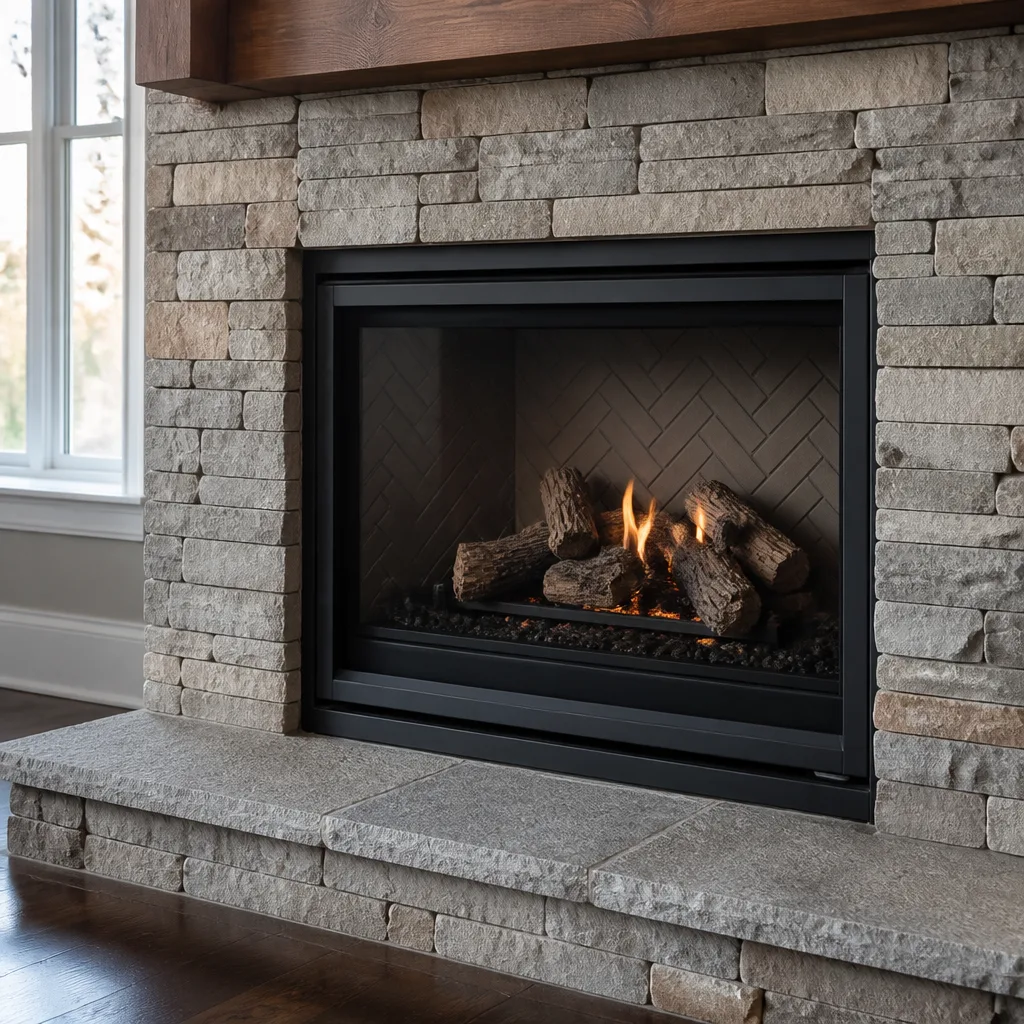 Gas fireplace service
Level 1 sweep and inspection to the NFPA 211 annual standard - flue, crown, cap, and flashing checked and photographed
Chimney sweep logs do not sweep chimneys. They loosen some creosote - which then falls where a brush and vacuum still have to collect it.
Chimney Cleaning Emergency Preparedness Guide for Eastvale Homes
A chimney fire rarely announces itself the way people expect. The image most Eastvale homeowners carry is a roaring, crackling blaze shooting flames out the top of the house. That does happen. But more often, a chimney fire starts as a slow, smoldering burn deep inside the flue, hidden behind brick and mortar, feeding on creosote deposits for hours while the household goes about its evening. You might hear a faint popping or a low rumble that sounds like a distant freight train. You might smell something acrid that doesn’t match the wood you’re burning. By the time visible flame appears, the flue has already sustained real damage. This guide explains what to watch for, what to do in the first minutes, and how to get the right help to your Eastvale home before a minor event turns into a structural repair.
Quick Answer
Emergency chimney preparedness in Eastvale means knowing the signs of a chimney fire before visible flame appears, shutting the fireplace down correctly the moment you suspect one, and having a pre-season inspection on record so you’re not making panic decisions later. If you hear a rumble like a train, see dense smoke backing into the room, or smell acrid tar burning, close the damper if you can do so safely, evacuate the room, and call 911 first. After any chimney fire, code requires a professional inspection before the fireplace is used again. Call (866) 569-7136 to book a chimney sweep and get the flue checked before burning season starts.
Styles & brands we work with
- Sweep & inspection
- Caps & crowns
- Flue relining
- Masonry repair
- Gas fireplace service
Table of Contents
- How to Identify a Chimney Fire by Sound, Smell, and Sight
- Immediate Shutdown: What to Do in the First 10 Minutes
- Slow-Burn vs. Fast-Burn Fires: Why One Is Harder to Spot
- Post-Fire Protocol: Why a Level 2 Inspection Is Required
- Documenting a Chimney Event for an Insurance Claim
- Pre-Season Readiness: The Real Emergency Plan
- Common Mistakes to Avoid
- When to Call a Professional
- Frequently Asked Questions
How to Identify a Chimney Fire by Sound, Smell, and Sight
A chimney fire gives you three main warning channels, and the experienced approach is to treat any one of them as reason to act. You do not need to see flame. In fact, by the time you see flame from outside the house, the event is already advanced. Here is what to listen for, smell, and look at around your Eastvale home.
Sound. A fast-burn chimney fire often produces a deep, continuous rumble or roar that homeowners compare to a freight train or a low-flying jet. This is the sound of a large volume of air being pulled through the flue at high speed. A slow-burn fire is quieter. You might hear popping, cracking, or a faint hissing. Some people describe it as the sound of a campfire, but coming from inside the wall. If you hear any of these and you have a fire going, take it seriously.
Smell. Burning creosote has a sharp, acrid, tar-like odor. It does not smell like wood smoke. If you notice a chemical or asphalt-like smell while the fireplace is lit, or even hours after the fire has gone out, that can indicate creosote smoldering inside the flue. In our experience in Eastvale, we hear this described as a smell that lingers in the room and does not clear with normal airflow.
Sight. Inside the house, look for dense smoke pushing back into the room rather than drawing up the flue. Look for dark stains or soot appearing around the fireplace opening, the mantel, or nearby walls. Outside, check for flames or unusually heavy dark smoke coming from the chimney cap. With a slow-burn fire, you may only see a thin wisp or nothing at all while the fire smolders inside the flue. A warped or discolored chimney cap, or a rain cap with creosote dripping from it after an event, is a strong indicator that flue temperatures got extreme.
No single sign is definitive on its own. Wind, appliance draft, and the type of wood all affect what you see and hear. But two or more signs together are enough to justify shutting the fireplace down and calling for help.
Immediate Shutdown: What to Do in the First 10 Minutes
The window between noticing a problem and compounding the damage is short. What you do in the first ten minutes matters more than anything that happens later. Here are the steps, in order.
- Do not open the firebox doors. Opening the glass or screen gives the fire a fresh rush of oxygen. That is exactly what feeds a chimney fire. Keep the fireplace closed.
- Close the damper if you can reach the handle safely. This reduces the air supply to the flue. If the damper is already hot, or if reaching it puts your face near the firebox opening, skip this step and evacuate.
- Close any outside air intakes to the firebox if your fireplace has them. These are typically found near the hearth.
- Evacuate everyone from the room and close the door behind you. Do not stay to watch the fire. Do not go onto the roof.
- Call 911. Tell the dispatcher you suspect a chimney fire. Fire crews in Eastvale respond to these calls and know what to look for inside the walls and attic.
- Move people and pets away from the area near the chimney chase. If the fire has breached the flue, the wall around the chimney is the first place heat will travel.
- Do not attempt to put water down the chimney. The thermal shock can crack flue tiles instantly and send steam and embers into the living space.
Once the fire department has cleared the scene, do not relight the fireplace. The next call is to a chimney professional for a post-fire inspection. We answer 24/7 and can get your inspection scheduled with fast dispatch from 7am to 7pm, Sunday through Friday.
Slow-Burn vs. Fast-Burn Fires: Why One Is Harder to Spot
Chimney fires fall into two broad categories, and they behave very differently. A fast-burn fire is the one people picture: high flames, loud roar, visible smoke plume, intense heat. These are dangerous and impossible to miss. They often happen when creosote deposits are thick and dry, and they burn hot and fast through the flue.
A slow-burn fire is more insidious. It happens when creosote smolders at a lower temperature, sometimes for hours. There may be no visible flame at all. The flue tiles heat up gradually, and over time they can crack, spall, or separate. Molten creosote can drip down inside the flue and re-solidify as a hardened glaze that is even harder to remove. A homeowner in Eastvale can sit in the living room with a slow-burn fire happening inside the chimney and not know it until the smell becomes strong enough to notice or a neighbor spots smoke.
The damage from a slow-burn fire is no less real than a fast one. Cracked flue tiles mean exhaust gases, including carbon monoxide, have a path into the house. The chimney’s ability to contain heat is compromised. This is why we tell Eastvale homeowners that the absence of dramatic flames is not the same as the absence of a problem. An inspection with a camera is the only way to see what happened inside the flue.
Post-Fire Protocol: Why a Level 2 Inspection Is Required
After any chimney fire, no matter how minor it seemed, the fireplace must not be used again until a professional has inspected it. This is not a suggestion. It is the standard established by the National Fire Protection Association and it is what Eastvale building codes look to when a fireplace is involved in an event. A Level 2 inspection is specifically designed for post-fire situations.
A Level 2 inspection includes everything in a basic sweep, plus a video scan of the entire interior flue surface. The camera shows cracks, separations, spalled tiles, and gaps in mortar joints that cannot be seen from the firebox opening. It also includes a check of the accessible portions of the chimney exterior, the attic, and the crawlspace around the chimney chase. If the fire department answered the call, they may have already noted damage on the roof or around the chase. Your sweep needs to see inside the flue itself.
Skipping this step is how repeat fires happen. A homeowner sees a small chimney fire, assumes it burned itself out, and relights the fireplace a week later. The flue is already cracked, and the next fire now has a direct path for heat and gases into the house. In our work with Chimney Sweep Eastvale, we inspect every suspected fire event with a camera and give the homeowner a written report with photos. You should know exactly what the flue looks like before anyone touches it.
Documenting a Chimney Event for an Insurance Claim
Chimney fire claims get denied or short-paid more often than they should because the homeowner did not document the event properly. If you have had a chimney fire in Eastvale, start building a record from the moment the fire department leaves. Here is what to gather.
- Photos from every angle before anything is cleaned. Take pictures of the firebox, the damper, the chimney cap, the roof flashing, and any stains or soot inside the house. Do not wipe anything down yet.
- The fire department’s report number. Ask for a copy of the incident report or at least the report number. This is independent documentation that an event occurred.
- Your sweep’s written inspection report. A Level 2 inspection report with camera footage is the single most useful piece of evidence. It shows the condition of the flue and ties the damage to the event.
- Service records from previous sweeps. If you have records showing the chimney was cleaned and inspected before the event, include them. It demonstrates maintenance was not the issue.
- Permit history for any prior chimney work. If a liner was installed or the chimney was rebuilt, those permits show the system was up to standard.
Do not make repairs before documenting. An insurance adjuster cannot see damage that has already been repaired, and the claim will be harder to support. Our team provides written inspection reports and photo documentation as part of the service, which gives Eastvale homeowners a clear record to submit.
Pre-Season Readiness: The Real Emergency Plan
The most effective emergency plan for a chimney is the one that prevents the emergency from happening. In Eastvale, the best time to prepare is before burning season starts. That means late summer or early September, when temperatures are still warm and the fireplace has been dormant for months.
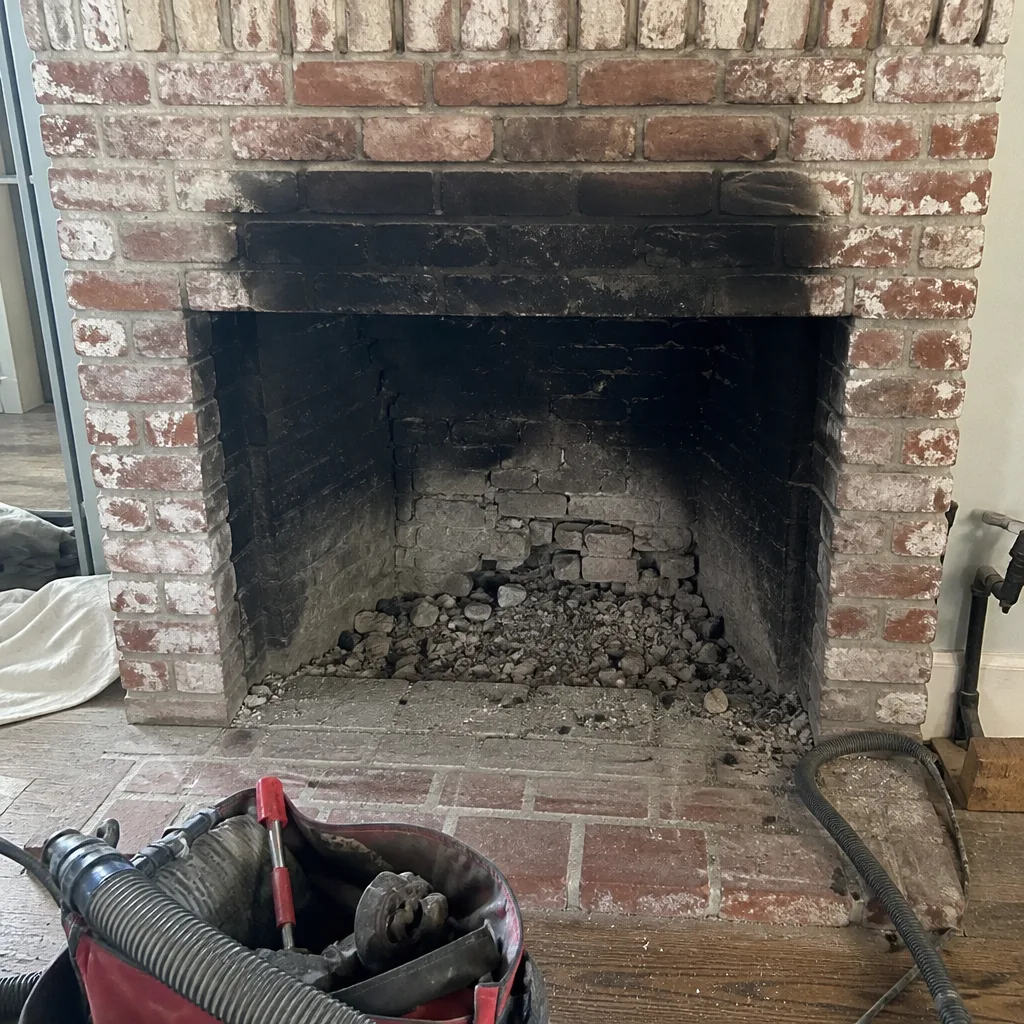
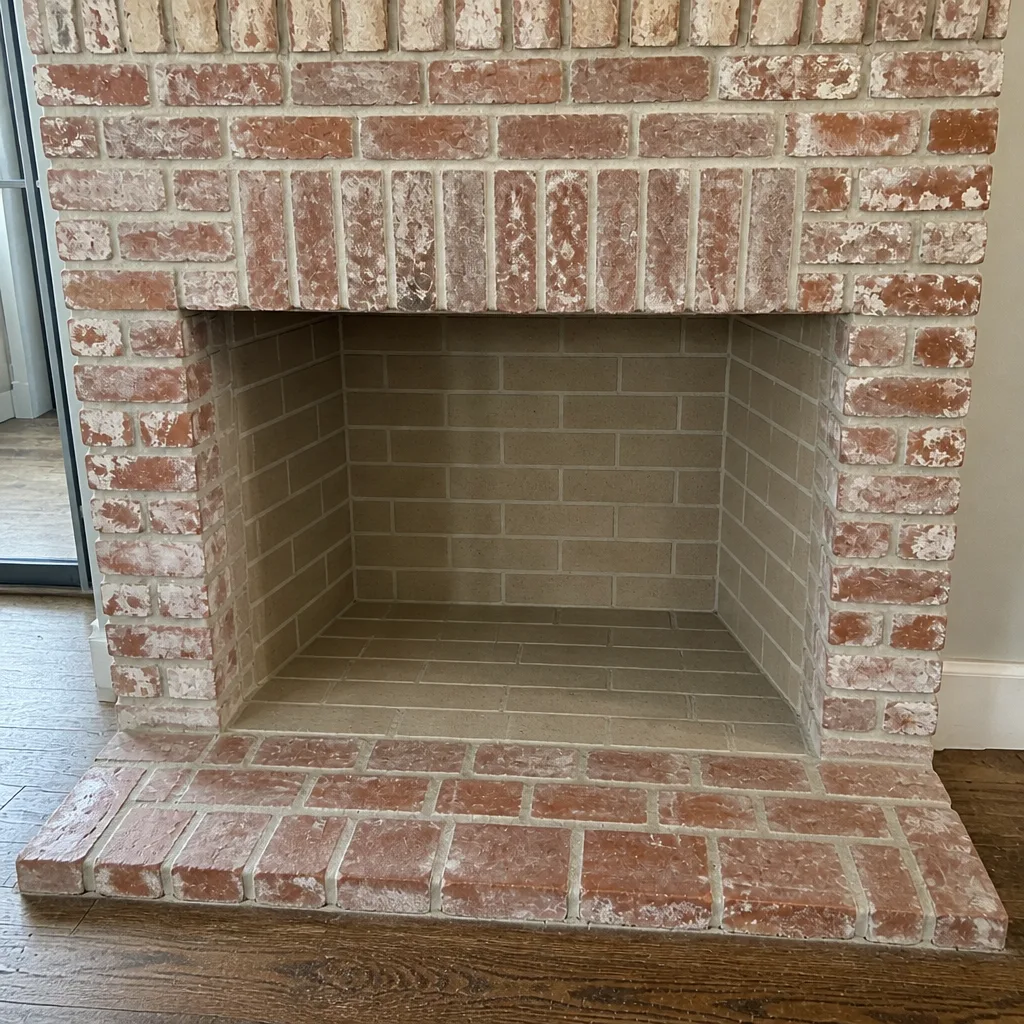
A pre-season chimney sweep removes the creosote that fuels chimney fires in the first place. Creosote is the residue left behind when wood smoke cools and condenses on the flue walls. It builds up fastest during shoulder-season fires when the flue is cold and the fire is not burning hot enough to carry the volatiles out. Eastvale’s climate makes this common: our winters are mild, so homeowners often burn small, low fires for ambiance rather than full, hot fires for heat. Those low fires are exactly the conditions that deposit the most creosote.
During a pre-season sweep, the technician removes the deposits and then runs a camera through the flue to check for cracks, blockages, and animal nests. Nests are a real issue in this area. Birds and squirrels find their way into uncapped chimneys during the summer and build nests that block the flue before the first fire of the season. A blocked flue is a carbon monoxide risk the first time the fireplace is lit.
Pair the chimney sweep with a dryer vent cleaning and the two biggest fire risks in the home are addressed in one visit. Dryer vents accumulate lint in the same way chimneys accumulate creosote, and the result is the same class of problem: a fuel source inside a vent that carries heat. One call covers both. We answer 24/7 and can get your visit on the schedule with fast dispatch from 7am to 7pm, Sunday through Friday.
Common Mistakes to Avoid
- Opening the firebox to see what is happening. This adds oxygen and can turn a slow smolder into a fast fire in seconds. Keep the door closed until the fire department or a sweep arrives.
- Assuming no visible flame means no fire. Slow-burn creosote fires happen without flame. The smell and sound are the clues. If you suspect one, treat it as a fire.
- Relighting the fireplace a few days later because it seems fine. Cracks in the flue are not visible from the living room. A Level 2 inspection with a camera is the minimum after any event.
- Thinking a chimney cap is optional. An uncapped chimney in Eastvale is an open invitation for birds, squirrels, and debris. A blocked flue becomes an emergency the first time you light a fire.
- Burning unseasoned wood to save money. Wet wood burns cooler and produces more smoke, which means more creosote. The savings disappear the first time you need a sweep sooner than expected.
- Using the fireplace as an incinerator for trash, cardboard, or wrapping paper. These materials burn unpredictably and can send burning particles up the flue. They also produce chemical residues that accelerate creosote buildup.
- Dealing with multiple vendors for chimney and dryer vent work. Splitting the work between a chimney company and a vent company means two schedules, two visits, and two sets of eyes on different parts of the same fire-safety picture. One call covers both.
When to Call a Professional
Call a chimney professional any time you suspect a chimney fire, smell acrid tar after a fire, see soot stains appearing inside the house, or find debris falling into the firebox. Call before burning season if the chimney has not been swept in the past year. Call if an animal has nested in the chimney or the cap is damaged. Call if the dryer vent flap is not opening or the dryer is taking longer than it used to. None of these conditions improve on their own, and most get more expensive the longer they sit. Chimney Sweep Eastvale offers free estimates in Eastvale. Call (866) 569-7136. We answer 24/7. Fast dispatch from 7am to 7pm, Sunday through Friday.
Frequently Asked Questions
A chimney fire often presents as a deep rumbling sound like a train, an acrid tar-like smell that does not match the wood, or dense smoke backing into the room instead of drawing up the flue. If you notice two or more of these signs with a fire burning, shut down the fireplace and call 911.
Close the damper if you can do so without putting your face near the firebox, evacuate everyone from the room, and call 911 from outside the house. Do not open the firebox doors and do not put water on the fire. The responding crew will assess whether the fire has spread.
No. After any chimney fire, the flue must be inspected by a professional before the fireplace is used again. A Level 2 inspection with a video camera is the standard. It reveals cracks in the flue tiles that are invisible from the firebox and that would make the next fire dangerous.
Once a year is the standard for a wood-burning fireplace that sees regular use during the burning season. If you burn often, burn unseasoned wood, or notice a strong smell after fires, you may need it more often. A pre-season sweep in late summer or early September keeps the flue ready before the first cold night.
A professional chimney sweep includes a visual inspection of the accessible portions of the system. If there is reason to believe a fire has occurred, or if the home has changed hands, a Level 2 inspection with a camera is the right level of scrutiny. We show you what we found, with photos and plain language.
Both systems carry heat away from the house, and both accumulate fuel: creosote in the chimney, lint in the dryer vent. A blocked dryer vent is a fire risk the same way a creosote-heavy chimney is. Scheduling both in one visit saves a second appointment and covers the two most common preventable fire sources in an Eastvale home. Call (866) 569-7136 to book both.
The Bottom Line
Emergency preparedness for a chimney in Eastvale is not about fireproof bags and evacuation ladders. It is about knowing the quiet warning signs of a chimney fire, shutting the system down correctly in the first minutes, and having a clean, inspected flue before the season starts. Slow-burn fires do real damage without visible flame. Post-fire inspection is not optional, and documentation matters for insurance. The most useful step you can take right now is to schedule a pre-season sweep and camera inspection. It removes the fuel, finds the hidden problems, and gives you a baseline record. Call (866) 569-7136 for a free estimate. We answer 24/7. Fast dispatch from 7am to 7pm, Sunday through Friday.
Written by the team at Chimney Sweep Eastvale, serving Eastvale since 2016.
See the difference
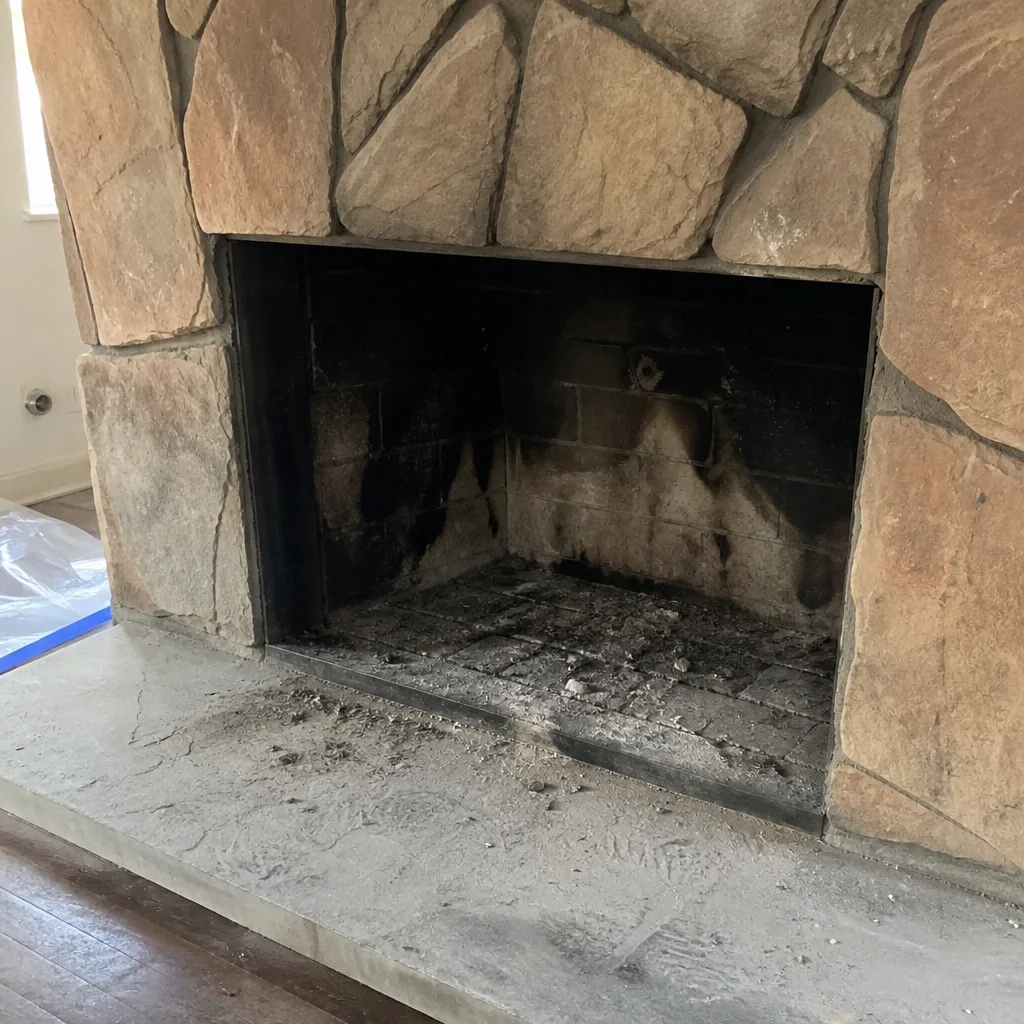 Before
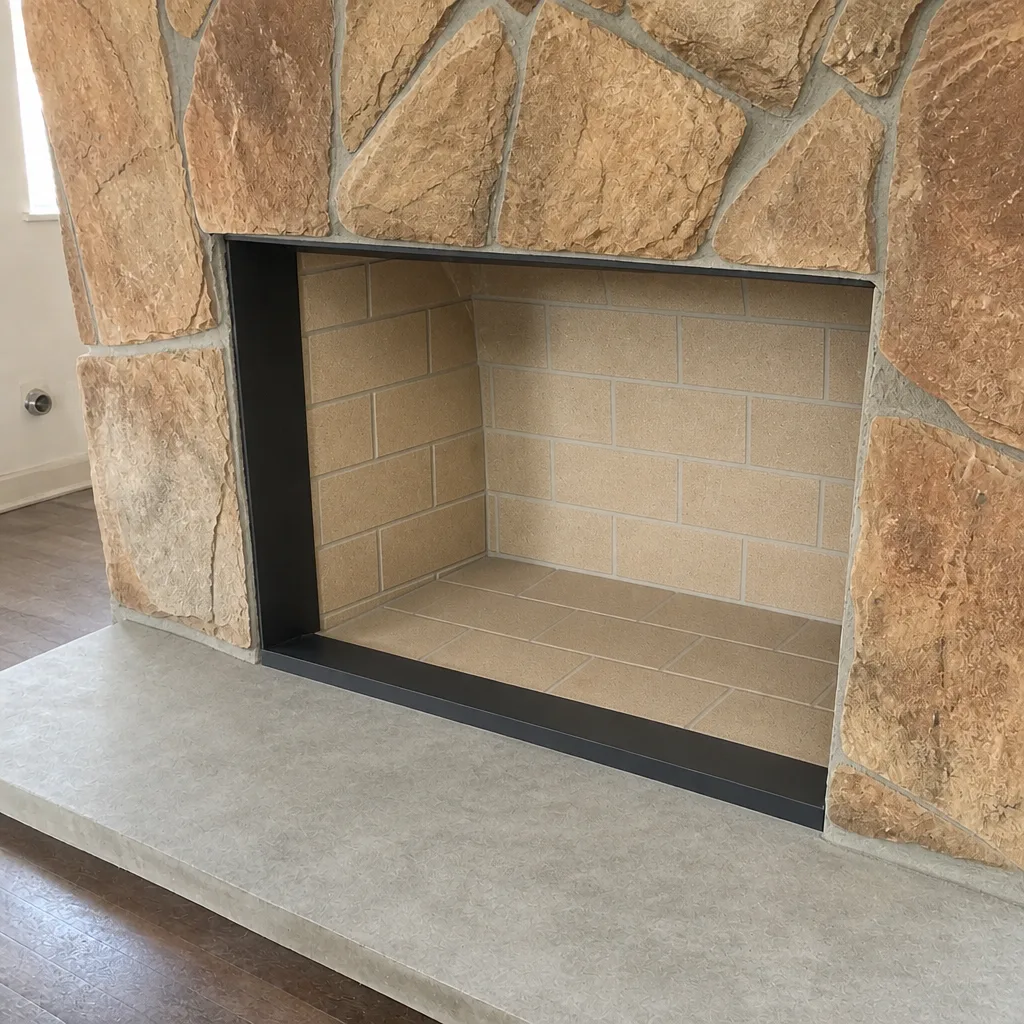 After
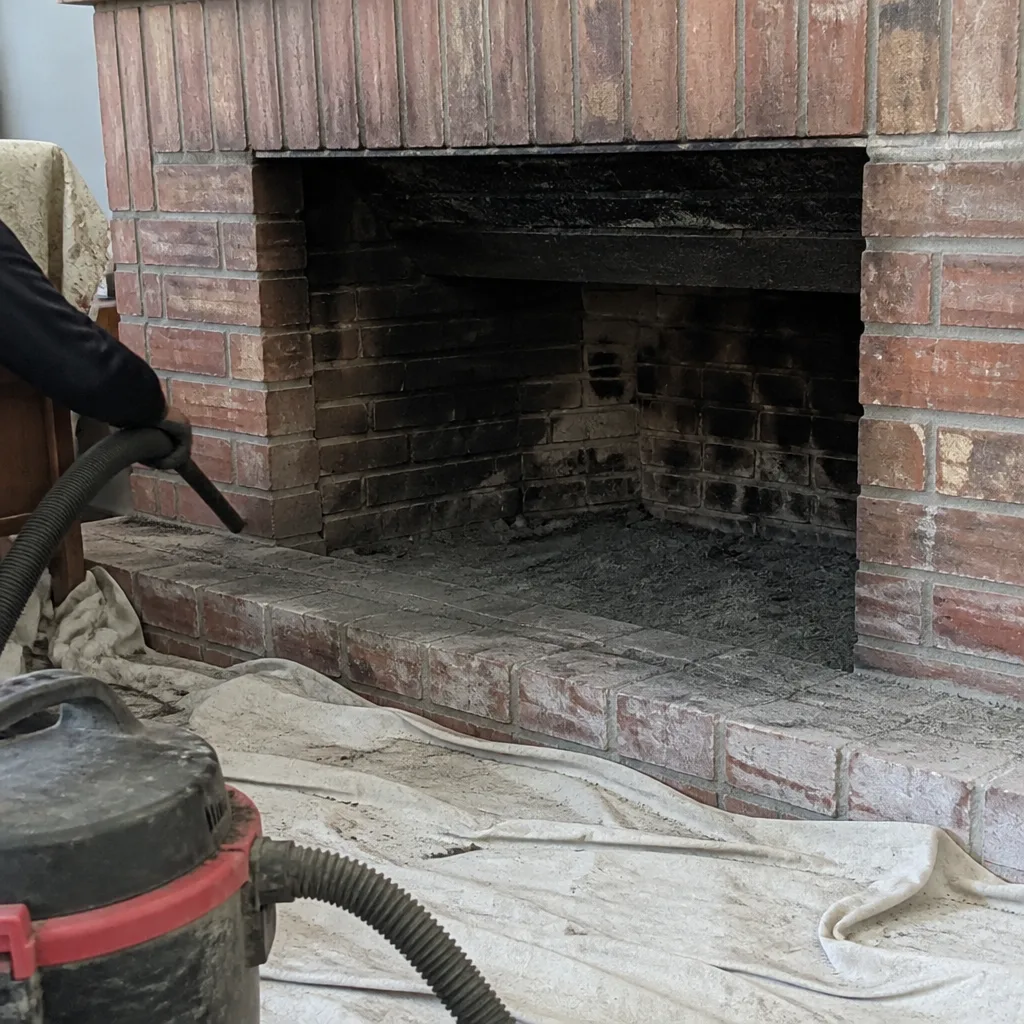 Before
 After
 Before
 After