
Last updated November 4, 2026
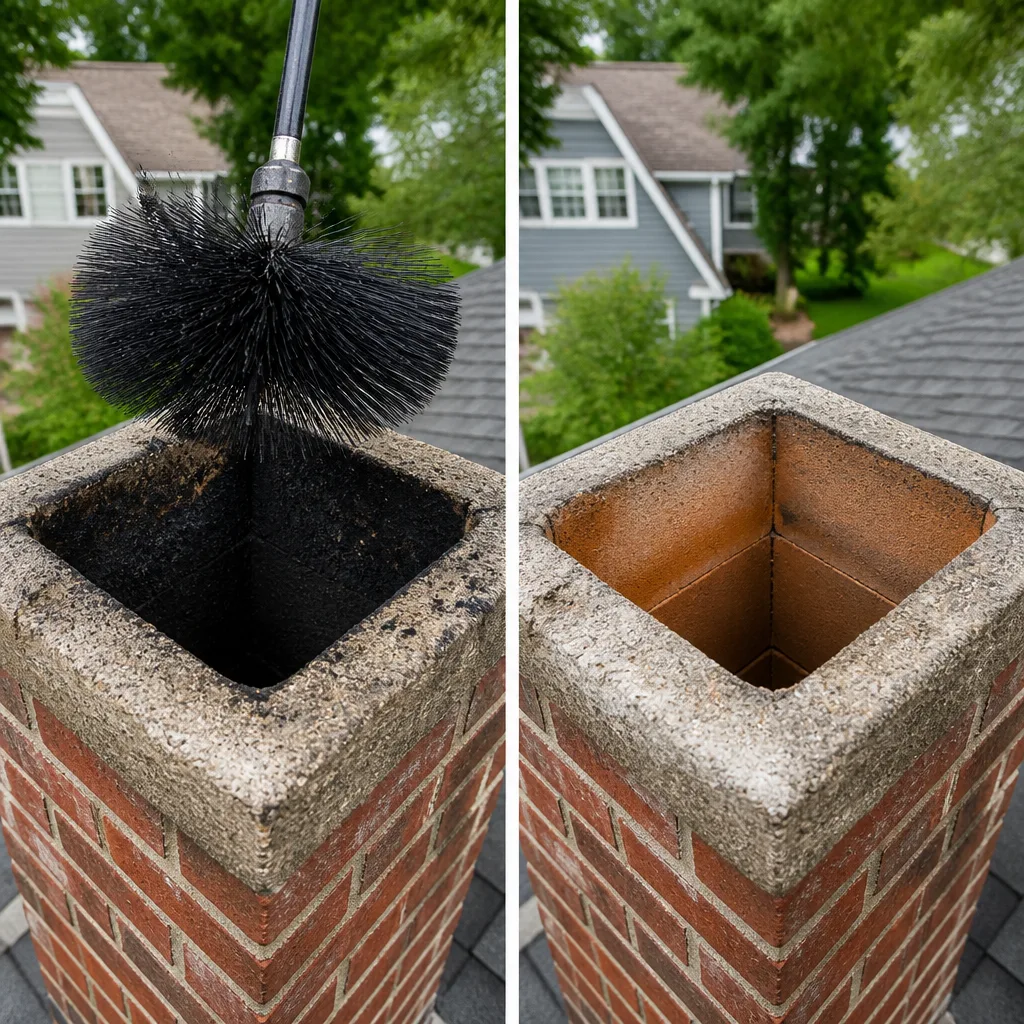 Sweep & inspection
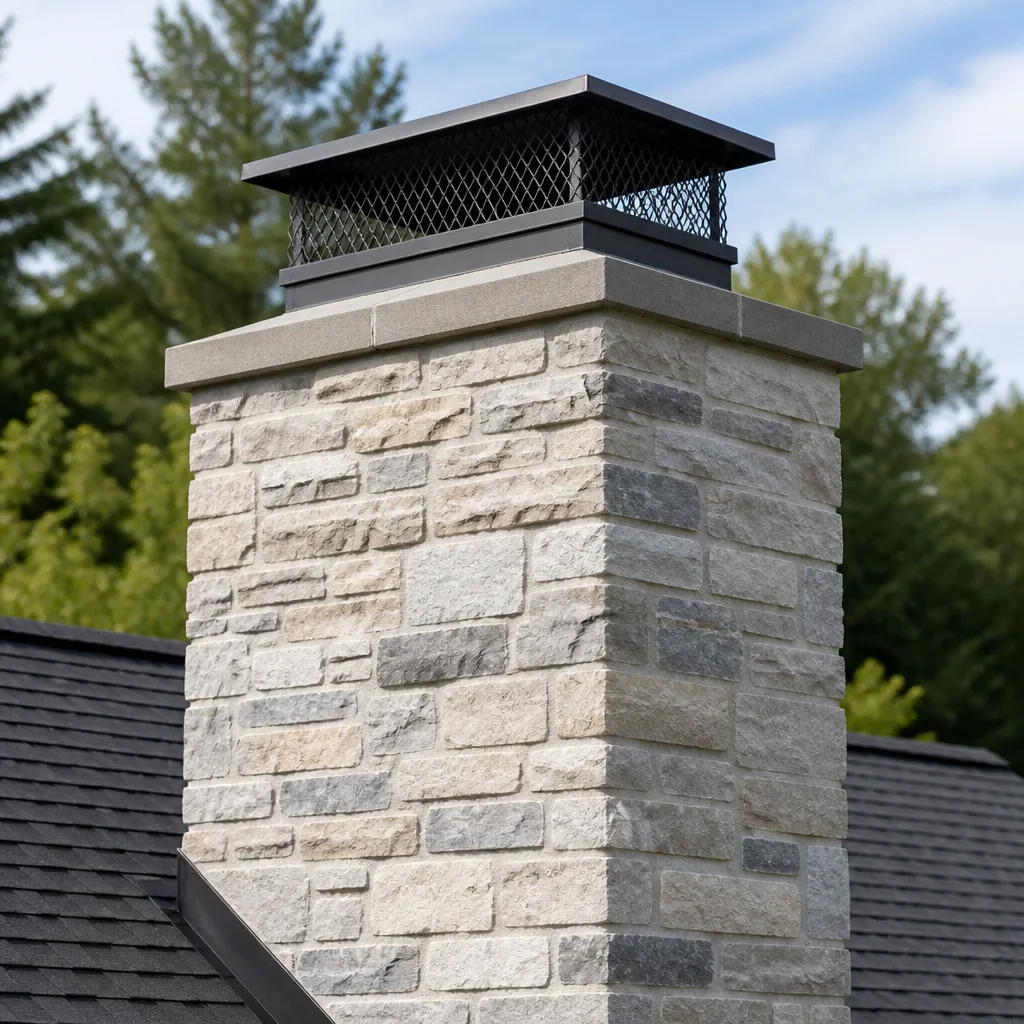 Caps & crowns
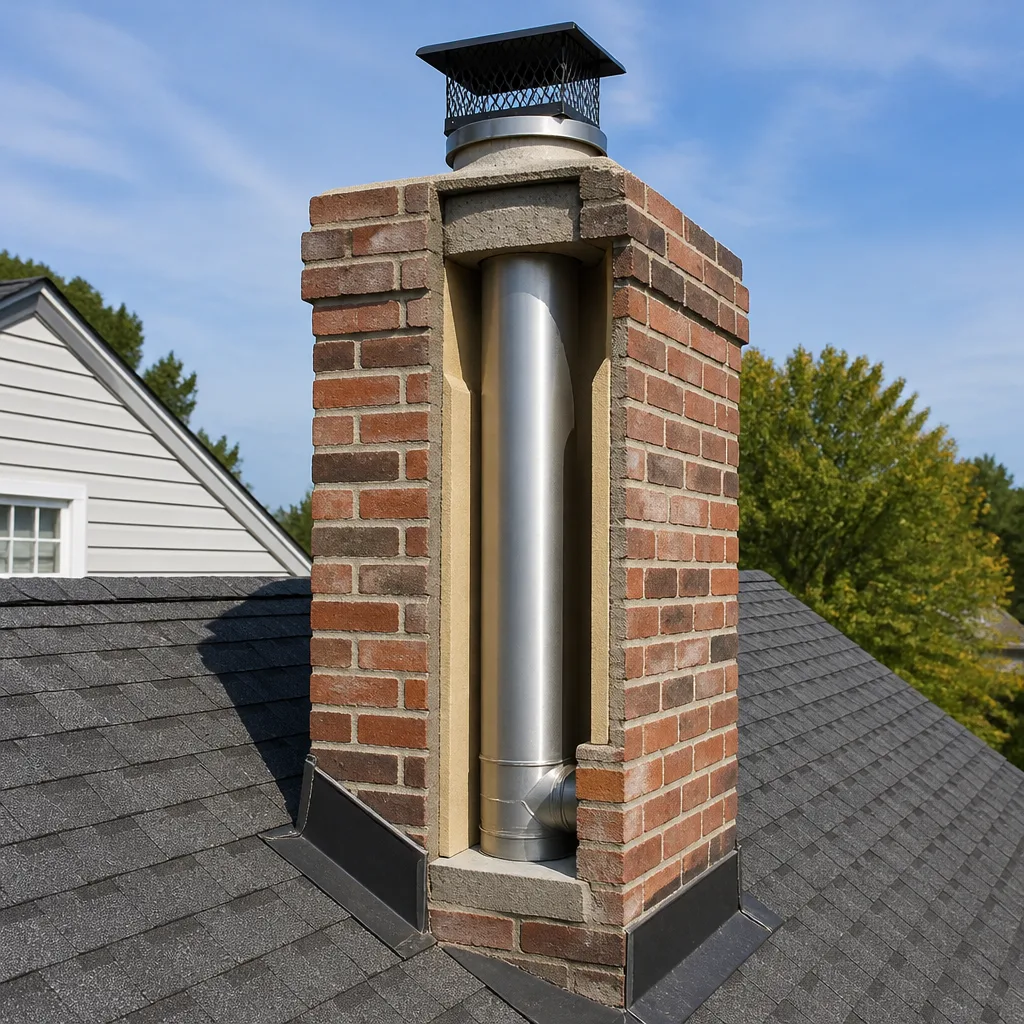 Flue relining
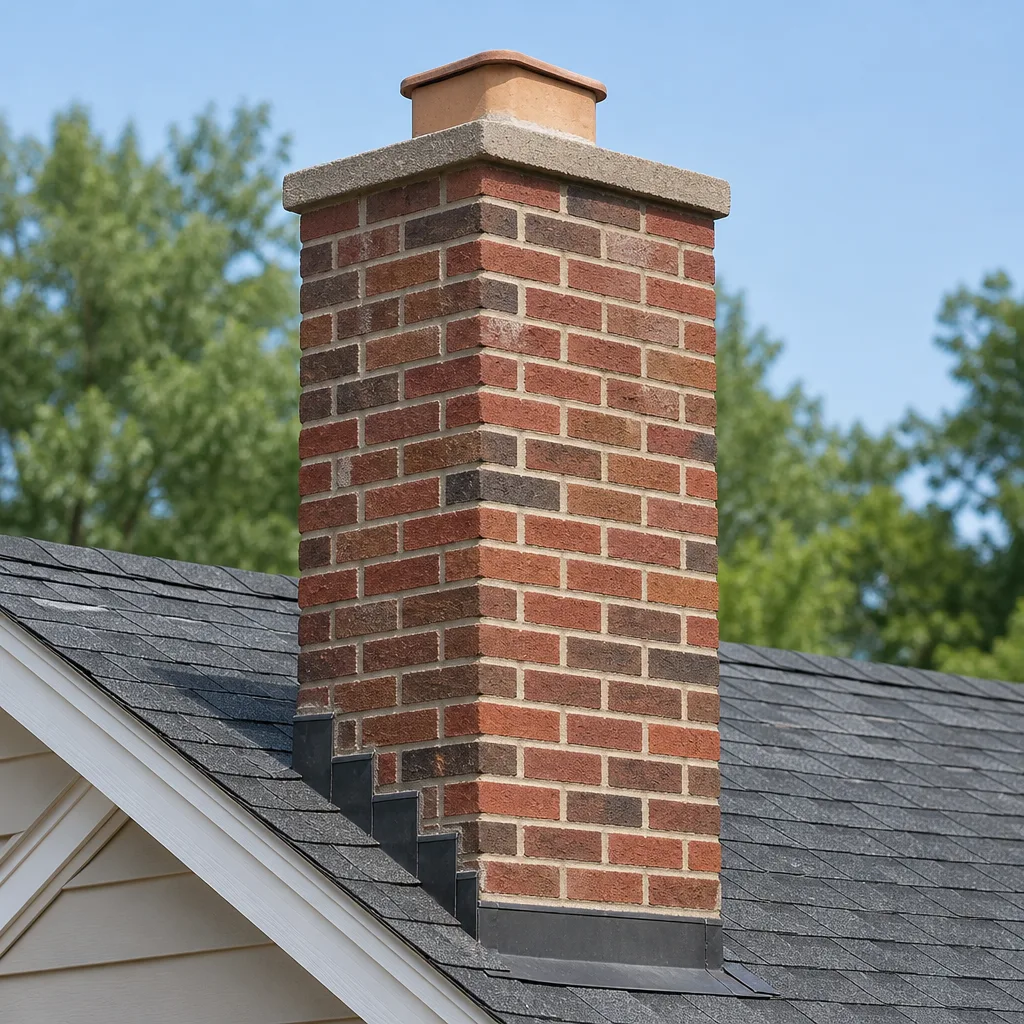 Masonry repair
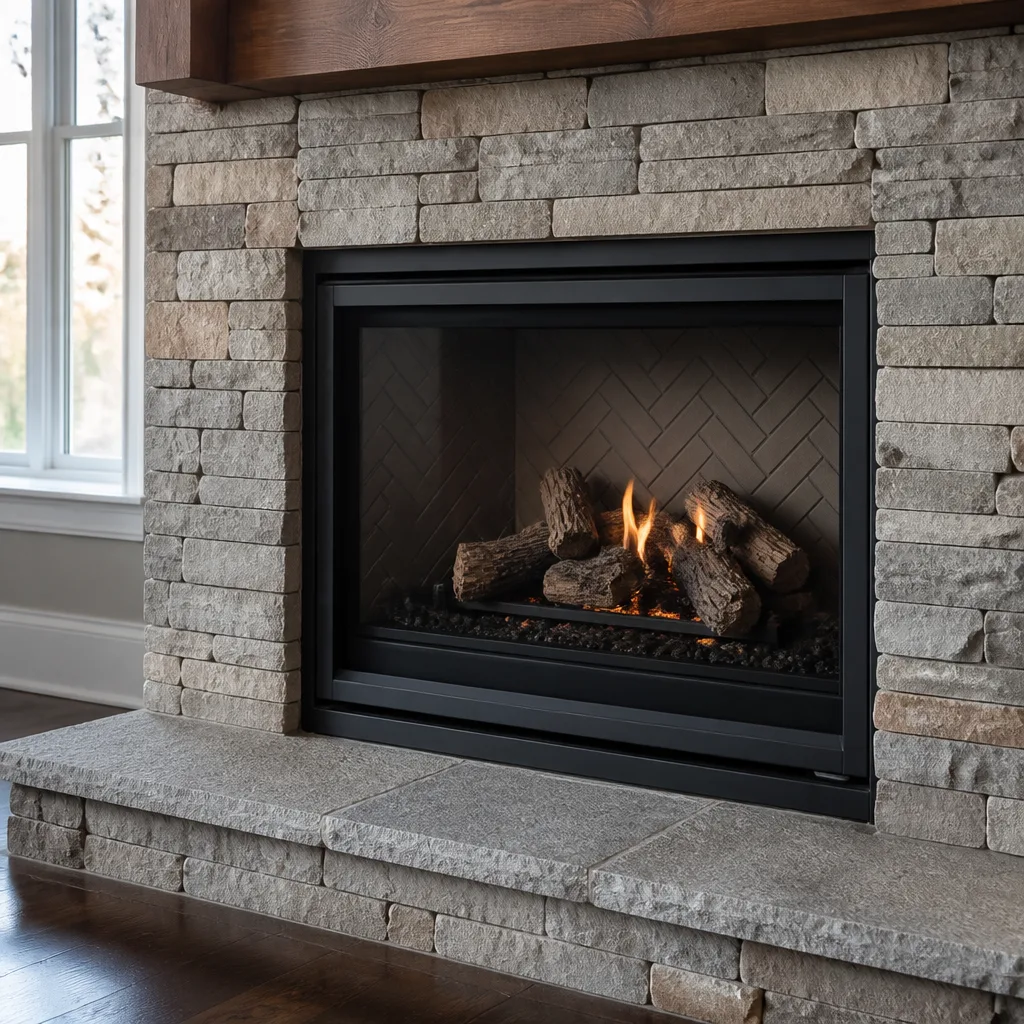 Gas fireplace service
Level 1 sweep and inspection to the NFPA 211 annual standard - flue, crown, cap, and flashing checked and photographed
Chimney sweep logs do not sweep chimneys. They loosen some creosote - which then falls where a brush and vacuum still have to collect it.
Chimney Cleaning Permits, Codes & Inspections in Eastvale, CA: What You Need to Know
Most homeowners assume a chimney cleaning is a simple, permit-free maintenance task, and they’re right. But the moment that same chimney needs a new liner, a rebuilt firebox, or a replacement cap, the rules change fast in Riverside County. This guide walks through exactly which chimney services trigger permit requirements in Eastvale, what California’s Title 24 energy code and NFPA 211 fire safety standard actually require, and how you can protect your home’s insurance coverage and resale value by keeping your paperwork straight. If you’ve ever wondered whether unpermitted chimney work could come back to haunt you, this is the page that answers it.
Quick Answer
Routine chimney sweeping and visual inspections in Eastvale do not require a permit. Structural work such as chimney relining, firebox repair, and certain cap replacements typically does require a permit through Riverside County’s building department. California’s Title 24 energy code and the NFPA 211 standard govern how that work must be performed, and unpermitted structural repairs can complicate homeowner’s insurance claims and home resale disclosures.
Styles & brands we work with
- Sweep & inspection
- Caps & crowns
- Flue relining
- Masonry repair
- Gas fireplace service
Table of Contents
- Which Chimney Services Need a Permit in Eastvale, CA
- How California Title 24 Affects Your Fireplace
- NFPA 211: The Standard Behind Every Code Inspection
- What a Riverside County Inspector Actually Checks
- How to Request and Store Permit Records for Resale
- What Happens When Previous Owners Skipped Permits
- What Chimney Permits and Inspections Cost in Eastvale
- Common Mistakes to Avoid
- When to Call a Professional
- Frequently Asked Questions
Which Chimney Services Need a Permit in Eastvale, CA
Eastvale falls under Riverside County jurisdiction for building permits. That means the same permit rules apply whether you live near the Eastvale Gateway, in the neighborhoods around Harada Heritage Park, or in the newer developments off Hamner Avenue. The county divides chimney work into two categories: maintenance that is permit-exempt and structural modification that is not.
Here is the practical breakdown we use with our own customers:
- Chimney sweeping: No permit required. This is routine maintenance, the same as changing your furnace filter. A professional chimney sweep removes creosote and soot without altering any structural component.
- Visual inspection: No permit required. Whether it is a Level 1 check during an annual sweep or a more detailed Level 2 inspection with a camera, the county does not treat inspection as construction.
- Dryer vent cleaning: No permit required. Dryer vent cleaning is a mechanical cleaning service, not a structural modification.
- Chimney cap replacement: Usually no permit required if the cap is a like-for-like swap. A straightforward replacement of a damaged cap with one that fits the existing flue does not change the system’s design. However, if the cap changes the flue’s draft characteristics or requires modifying the crown, check with the building department first.
- Chimney relining: Permit required. Installing a new liner – whether a DuraFlex flexible liner system or another code-compliant product – changes the flue’s geometry and material. Riverside County treats this as structural work.
- Firebox repair or rebuild: Permit required. Any reconstruction of the firebox, replacement of firebrick that extends beyond surface repair, or changes to the smoke chamber involves structural modification.
- Flue tile resurfacing with HeatShield: Permit considerations apply. While HeatShield is a recognized resurfacing compound that can restore deteriorated flue tile without full liner replacement, substantial application that changes the flue’s dimensions or condition may trigger permit review. We always advise confirming with the county before beginning this work.
The distinction matters more than many homeowners realize. Cleaning and inspection are about maintaining what exists. Relining, rebuilding, and resurfacing are about changing it. Riverside County draws the permit line there for a reason: altered systems need verification that they meet current fire safety and draft standards.
How California Title 24 Affects Your Fireplace
California’s Title 24 is best known as an energy code, and that is exactly why it intersects with your fireplace in ways that surprise most Eastvale homeowners. Title 24 Part 6 sets energy efficiency requirements for buildings, including requirements that apply to existing fireplaces when certain work is performed.
For a straightforward chimney sweep, Title 24 does not change anything. Sweeping removes combustion byproducts; it does not alter the system’s energy performance. But when structural work happens – relining, firebox rebuild, or significant repair – the inspector will look at whether the fireplace meets current damper requirements.
Here is what that means in practice:
- Damper operation: Existing fireplaces must have a functioning damper that closes properly when the fireplace is not in use. An open damper is a direct path for conditioned air to escape your Eastvale home during summer, and Title 24 treats that as an energy compliance issue on permitted work.
- Gas log conversions: If you have a gas log set installed in a wood-burning fireplace, Title 24 requirements around the damper and gas shutoff may apply. The county wants to see that the system does not leak conditioned air when idle.
- New fireplace installations: If you are adding a fireplace where one did not exist, much stricter Title 24 requirements apply, including specific combustion air and damper sealing standards. This is not something to attempt without professional guidance.
The practical point is this: when you pull a permit for chimney structural work in Eastvale, the inspector is not only looking at fire safety. They are also looking at energy compliance. A contractor who understands both – who knows that a relining job has to leave the damper functioning properly, not just leave the flue safe – saves you from a failed inspection and a second permit visit.
NFPA 211: The Standard Behind Every Code Inspection
When a Riverside County inspector evaluates chimney work, they are not working from a county-specific rulebook alone. They are applying NFPA 211, the National Fire Protection Association’s standard for chimneys, fireplaces, vents, and solid fuel-burning appliances. This is the technical document that California inspectors and insurance adjusters both reference.
Understanding NFPA 211 at a basic level helps you know what an inspector is actually looking for:
- Clearances: NFPA 211 specifies minimum distances between a fireplace or chimney and combustible building materials. If structural work reduces that clearance – for example, if a firebox rebuild brings brick closer to a stud wall – the inspector will flag it.
- Flue sizing: The flue must be sized correctly for the appliance it serves. A liner that is too small creates draft problems; a liner that is too large allows creosote to build up faster. Permitted relining work must demonstrate proper sizing.
- Creosote thresholds: NFPA 211 tells sweeps and inspectors when creosote buildup reaches a dangerous level. Glazed creosote is the most hazardous form, and the standard treats it as a condition requiring immediate professional attention.
- Inspection levels: The standard defines three inspection levels. Level 1 is routine annual inspection during a sweep. Level 2 is required when a property changes hands or when a system has been altered. Level 3 is invasive, used when a hidden hazard is suspected and cannot be confirmed without removing building components.
For Eastvale homeowners, the key takeaway is that NFPA 211 is not optional guidance. It is the benchmark against which your chimney work is judged, whether by a county inspector on a permitted job or by an insurance adjuster reviewing a claim.
What a Riverside County Inspector Actually Checks
If you have never been through a chimney permit inspection, the process can feel opaque. Here is what a Riverside County building inspector typically reviews during a chimney rough-in or final inspection:
- Permit documentation: The inspector verifies that the work being inspected matches the scope described on the permit. If you pulled a permit for a liner replacement but the firebox was also rebuilt, expect questions.
- Material compliance: The inspector checks that the liner, firebrick, mortar, and cap materials meet current code. Contractor-grade products like DuraFlex liner systems are typically specified precisely because they are built to pass this review.
- Draft and ventilation: The inspector evaluates whether the chimney will vent properly. This includes checking the flue size, the connection to the appliance, and the terminal height above the roof line.
- Clearance verification: The inspector confirms that required clearances between the chimney system and combustible materials are met throughout the flue run.
- Damper operation: For permitted work, the inspector checks that the damper opens and closes fully and seats properly when closed, consistent with Title 24 requirements.
- Cap and crown condition: If the permitted work includes a new cap or crown repair, the inspector looks at whether the installation is weathertight and properly secured.
Most failed inspections in our experience come down to two things: scope mismatch, where the work performed exceeded what the permit described, and damper issues, where a relining job left the damper not fully functional. A contractor who has done permitted chimney work in Eastvale should know both pitfalls and design the job to avoid them.
How to Request and Store Permit Records for Resale
When you sell a home in Eastvale, California law requires you to disclose material facts about the property, including information about work performed and whether permits were obtained. Chimney work falls under this umbrella, and the absence of a permit for structural repairs can become a problem at the resale table.
Here is how to keep your records clean:
- Request permit records from Riverside County: The county’s building department maintains permit records. You can request copies for your address, which will show any permitted chimney work on file. If prior owners pulled permits, this is where you will find them.
- Keep your own file: For any chimney work done while you own the home, keep a folder with the permit number, the inspection sign-off, the contractor’s invoice, and any photos of the work. This is the package a buyer’s inspector will want to see.
- Document permit-exempt work too: Routine sweeps and inspections do not require permits, but keeping records of them is still smart. A log showing annual maintenance demonstrates that the chimney has been cared for, which helps with both resale and insurance.
- Know what disclosure means: If you had structural chimney work done without a permit and you do not disclose it, you have not just broken county rules. You have created a disclosure violation that a buyer can pursue after the sale closes. The expense of correcting that later is far higher than the cost of pulling the permit in the first place.
For Eastvale specifically, the resale market moves quickly. Homes in established neighborhoods change hands frequently, and buyers are increasingly thorough about requesting permit histories. A clean chimney file removes one more negotiation point from your sale.
What Happens When Previous Owners Skipped Permits
This is the scenario that creates the most anxiety for Eastvale homeowners, and it is more common than you might think. A previous owner had the chimney relined or the firebox rebuilt, did not pull a permit, and now you own the home and the unpermitted work with it.
Here is what you need to know:
- You are not automatically in immediate danger: Unpermitted work is not the same thing as unsafe work. A liner installed by a competent sweep can be completely sound even without a county inspection. The problem is not necessarily the work itself, it is the verification gap.
- Insurance implications: This is the point most homeowners do not understand until it matters. If a flue fire occurs and the insurer investigates, they may determine that the liner was replaced without a permit. Their argument then becomes that the installation was never verified by a code inspection, and on that basis they may deny the claim. The burden shifts to you to prove the work was done correctly, which is hard to do without an inspection record.
- Resale implications: When you sell, a buyer’s home inspector may note the chimney work and flag the absence of a permit. That can delay closing, force a price reduction, or require you to obtain a retroactive permit before the sale completes.
- Your options: You can have the chimney inspected now by a qualified professional who can evaluate the condition of the work. If the work is sound, you can often obtain a permit after the fact through Riverside County’s process for verifying existing work. If the work is not sound, you fix it properly, with a permit this time, and solve both the safety and the documentation problem at once.
The key point: do not ignore it. A chimney with undocumented structural work is a liability sitting in your ceiling. Addressing it proactively costs less than defending an insurance denial or holding up a home sale.
What Chimney Permits and Inspections Cost in Eastvale
Permit fees and inspection costs in Riverside County vary by the type and scope of work. Since this guide is about helping you budget accurately, here is what to expect:
- Routine chimney sweep: No permit fee. The cost of the sweep itself is set by the written estimate from your sweep company.
- Level 1 inspection (with sweep): Typically included in the sweep cost or a small add-on. No permit required.
- Level 2 inspection: Usually a flat-rate inspection fee, paid directly to the sweep company. No permit required, but the report is what you will show to buyers or insurers if there is a concern.
- Structural repair permit: Riverside County charges permit fees based on the valuation of the work. A simple relining job will be at the lower end; a full firebox rebuild or a complete chimney reconstruction will be higher. The written permit from the county confirms the exact fee before work begins.
- Inspection visits: Standard inspections are typically included with the permit fee. If a re-inspection is needed because work failed the first visit, there is often a re-inspection fee.
For a complete picture, ask your sweep company about estimated total costs including the permit before you commit to structural work. The estimate should be free and the final price set in writing.
Common Mistakes to Avoid
- Assuming all chimney work is permit-exempt. Cleaning and inspection are exempt. Relining, firebox rebuilds, and major structural repairs are not. When in doubt, call Riverside County’s building department and ask.
- Skipping the permit to save a few hundred dollars. The permit fee is small compared to the cost of an insurance claim denial or a stalled home sale. It is not a savings; it is a hidden liability.
- Hiring a contractor who says a permit is “not necessary” for structural work. In Riverside County, that statement is usually wrong for relining and firebox work. A contractor who routinely skips permits is putting your insurance coverage at risk.
- Replacing a liner without verifying damper function. Title 24 means the inspector will check the damper. A relining job that neglects the damper fails inspection and costs you a re-inspection visit.
- Losing the paperwork after the job is done. Store your permit records, inspection sign-offs, and a written description of the work. You will need them at resale.
- Confusing a Level 1 inspection with a permit inspection. A sweep company’s Level 1 or Level 2 inspection is not the same as a Riverside County building inspection. Both are valuable, but only the county inspection satisfies permit requirements.
- Assuming an old chimney is grandfathered for everything. Existing chimneys do not need to meet every current code requirement until structural work happens. When work is done, the county will apply current standards to the portion being altered.
When to Call a Professional
If your chimney needs anything beyond routine sweeping, call a professional who handles permitted work in Eastvale regularly. That means structural repairs, relining, suspected firebox damage, or any situation where an inspector will review the finished job. Chimney Sweep Eastvale offers free estimates in Eastvale and we know which Riverside County permits apply to which scopes of work. Call (866) 569-7136 and we will walk you through what your chimney actually needs, what needs a permit, and what does not. We answer 24/7. Fast dispatch from 7am to 7pm, Sunday through Friday.
Frequently Asked Questions
No. Routine chimney sweeping and visual inspection are considered maintenance, not construction, and Riverside County does not require a permit for either. You can book a chimney sweep in Eastvale without any county paperwork.
Chimney relining, firebox repair or rebuild, and any structural modification to the chimney system typically require a permit. Flue tile resurfacing with HeatShield may also require permit review depending on the scope. Call (866) 569-7136 for guidance on your specific situation.
Chimney sweep pricing in Eastvale is set per job by a written estimate, which is free. The final price depends on the condition of the flue, the type of fireplace, and the level of inspection included. Call (866) 569-7136 for an exact quote.
Title 24 requires that existing fireplaces have a functioning damper that closes tightly when not in use, and this requirement is enforced when structural work triggers a permit inspection. Routine cleaning does not invoke Title 24 review. A properly functioning damper also helps your Eastvale home’s cooling costs during warm months.
NFPA 211 is the fire safety standard that defines chimney and fireplace clearances, flue sizing, creosote thresholds, and inspection levels. Riverside County inspectors use it as the technical benchmark for permitted chimney work, and insurance adjusters reference it when evaluating fire claims.
You may still be able to sell or insure the home, but unpermitted structural work can complicate both. The practical path is to have the chimney inspected now, determine whether the work is sound, and if so, pursue a retroactive permit through Riverside County. Call (866) 569-7136 and we will explain what an inspection involves and what it would find.
The Bottom Line
Chimney cleaning in Eastvale is permit-free, but the line between maintenance and structural work is where permits live. Relining, firebox repair, and some cap and resurfacing work require Riverside County approval, and skipping that step can void insurance coverage and complicate a future home sale. California’s Title 24 adds damper requirements that catch many homeowners by surprise, and NFPA 211 is the standard your inspector and insurer both use. Keep your permit records, ask questions before structural work begins, and when in doubt, call a professional who works in Eastvale and handles permitted jobs as a matter of course.
Written by the team at Chimney Sweep Eastvale, serving Eastvale since 2016.
See the difference
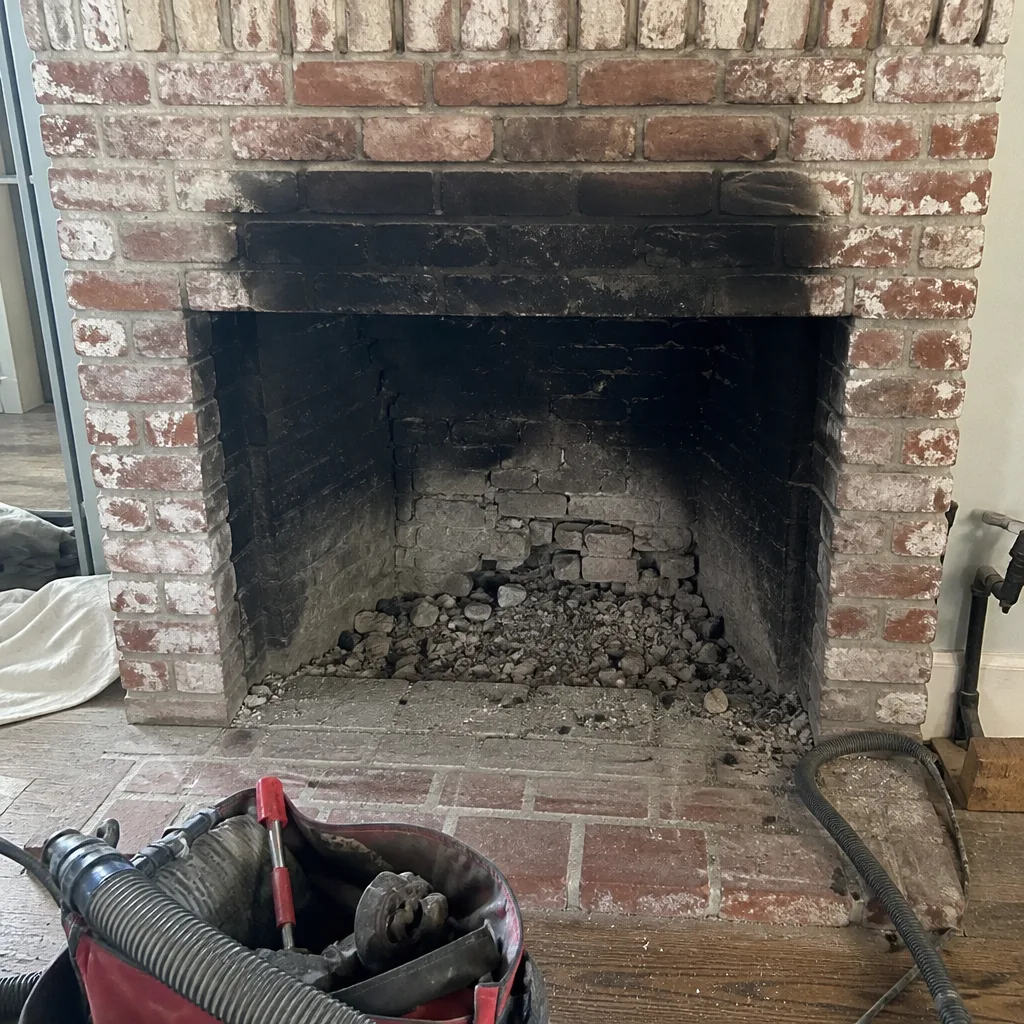
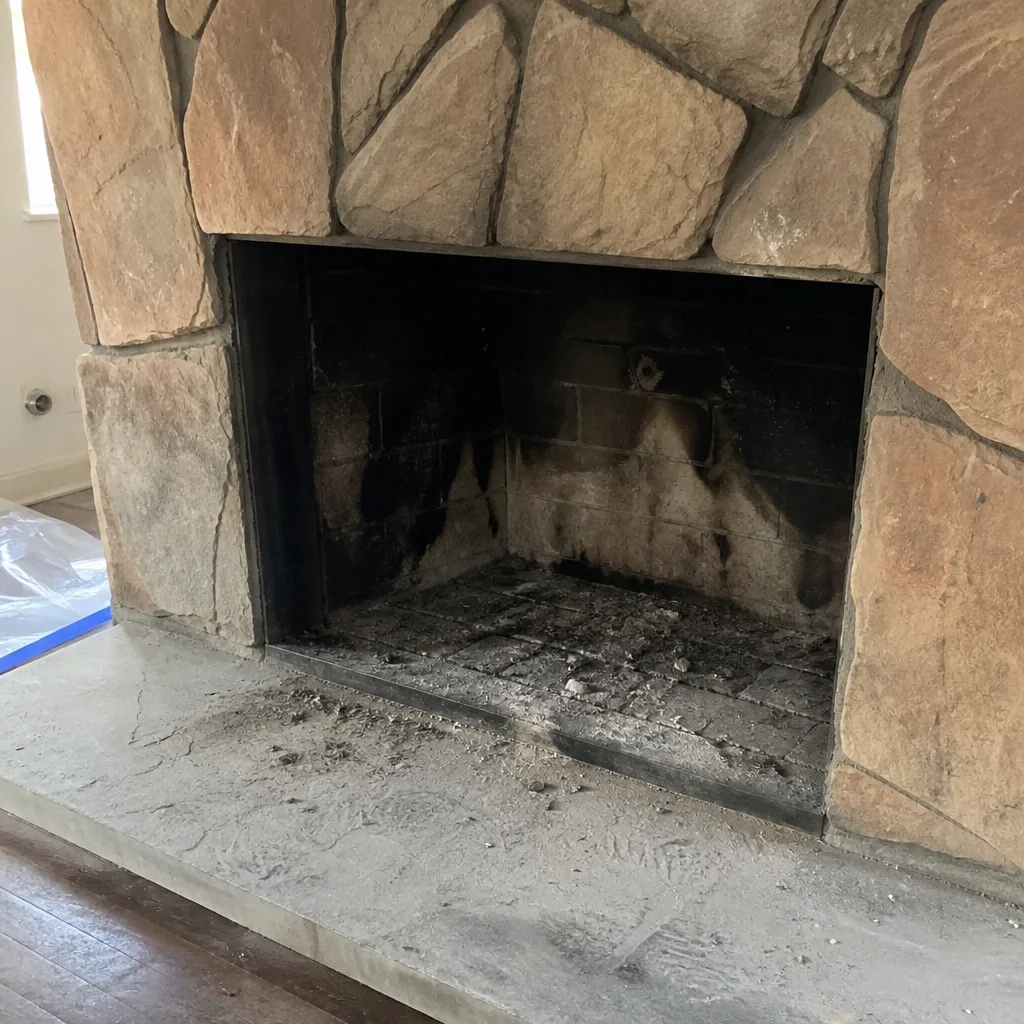 Before
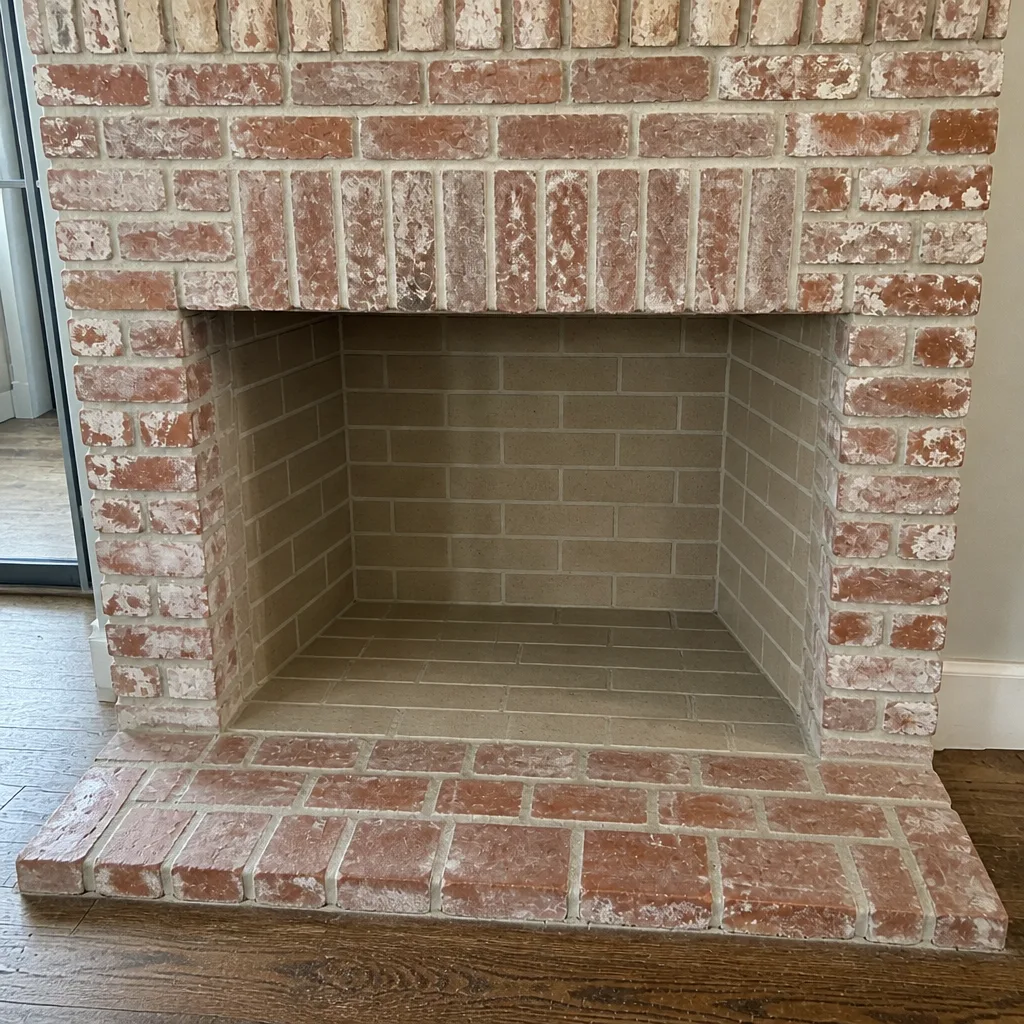
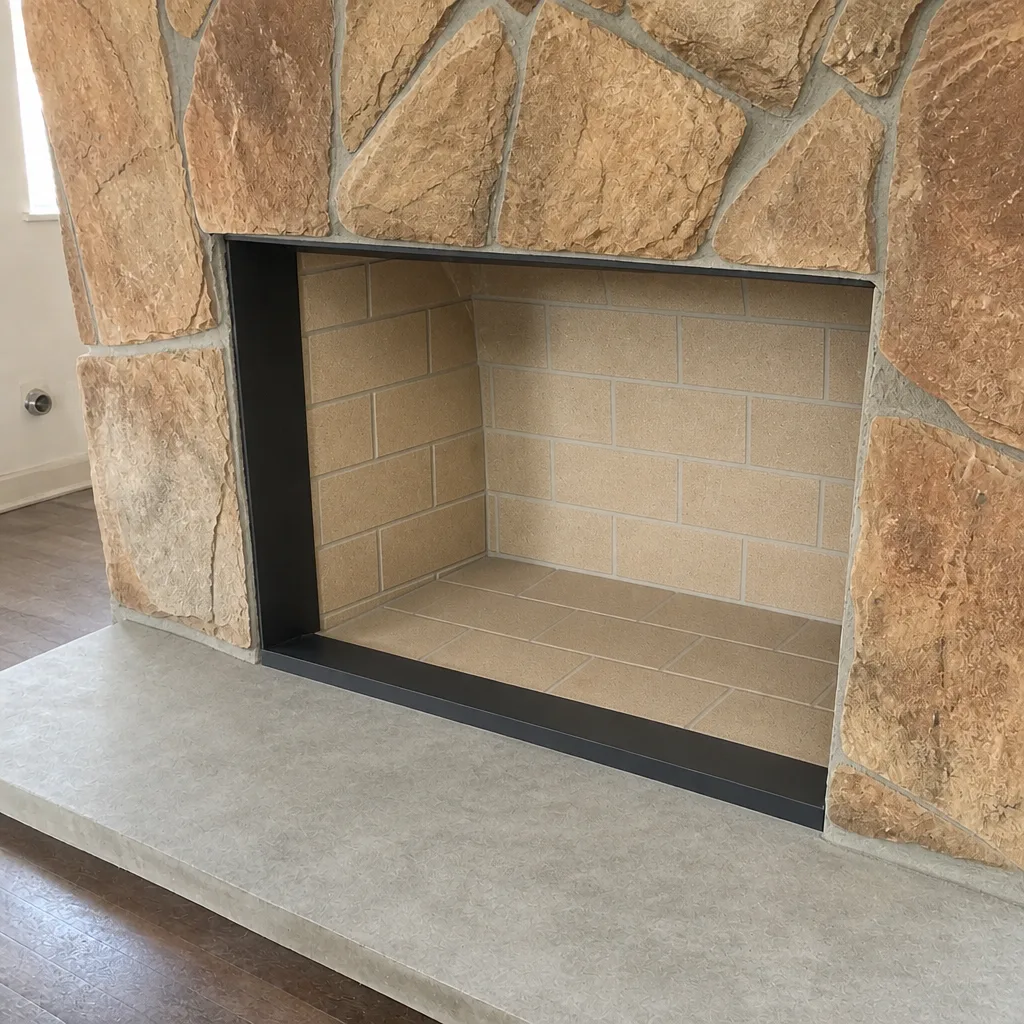 After
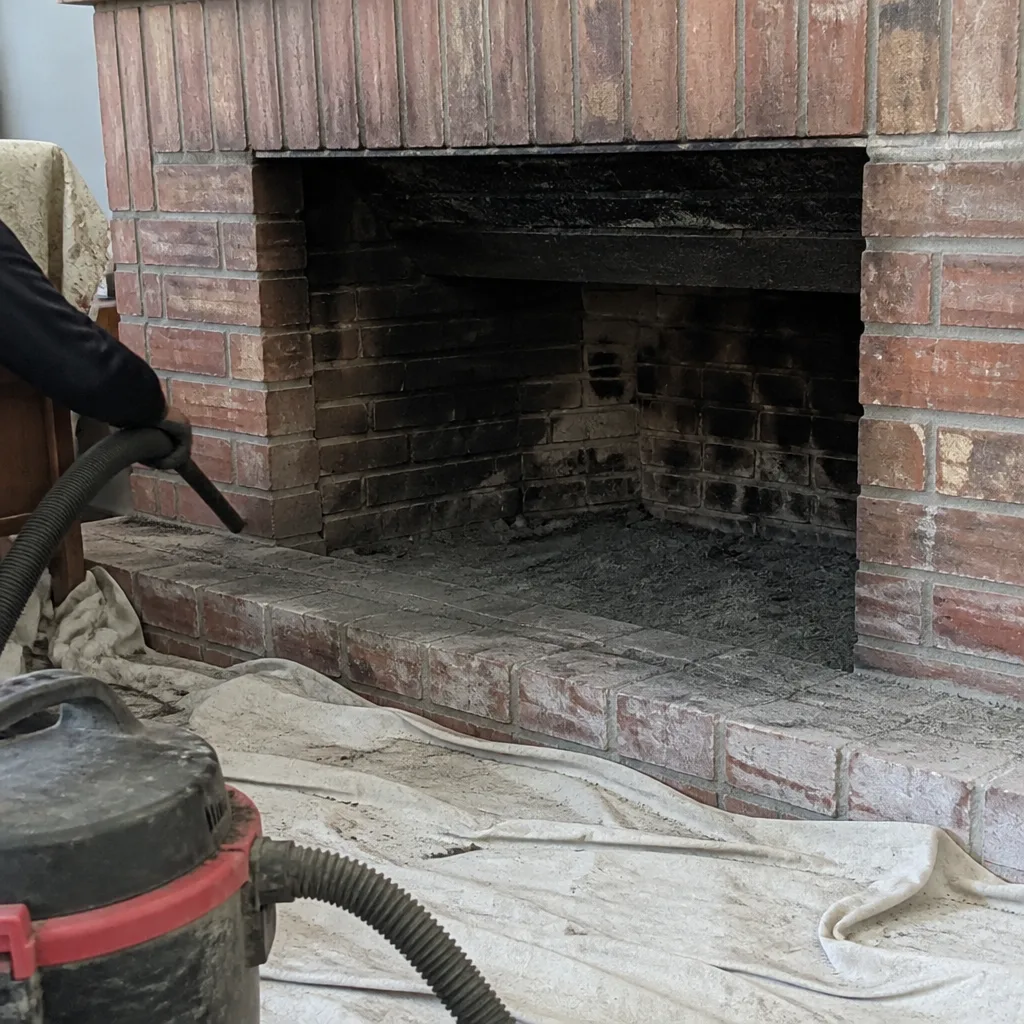 Before
 After
 Before
 After