
Last updated November 4, 2026
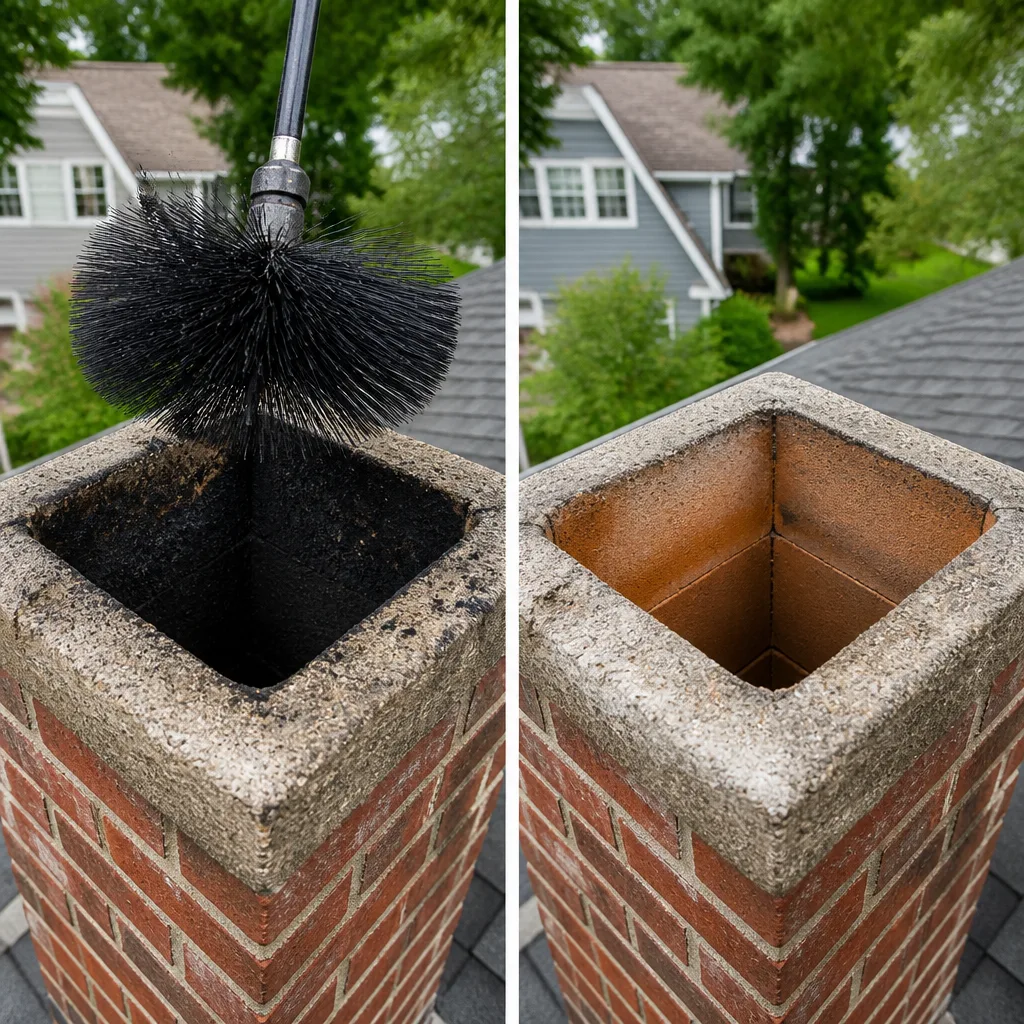 Sweep & inspection
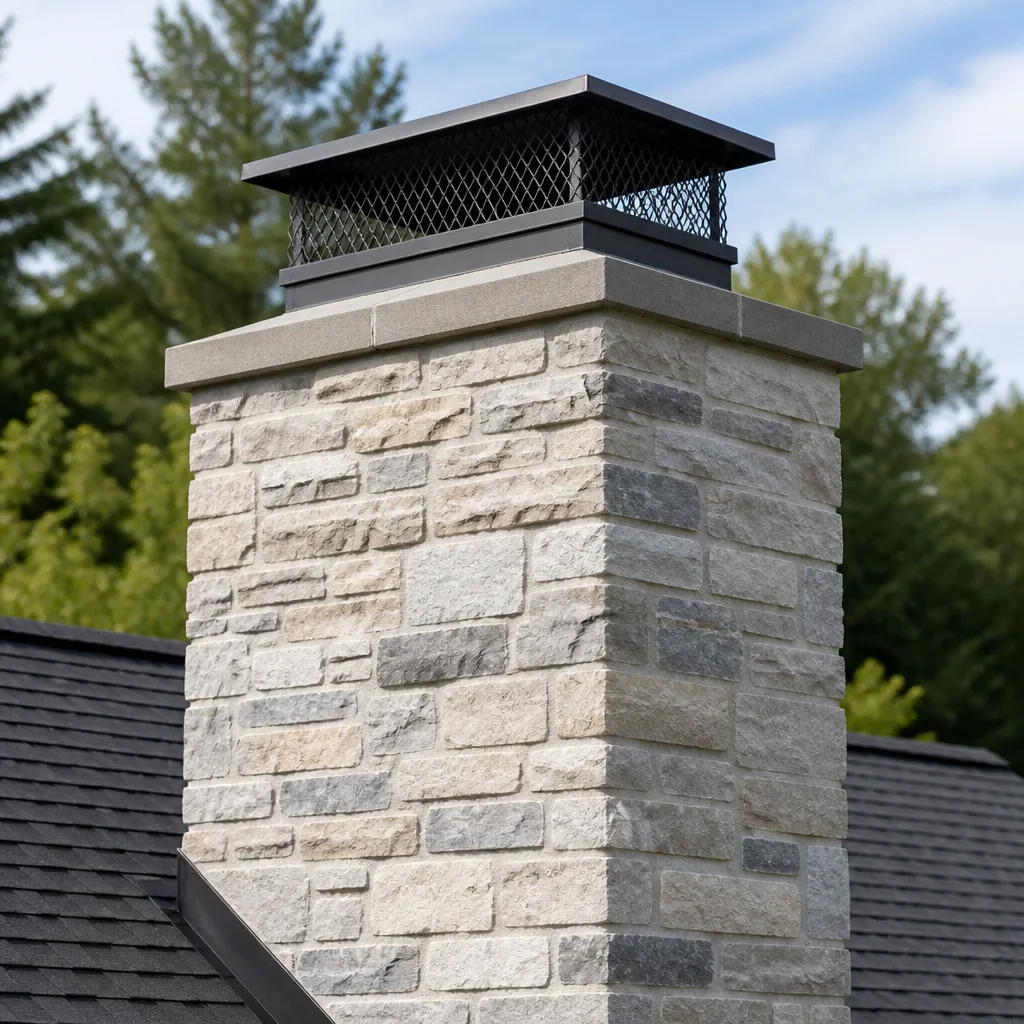 Caps & crowns
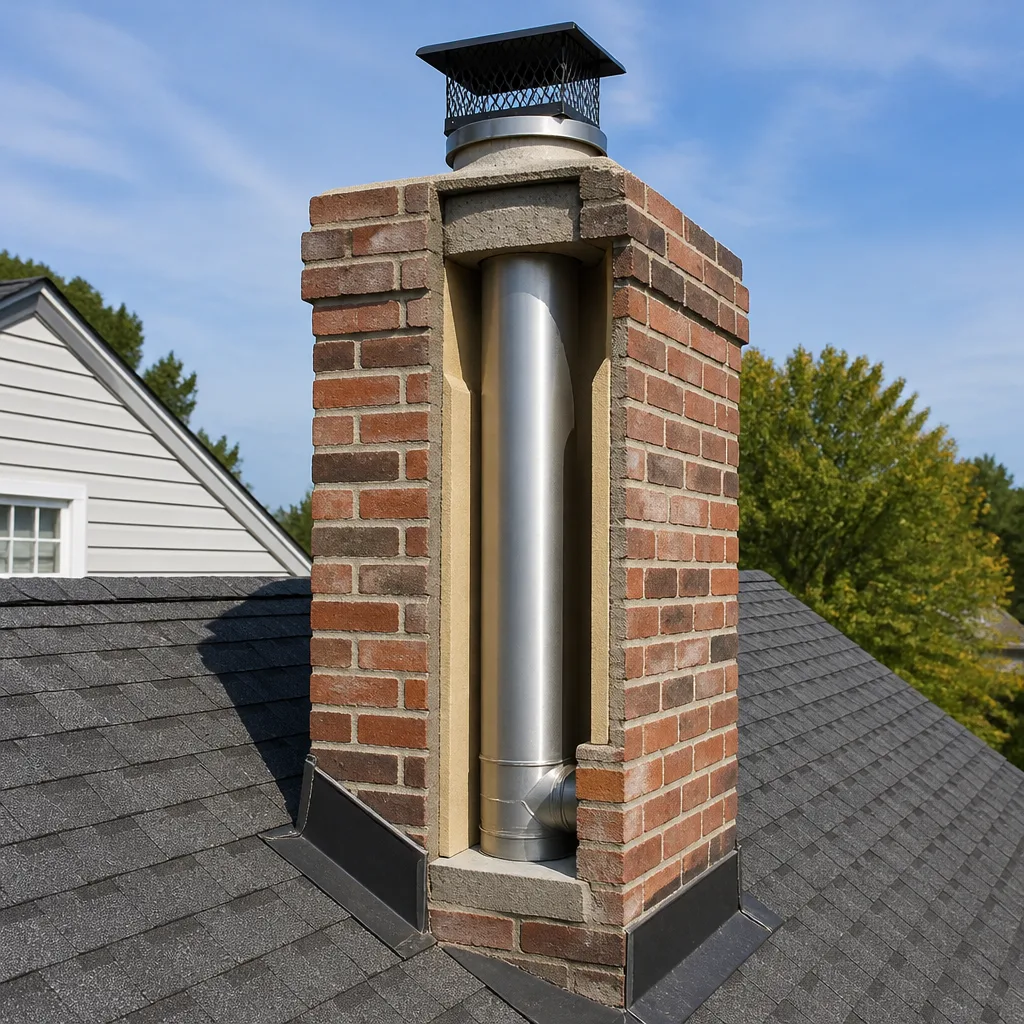 Flue relining
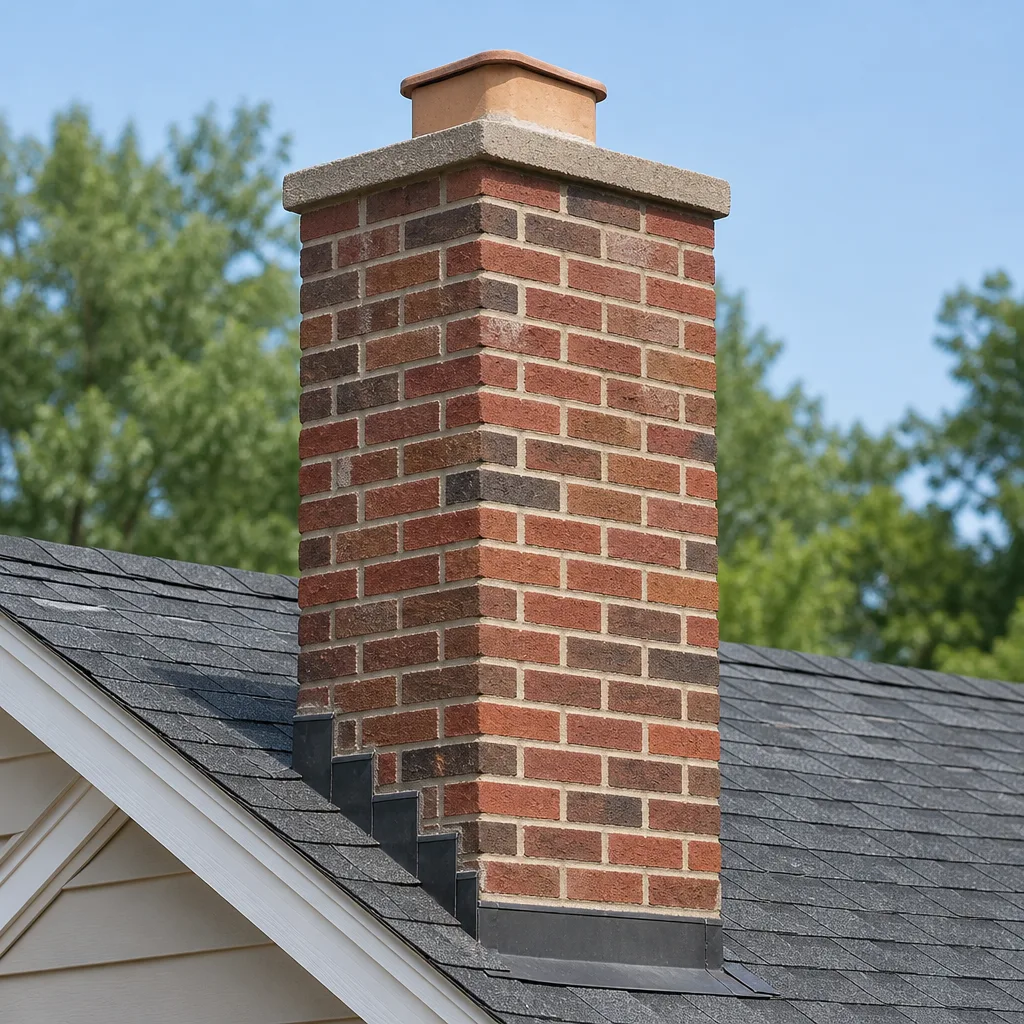 Masonry repair
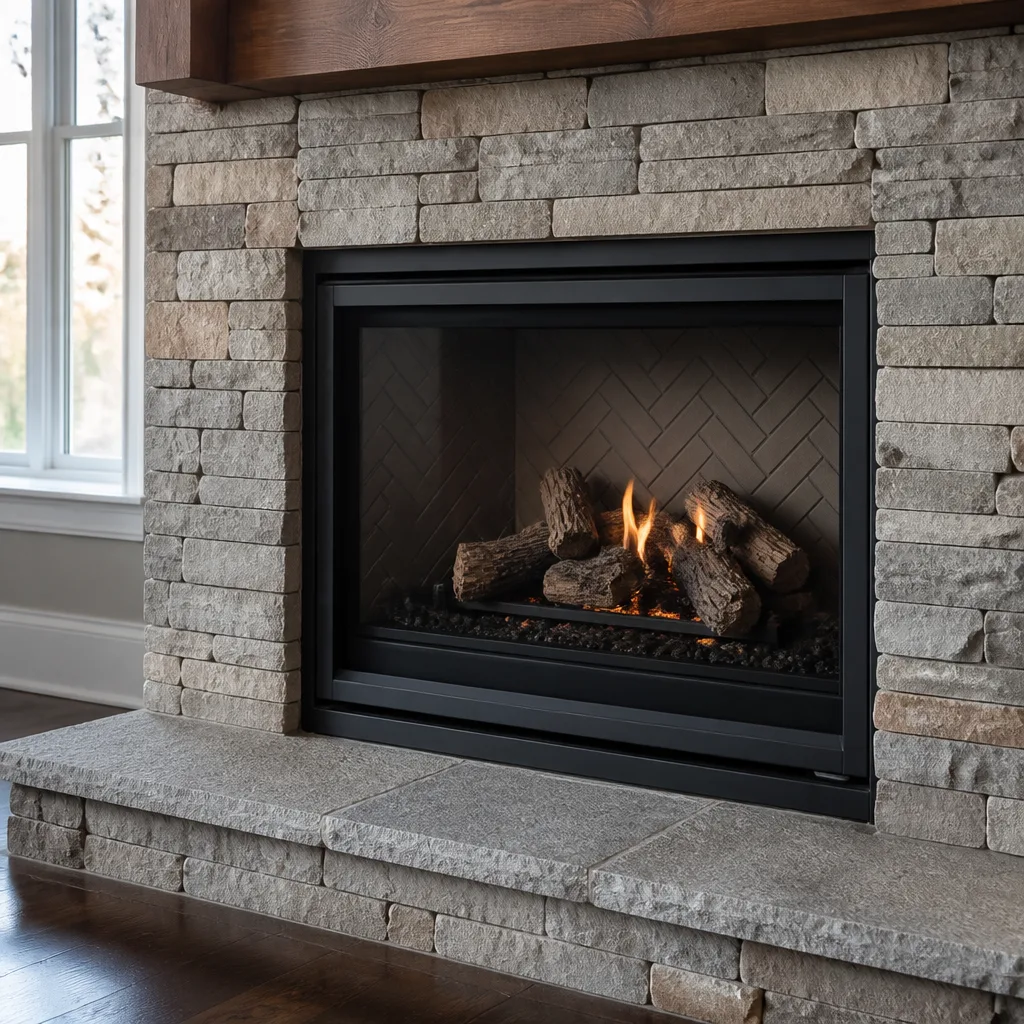 Gas fireplace service
Level 1 sweep and inspection to the NFPA 211 annual standard - flue, crown, cap, and flashing checked and photographed
Chimney sweep logs do not sweep chimneys. They loosen some creosote - which then falls where a brush and vacuum still have to collect it.
Chimney Cleaning Warning Signs: An Eastvale Homeowner’s Reference Guide
Most people assume a chimney problem announces itself with smoke pouring into the living room. That’s the crisis stage, not the warning stage. The actual warning signs show up weeks or months earlier, and they’re easy to miss if you don’t know what you’re looking at. A white chalky streak on brick, a musty smell that comes and goes, a fire that takes three attempts to catch. None of these feel like emergencies. Each one is the flue telling you something specific. This guide from Chimney Sweep Eastvale explains what those signals mean, which ones require immediate action, and which ones can wait for a scheduled chimney sweep. If you live in Eastvale and burn wood or run a gas fireplace, this is the reference you’ll come back to.
Quick Answer
The most common chimney warning signs in Eastvale homes are a smoky odor when the fireplace isn’t in use, white efflorescence or dark staining on interior walls near the chimney, rust on the damper or firebox, and visible flue tile fragments in the firebox. A smoky smell when no fire is burning almost always means creosote saturation and requires a cleaning. White powdery deposits on exterior brick mean water is moving through the masonry and needs a repair assessment. You can schedule a sweep for routine maintenance, but rust, spalling brick, or animal activity should prompt a faster inspection.
Styles & brands we work with
- Sweep & inspection
- Caps & crowns
- Flue relining
- Masonry repair
- Gas fireplace service
Table of Contents
- Visual Signs You Can Spot Without a Ladder
- What Different Chimney Odors Actually Mean
- Performance Problems During a Fire
- Insurer-Reportable Signs vs. Routine Service Calls
- What to Do Now vs. What Can Wait
- Common Mistakes to Avoid
- When to Call a Professional
- Frequently Asked Questions
Visual Signs You Can Spot Without a Ladder
You don’t need to climb onto your roof to read a chimney. Most of the useful signals are visible from the living room floor or the backyard. Eastvale’s dry climate works in your favor here. Water-related damage develops more slowly than it does in coastal areas, but it still develops, and the visual markers are consistent.
Start with the firebox. Look at the damper plate, the metal door just above the fire opening. If you see rust blooms or flaking metal, moisture is getting into the flue. In an Eastvale home, that moisture usually comes from a cracked crown or a missing cap, not from rain alone. A damper that’s rusted through can’t seal properly, which means conditioned air escapes up the chimney all summer.
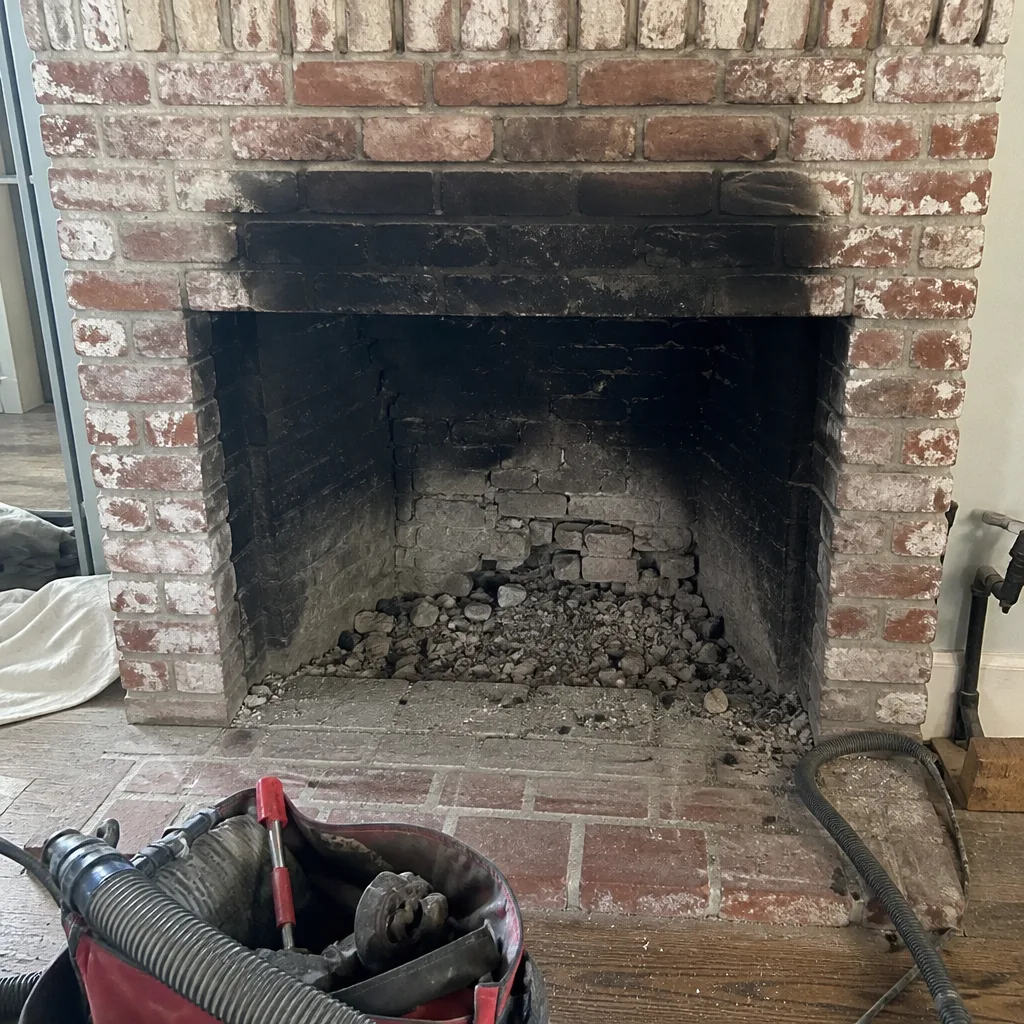
Next, look at the brick face above the firebox. Dark staining that looks like tar seeping through the masonry is creosote bleed-through. This happens when creosote deposits inside the flue get hot enough to liquefy and saturate the brick. It’s a cleaning issue, not a structural one, but it means the flue hasn’t been swept in a while.
White powdery residue on exterior brick is efflorescence. Salt deposits get pulled through masonry by water migration, then crystallize on the surface when the water evaporates. Efflorescence tells you water is moving through the chimney structure. It’s common on older Eastvale homes with original masonry and no crown cap. Left untreated, it leads to spalling, which is what it sounds like. The brick face flakes off in patches, leaving the softer interior exposed. Spalling is a repair issue that requires more than a sweep.
One more visual sign that gets overlooked: light-colored debris at the bottom of the firebox that looks like broken pottery. That’s often flue tile fragments. Clay flue liners crack under heat stress over time, and pieces fall into the firebox. If you see this, the liner is compromised. Depending on severity, the repair path is either HeatShield resurfacing or a full reline.
What Different Chimney Odors Actually Mean
Smell is the most underrated diagnostic tool you have. Each distinct chimney odor points to a different underlying condition, and most of them can be identified without any equipment. In Eastvale, where winter fires are the main source of creosote accumulation, homeowners who burn regularly should treat any recurring odor as a signal worth investigating.
A smoky or campfire smell when no fire is burning is the classic creosote saturation signal. The flue walls have absorbed enough combustion byproduct that the residue is off-gassing into the living space. It’s not a draft problem and adjusting the damper won’t fix it. The flue needs a cleaning.
A musty, damp odor usually means moisture has entered the flue and is sitting there. That can come from a cracked crown, a damaged cap, or an uncapped flue driving rain penetration. In Eastvale, we don’t deal with freeze-thaw pressure cycles the way colder climates do, so a cracked crown here is more often from age and sun exposure than ice expansion. The odor itself doesn’t indicate danger, but the water intrusion will degrade the liner and brick if you wait.
A sulfurous or rotten-egg smell is different. That can indicate a gas appliance venting problem or, in some cases, a dead animal in the flue. If you smell sulfur and you have a gas fireplace or gas water heater vented through the chimney, stop using both and call for an inspection. Carbon monoxide is colorless and odorless on its own, but the sulfur odor often accompanies improper combustion. This is one of the few smell-based signs that warrants treating the situation as urgent.
We’ve found that Eastvale homeowners with gas inserts often assume their venting is maintenance-free because there’s no wood smoke. That is not the case. Gas appliances still produce combustion byproducts that must vent correctly, and gas logs still generate enough particulate to require periodic cleaning. Any odor from a gas fireplace vent is worth a service call.
Performance Problems During a Fire
How a fire behaves tells you as much about the flue as any visual inspection. These are the performance signals we ask about when someone calls for a chimney sweep in Eastvale. Most of them point to either airflow obstruction or creosote buildup.
Slow ignition is one of the first things a homeowner notices. If your kindling catches but the logs won’t, or the fire sputters for several minutes before establishing a flame, the flue isn’t drawing air efficiently. That could be a partially closed damper, but it could also mean creosote narrowing the flue diameter. Reduced flue cross-section equals reduced draft, and a chimney that can’t draw won’t burn clean.
Excessive smoke in the room is a stronger version of the same signal. When the flue can’t create enough negative pressure to pull smoke upward, the smoke follows the path of least resistance into your living space. This is not something to tolerate. It’s a sign of significant obstruction, severe creosote buildup, or even a structural problem with the flue liner. Stop using the fireplace until it’s been inspected.
Downdraft is the specific condition where cold air pushes down through the flue instead of warm air rising. It’s more common on tall chimneys and in homes with competing exhaust systems, like a kitchen vent hood running at the same time. In Eastvale, where many homes have open floor plans and powerful kitchen ventilation, downdraft issues are more common than people expect. A downdraft that appears suddenly, or only when other appliances are running, suggests a ventilation balancing issue or a change in flue conditions.
Uneven burn, where one side of the log burns faster than the other or the fire dies down quickly despite adequate wood, often points to airflow inconsistency inside the firebox. It’s less diagnostic than other signs by itself, but combined with a smoky odor or visible creosote, it supports the case for a cleaning and inspection.
Insurer-Reportable Signs vs. Routine Service Calls
One of the questions we hear from Eastvale homeowners is whether they should report chimney damage to their insurance company. The answer depends on what the damage is and how it happened. Getting this distinction right matters. Reporting a maintenance issue won’t trigger coverage, and failing to report a covered event can delay reimbursement later.
Routine service calls cover things that happen through normal use. Creosote buildup, soot accumulation, aging mortar joints that need repointing, a rusted damper from condensation. These are maintenance items. Your insurance policy exists for sudden and accidental events, not wear and tear. Filing a claim for creosote cleaning is not appropriate.
Insurer-reportable signs are tied to a specific event. If a storm knocked a tree branch onto your chimney and cracked the crown, or wind lifted a section of cap flashing and water poured into the flue, that’s a covered event in most policies. Document it immediately. Take photos of the visible damage before anyone repairs it. If you can’t safely inspect the roof, note the date and circumstances of the storm. Then call your insurer, and call a chimney repair technician for an assessment. The two conversations can happen in parallel.
What about water damage that shows up without a specific storm? This is the gray area that frustrates homeowners. If you can’t point to a sudden event but you’ve discovered efflorescence or a rusted damper plate, your insurer will likely classify it as long-term moisture exposure, which is not covered by standard homeowner policies. That’s why it’s worth catching water intrusion early. The longer it goes, the more repair cost lands on you.
Here’s a practical rule for Eastvale homeowners: if the chimney damage showed up after weather you can name, report it. If it’s the kind of thing that developed gradually, treat it as a repair and maintenance issue. Your Eastvale insurance agent can confirm the specifics of your policy, but that’s the general framework.
What to Do Now vs. What Can Wait
Not every chimney warning sign requires a same-day service call. Knowing which ones do, and which ones can wait, saves you stress and helps you make better decisions. We tell homeowners to think of it in three tiers.
Tier 1: Stop using the fireplace and call today
- Sulfur odor with a gas appliance. Stop using the gas fireplace and any gas water heater venting through the chimney. Call for a gas vent inspection. Carbon monoxide risk is the reason this belongs at the top.
- Smoke entering the room during a fire. This means the flue isn’t venting properly. Continued use concentrates combustion byproducts in your living space. It can also mean the flue liner has failed.
- Animal sounds from the chimney. Raccoons, squirrels, and birds nest in uncapped flues. The nest blocks airflow and its material can ignite. If you hear movement, call for removal and cap installation before you use the fireplace again.
Tier 2: Schedule a service call within a few weeks
- Smoky odor when no fire is burning. This usually means creosote saturation. It’s not an emergency, but every day it off-gasses into your home is a day you’re breathing particulates. Schedule a sweep.
- Flue tile fragments in the firebox. The liner is compromised. The repair options should be assessed before the next burning season. Delaying just makes the eventual repair more extensive.
- Rust on the damper plate. Moisture is coming in. The source needs to be found and fixed before more masonry damage accumulates.
Tier 3: Note it and address it during your next scheduled sweep
- Mild efflorescence on exterior brick. It means water movement, but early-stage efflorescence can often be addressed with a quality cap and minor crown repair during a routine visit.
- Slow ignition. If the fire catches eventually and no odor or smoke issues follow, it may just be air moisture or cold air in the flue. Mention it to your technician at the next cleaning.
- Light soot in the firebox. That’s normal combustion residue. It builds up with use and gets cleaned during a sweep.
One thing we never recommend: pushing off a Tier 1 issue because the weather is mild. Eastvale winters make burning season comfortable, but the chimney doesn’t care about the outside temperature. A flue problem that starts in January is still a problem in July, and it’s often easier to repair when you’re not competing for service slots.
Common Mistakes to Avoid
- Ignoring a smoky smell because the damper seems closed. A closed damper doesn’t create creosote off-gassing. If the smell persists with the damper fully closed, the flue walls are saturated and the damper isn’t the issue.
- Using the fireplace as a trash disposal. Burning wrapping paper, cardboard, or treated lumber produces fast, hot fires and deposits creosote that’s harder to remove. Stick to seasoned hardwood.
- Assuming gas fireplaces don’t need cleaning. Gas logs still deposit residue, gas venting still clogs with animal nests, and gas appliances still need their vent passages checked annually.
- Relying on the “smell test” at the start of the season. The first burn after months of disuse can smell musty or smoky without indicating a serious problem. The more reliable signal is an odor that returns during the season or a smell that’s present when nothing is burning.
- Pointing a box fan at the fireplace to “blow the smoke out.” That just circulates combustion particles through the house. Open a window near the fireplace instead, which helps restore pressure balance, and call for an inspection.
- Skipping a cap because Eastvale gets little rain. Even in a dry climate, a cap keeps out birds, rodents, and airborne debris. Rain is not the only thing an uncapped flue takes in.
- Choosing a sweep based only on price. A sweep that doesn’t include a camera inspection, or doesn’t show you what was found, can leave behind serious conditions that were never identified. Ask what the inspection covers before you book.
When to Call a Professional
Some warning signs are obvious enough that you can act on them yourself. Others require a trained eye and equipment. A smoke smell when the fireplace isn’t burning, visible flue tile fragments, rusted damper hardware, or any animal evidence in the chimney are all reasons to call for an inspection rather than attempting a DIY diagnosis. You can brush soot from the firebox floor. You can’t see the flue liner without a camera, and you can’t safely assess creosote thickness from ground level. We also do dryer vent cleaning as a primary service, so if you’re scheduling a chimney inspection, ask about the dryer vent too. A clogged dryer vent is a fire risk that most Eastvale homeowners never think about until the laundry room smells like burnt lint. Chimney Sweep Eastvale offers free estimates in Eastvale. Call (866) 569-7136. We answer 24/7. Fast dispatch from 7am to 7pm, Sunday through Friday.
Frequently Asked Questions
For wood-burning fireplaces used regularly during winter, an annual sweep is the standard recommendation. If you burn more than three cords per season or burn green wood, you may need a mid-season cleaning. Gas fireplaces should be inspected annually but typically need less frequent sweeping. The National Fire Protection Association recommends annual inspection regardless of fuel type.
Chimney sweeping in Eastvale typically falls in a range based on the flue’s condition, height, and accessibility. A standard open-flue sweep starts lower than a heavily creosoted flue that requires mechanical removal, and any repair work like liner replacement or HeatShield resurfacing is quoted separately. The written estimate sets the final price. Call (866) 569-7136 for an exact quote. Estimates are free.
Not necessarily. Clay flue tile can crack in sections, and depending on the extent of the damage, a HeatShield resurfacing application can restore the liner’s structural integrity without a full replacement. This is a contractor-grade repair path that’s code-recognized and costs less than a full reline. A camera inspection determines which route applies to your chimney.
Creosote continues to accumulate on the flue walls. Over time it hardens into a glazed layer that’s more difficult and expensive to remove, restricts the flue opening, and increases the chimney fire risk. The moisture problems that develop alongside creosote, like rusted dampers and cracked crowns, also progress from minor repairs into larger structural issues. The cleaning isn’t the expensive part of chimney ownership. The deferred repairs are.
You can remove loose soot from the firebox floor and inspect what’s visible from inside, but the flue itself requires professional tools and training. A chimney sweep includes a visual and often camera inspection of the entire flue system, including the areas you can’t see, like the liner, damper seat, and crown. The inspection is where the real value lies. Most homeowners who attempt DIY sweeping end up with a cleaner-looking firebox and the same flue conditions they started with.
Look for rust on the cap itself, separation between the cap and the flue, or animal activity around the flue opening. If your cap is more than ten years old or you can see daylight around the base, it’s likely worn. Gelco caps are a professional-grade replacement line that hold up well in Eastvale’s dry, sunny climate. A cap replacement is one of the most straightforward and cost-effective chimney repairs you can make.
The Bottom Line
Chimney warning signs are readable if you know what each one means. A smoky odor without a fire is creosote saturation. White efflorescence is water movement. Flue tile fragments are liner failure. Rust on the damper means moisture intrusion. Most of these signals are visible or smellable before anything dangerous happens, which means an attentive Eastvale homeowner can catch them early and avoid the expensive repair that comes later. The key is acting on the signal instead of waiting until the fireplace stops working or smoke fills the room. Schedule a sweep when you notice the first sign, not the fifth. Call (866) 569-7136 for a free estimate. We answer 24/7. Fast dispatch from 7am to 7pm, Sunday through Friday.
Written by the team at Chimney Sweep Eastvale, serving Eastvale since 2016.
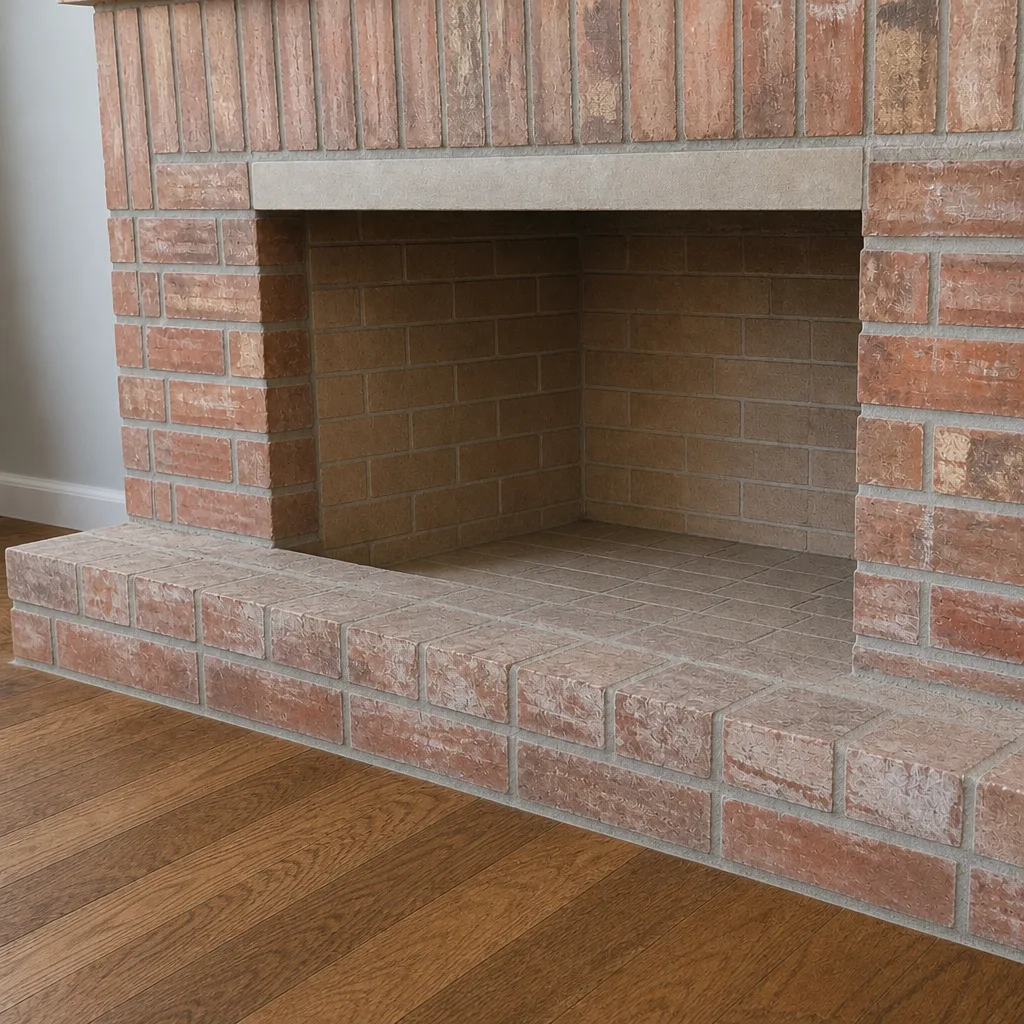
See the difference
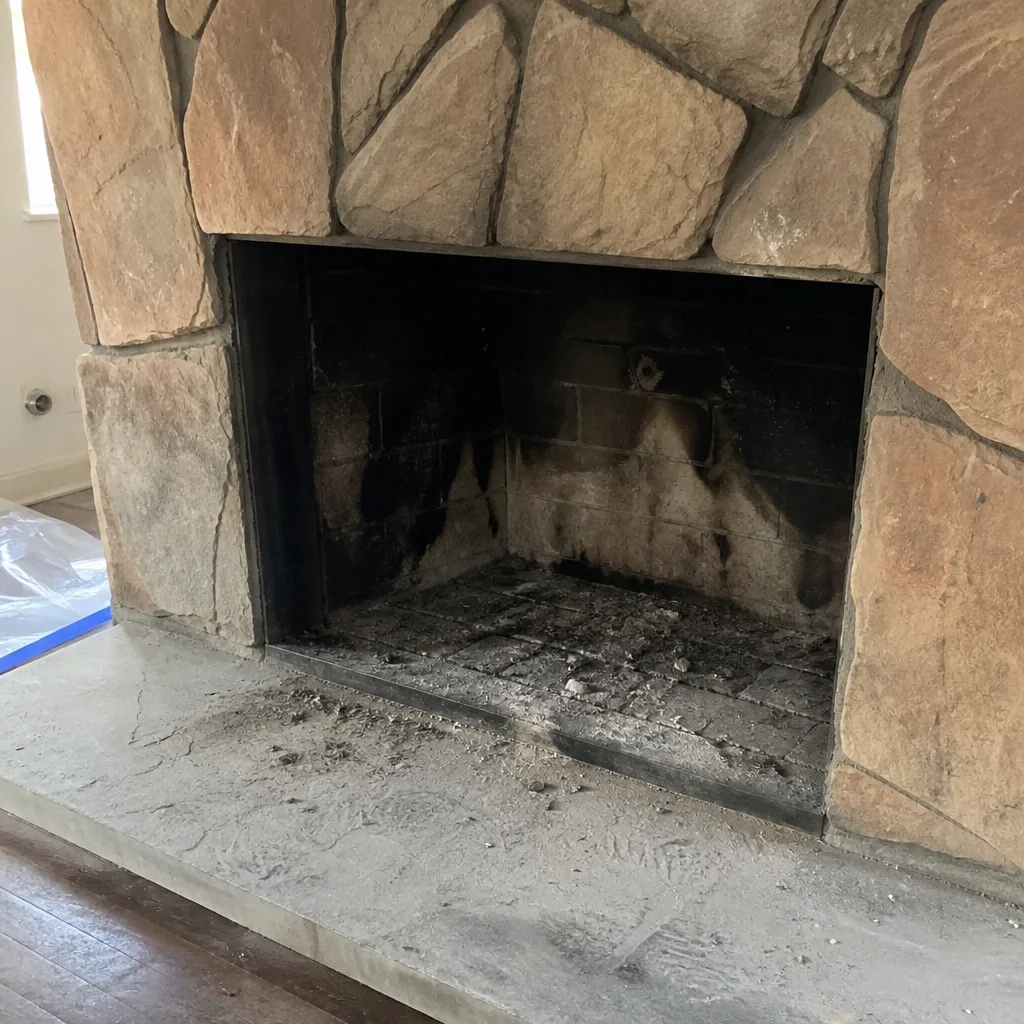 Before
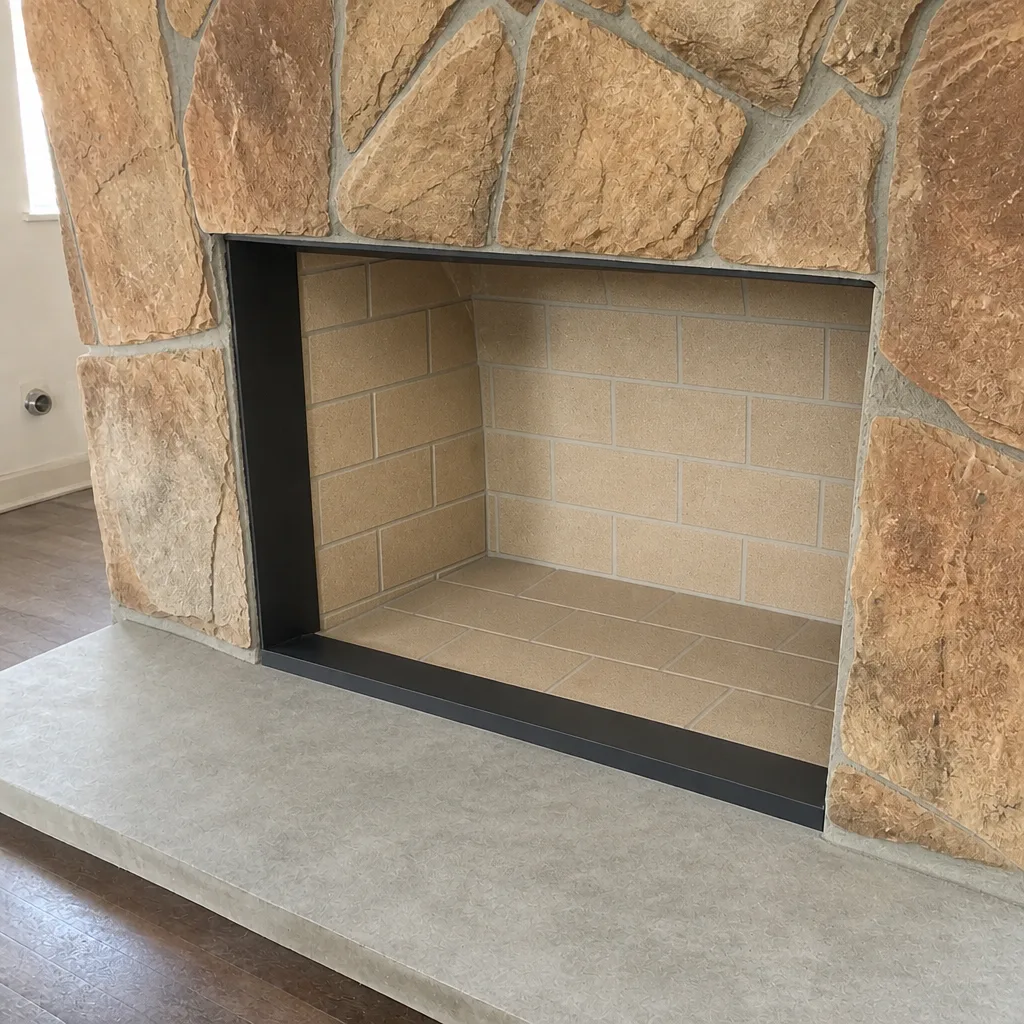 After
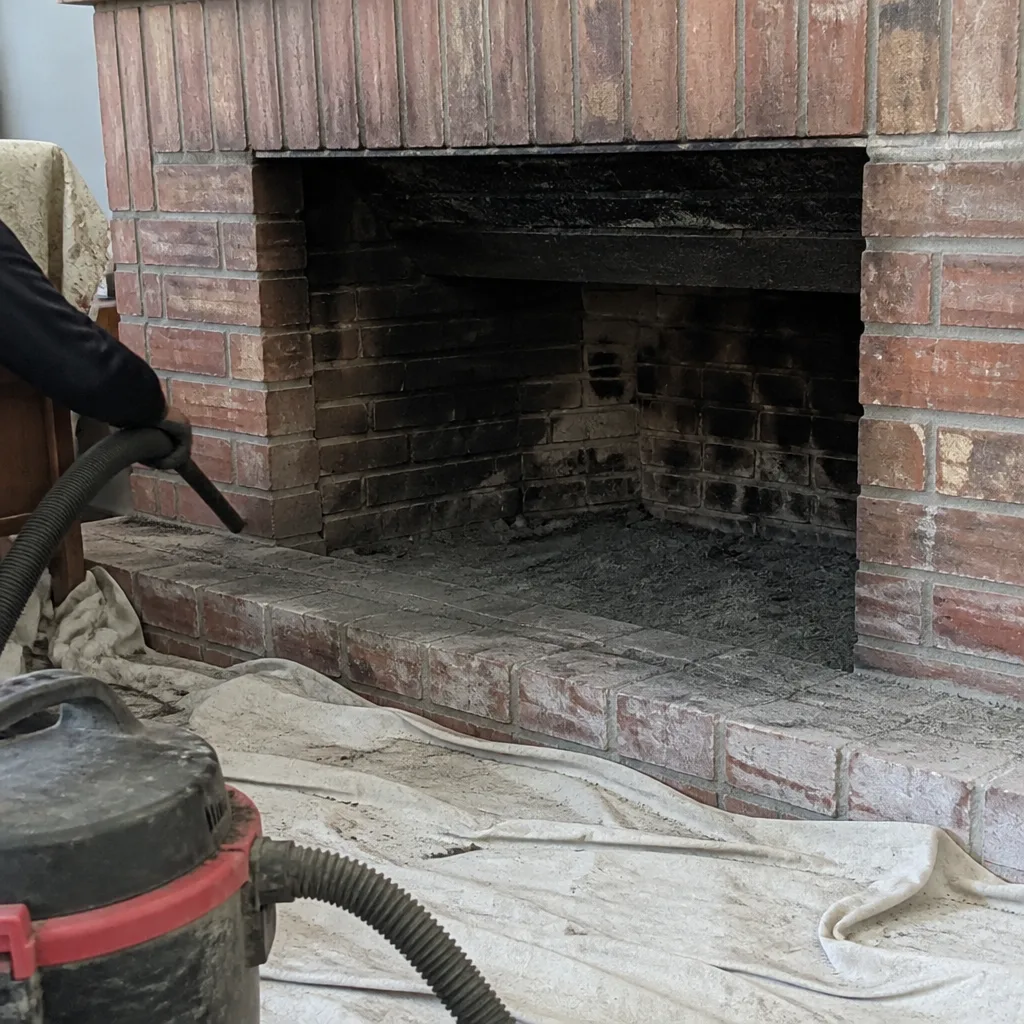 Before
 After
 Before
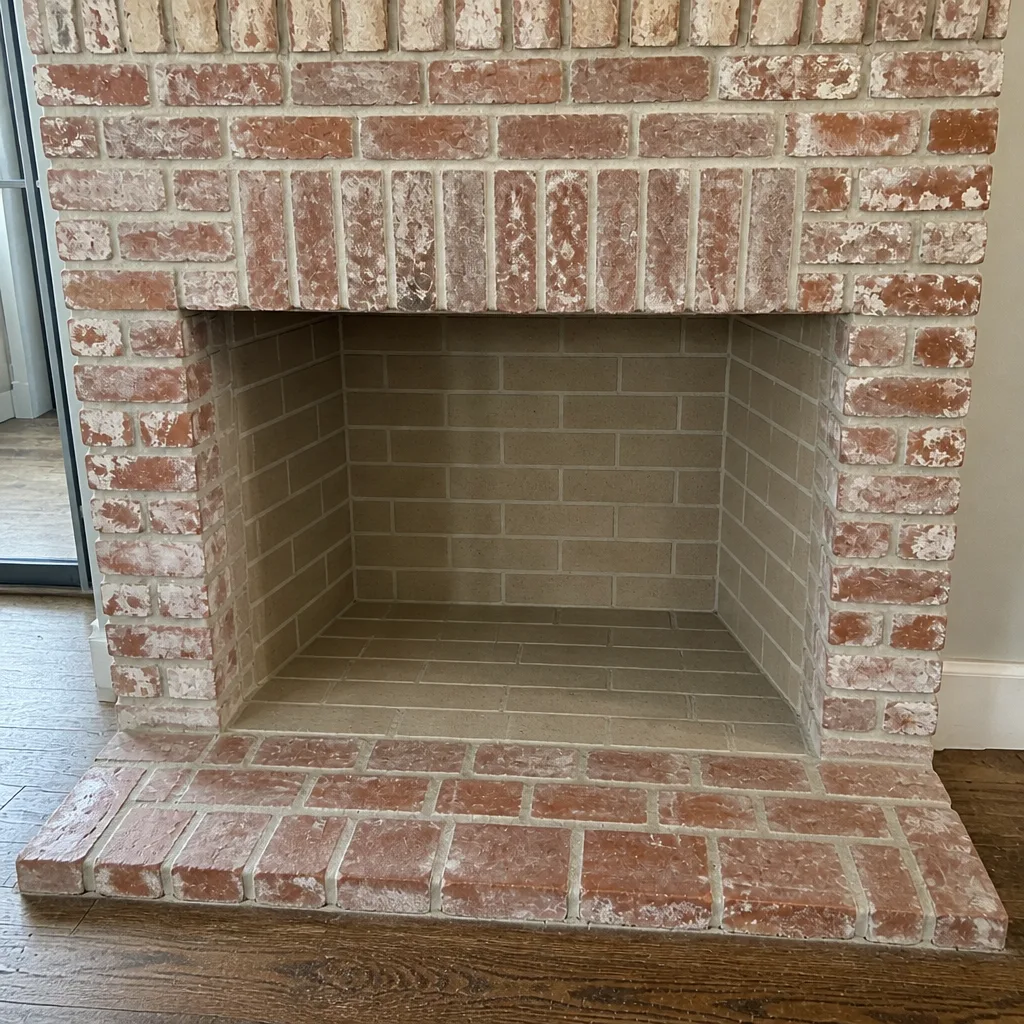 After