
Last updated November 4, 2026
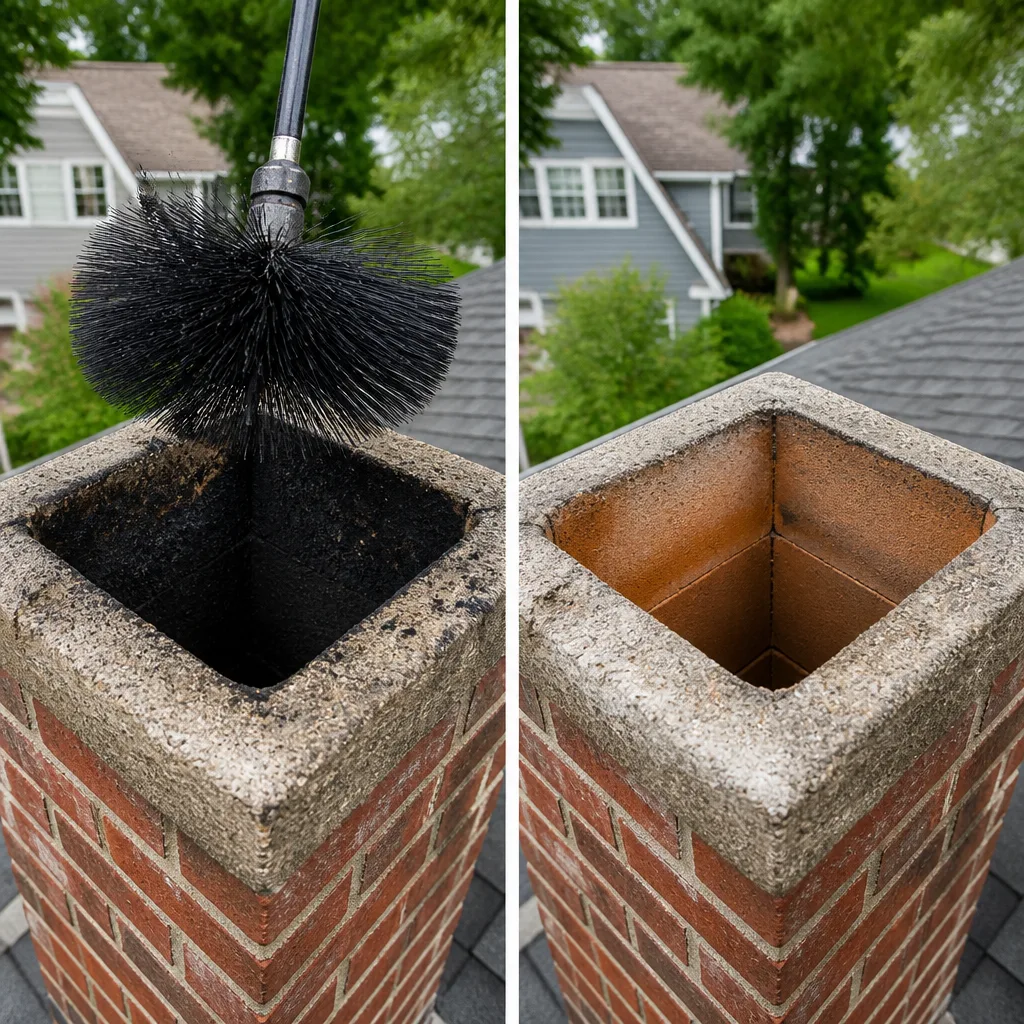 Sweep & inspection
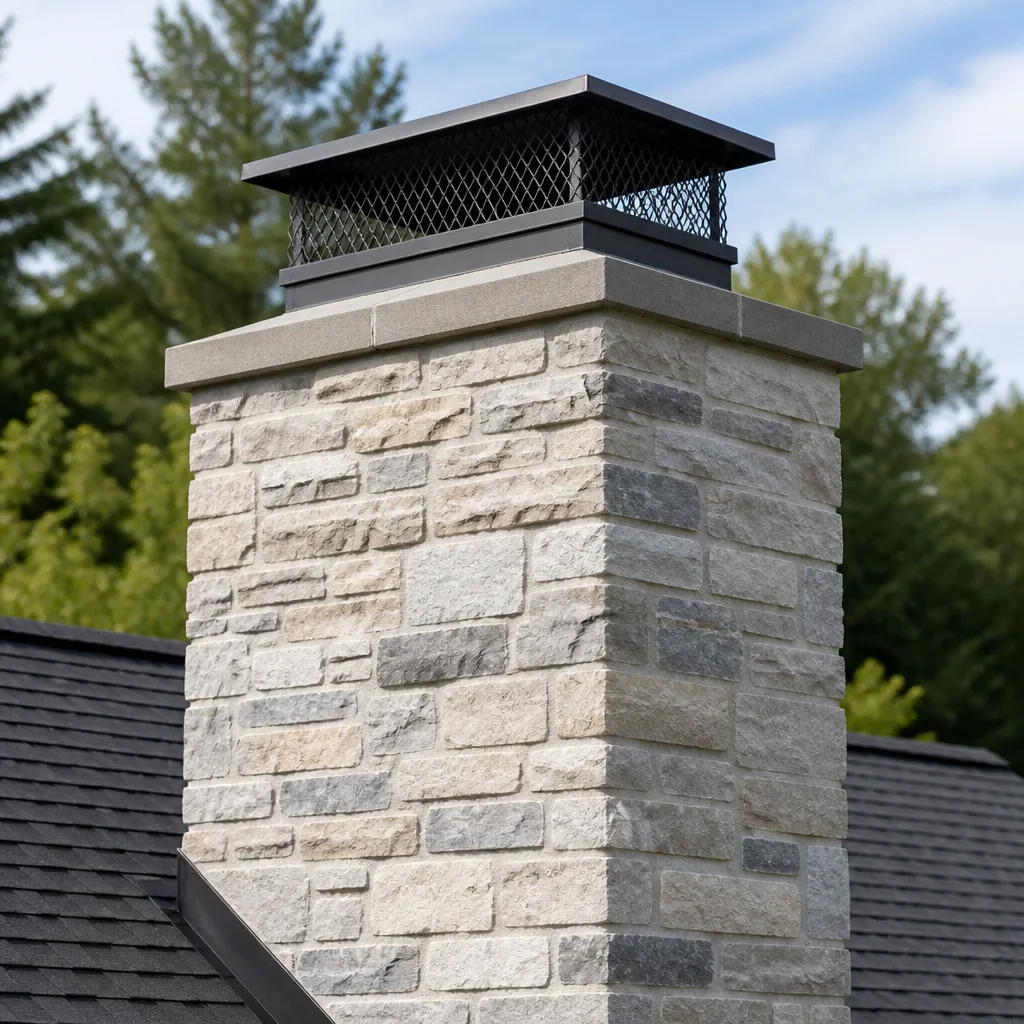 Caps & crowns
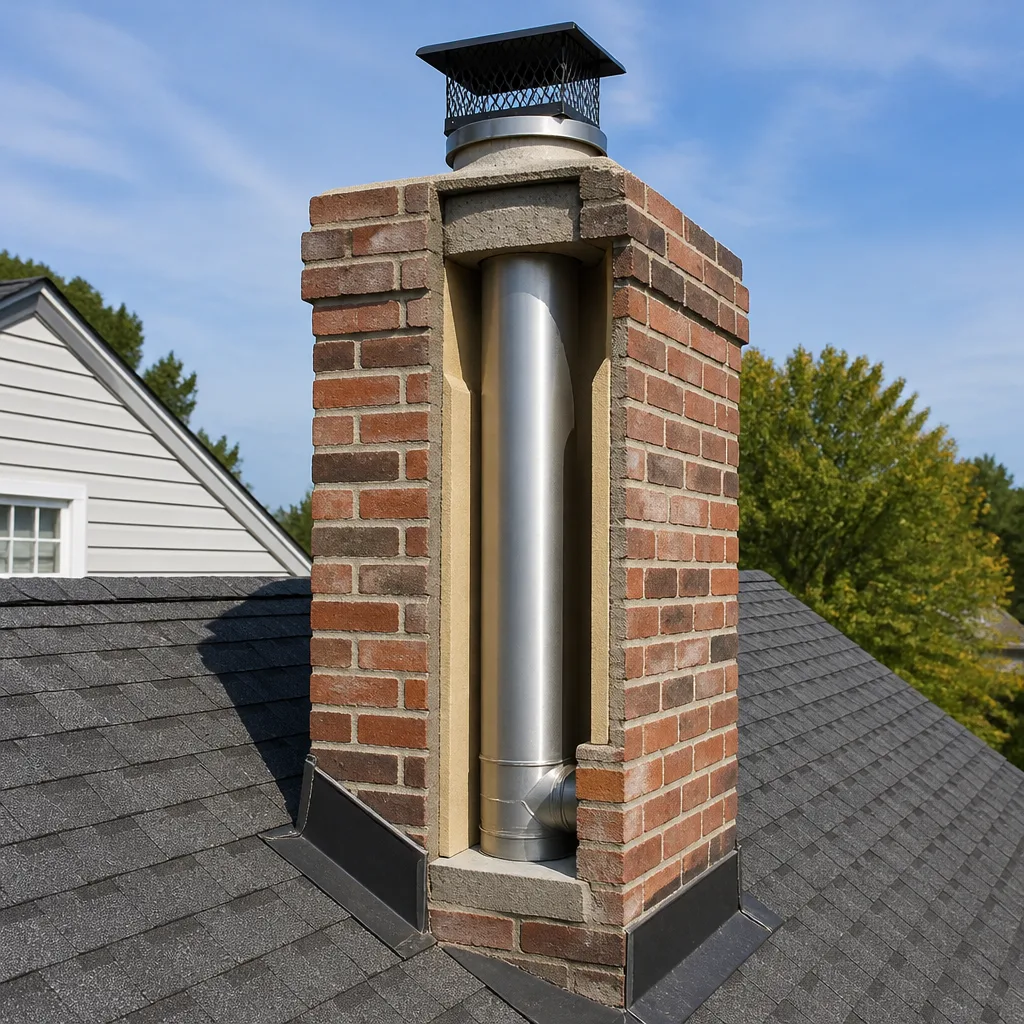 Flue relining
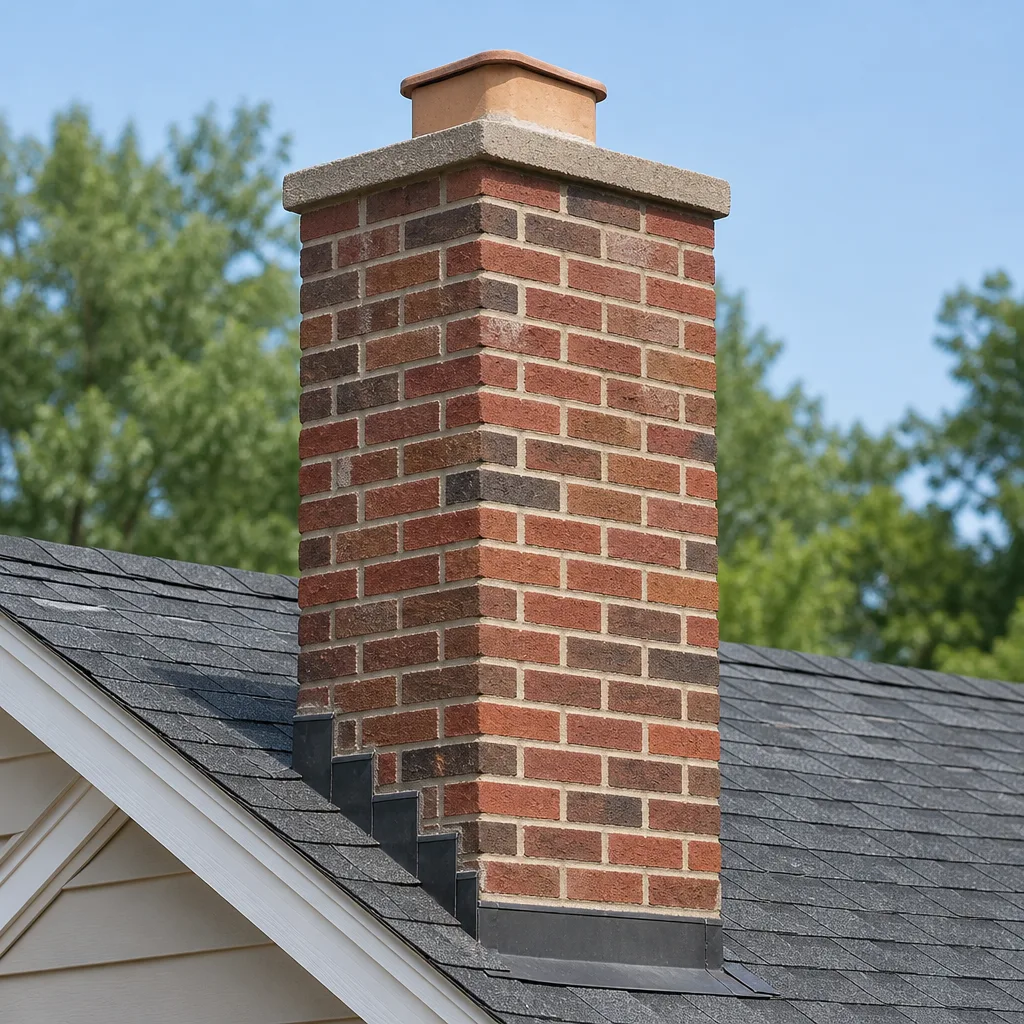 Masonry repair
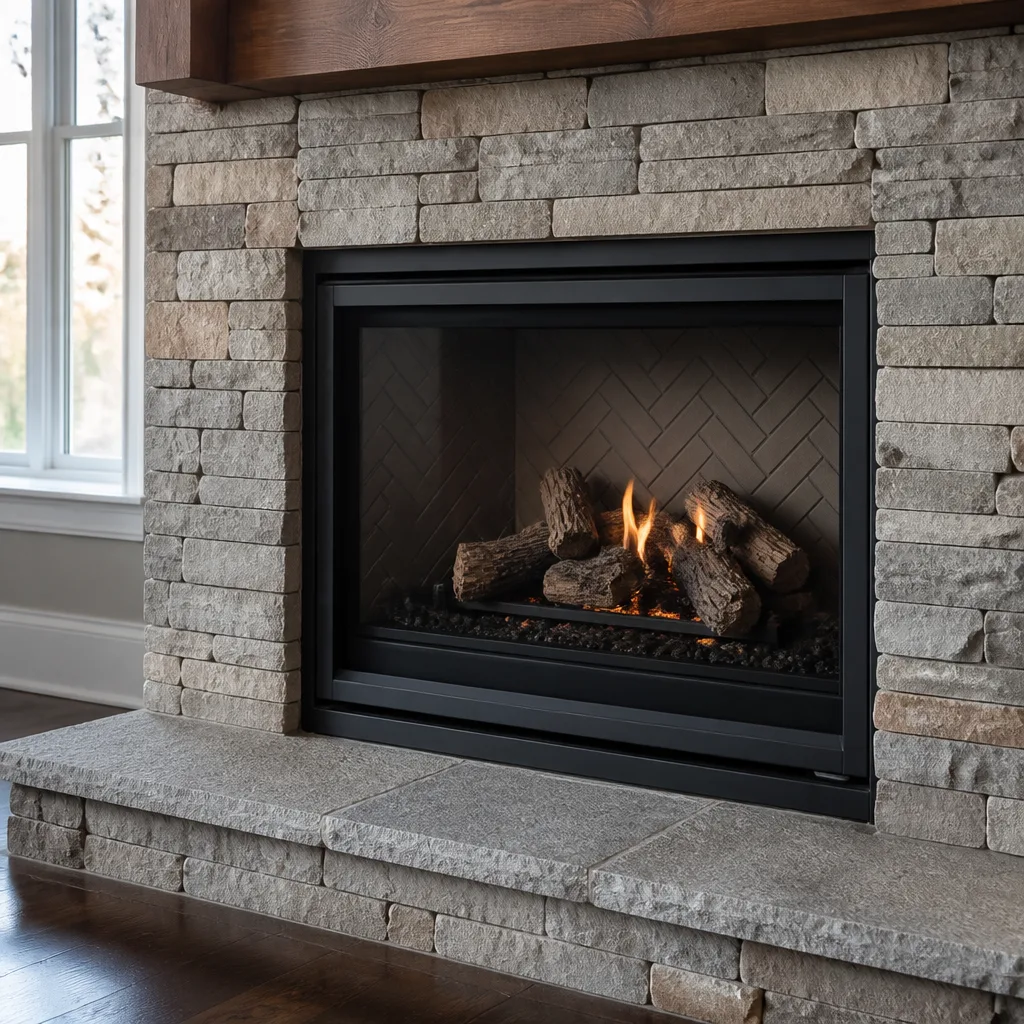 Gas fireplace service
Level 1 sweep and inspection to the NFPA 211 annual standard - flue, crown, cap, and flashing checked and photographed
Chimney sweep logs do not sweep chimneys. They loosen some creosote - which then falls where a brush and vacuum still have to collect it.
Chimney Sweep Maintenance Checklist for Eastvale Homeowners
The chimney cap is the single most replaced component we see on Eastvale homes, and it rarely fails because of fire. It fails because bargain galvanized caps oxidize in under three years under Inland Empire UV exposure. A maintenance checklist that does not flag cap material is a checklist written somewhere else, for a different climate. This guide is built around what actually degrades fastest in Eastvale’s high-UV, high-dust, low-humidity conditions, so you can maintain your chimney and dryer vent with the same specificity a technician would.
Quick Answer
A thorough Eastvale chimney maintenance routine covers three things: an annual sweep, a visual inspection of the cap and chase cover for UV-related wear, and a dryer vent cleaning on the same schedule as your chimney sweep. Homeowners can check a handful of visible components themselves, but flue inspection and cleaning require a professional. The right checklist separates what you can see from what only a sweep can see, and it records everything so you build a service history for insurance and resale.
Styles & brands we work with
- Sweep & inspection
- Caps & crowns
- Flue relining
- Masonry repair
- Gas fireplace service
Table of Contents
- Homeowner-Visible Checklist: What to Check From the Ground
- Sweep-Only Checklist: What the Technician Must Inspect
- Cap Material: Stainless vs. Galvanized in the Eastvale Climate
- Dryer Vent Line Items: Why They Belong on the Same Schedule
- Frequency Guidance: Cords Burned, Not Calendar Dates
- Record-Keeping: Building a Service History That Pays Off
- Common Mistakes to Avoid
- When to Call a Professional
Homeowner-Visible Checklist: What to Check From the Ground
You do not need a ladder to catch most early problems on an Eastvale chimney. From the ground or a safe vantage point, you can check five things that tell you whether a sweep needs to come sooner rather than later. None of these require touching the chimney, and none require a roof walk. If you spot any of the conditions below, call a chimney sweep and describe what you saw.
Eastvale’s climate is dry most of the year, but Santa Ana wind events push dust and fine grit into every exterior surface, including chimney caps and mortar joints. That grit does not just sit there. It works into small gaps and accelerates wear on metal and masonry alike. Your eyes are the first line of defense.
- Cap condition. Look at the chimney cap. If it is galvanized and you see rust trails, white oxidation, or a dull gray flaking surface, it is degrading. Galvanized caps in Eastvale routinely oxidize in under three years. Stainless steel should look clean with no rust. A rusting cap will eventually let water and debris into the flue.
- Chase cover (for prefab chimneys). If your chimney is a factory-built metal unit with a wood or stucco chase, the metal cover on top is called a chase cover. Check for rust, warping, or missing screws. A failed chase cover lets water run down inside the chase, which causes damage you cannot see from the ground.
- Mortar joints and brick face. In Eastvale’s low-humidity, high-UV environment, mortar dries out and can spall, which means the surface of the brick or mortar flakes away. Look for missing mortar, cracked bricks, or white staining called efflorescence. Efflorescence means water is moving through masonry, even in a dry climate.
- Flue tile or pipe visible above the cap. You should be able to see the top of the flue tile or the metal flue pipe above the cap. If it is cracked, missing pieces, or leaning, the flue is compromised. If you see dark staining on the outside of the flue, that can indicate a past chimney fire or creosote buildup venting.
- Debris accumulation. Eastvale gets strong winds, and wind brings leaves, twigs, and sometimes bird nesting material. If you see debris stacked on the cap or sticking out of the flue opening, the cap may be missing or the mesh screen is damaged. Birds and rodents will use an uncapped flue.
Everything on this list is a visual cue, not a diagnosis. Write down what you see, take a photo with your phone, and pass both to your sweep when they arrive. A good sweep will explain what the photo means and whether it is urgent or can wait.
Sweep-Only Checklist: What the Technician Must Inspect
Some of the most important chimney components in Eastvale are impossible to inspect without professional equipment and training. You cannot see the inside of a flue from the ground, and you should not be on the roof without fall protection and chimney experience. This section is what a sweep should check during an annual visit. Use it as your expectation list, so you know what a thorough job includes.
At Chimney Sweep Eastvale, we show homeowners what we find with photos and plain language. If a technician cannot show you what they saw, ask them to. A flue camera is standard equipment on any legitimate sweep, not an upsell.
- Creosote buildup and type. Creosote forms in wood-burning flues and comes in three stages: flaky, tar-like, and glazed. Glazed creosote is the hardest to remove and the most dangerous. The sweep should tell you which stage you have and what it means for how you burn. In Eastvale’s mild winters, many homeowners burn only a few cords per season, but short, smoldering fires actually produce more creosote than hot, clean-burning fires.
- Flue liner condition. The sweep should run a camera or mirror inspection of the flue liner, looking for cracks, gaps, spalling, and separated joints in clay tile, or corrosion and warping in metal liners. A cracked liner allows heat and gases to reach combustible framing. If the liner is deteriorated, a product like HeatShield can resurface it without a full tear-out in many cases.
- Smoke chamber and damper. The smoke chamber sits between the firebox and the flue. It should be smooth and free of gaps. The damper should open and close fully and seat properly when closed. A warped damper leaks conditioned air out of the house year-round, which matters in Eastvale summers when the air conditioner is running.
- Chimney cap and spark arrestor. The sweep checks the cap from the roof level, looking for rust, loose mounting, damaged screening, and proper sizing. The cap should also have a spark arrestor that meets local code. In Eastvale, where dry vegetation and Santa Ana winds create fire weather, a functional spark arrestor is not optional.
- Crown or chase cover condition. The crown is the concrete slab on top of a masonry chimney. It should shed water and show no cracking. Hairline cracks in a crown let water into the chimney structure, and in Eastvale’s dry climate, people often assume water damage is not a concern until it is. A failed crown is repairable, but it should not be ignored.
- Clearances and combustibles. The sweep checks that no insulation, framing, or stored items are too close to the chimney or vent pipe. Eastvale attics get extremely hot in summer, and any combustible close to a hot flue is a fire risk.
Each of these items should appear on the written report you receive. If the report is just a receipt with a checkbox, you did not get the inspection you paid for. A real report tells you what was found, what it means, and what you can defer.
Cap Material: Stainless vs. Galvanized in the Eastvale Climate
The chimney cap is the most frequently replaced component on Eastvale chimneys, and the reason is specific to this region. Eastvale sits in the Inland Empire, where summer UV exposure is intense and nearly unrelenting. Bargain galvanized steel caps, the ones sold at hardware stores, oxidize rapidly under that UV load. A galvanized cap can look serviceable for a year or two, then begin rusting at the seams and screws. Once rust starts, the cap is on its way out.
Stainless steel behaves differently. A well-made stainless cap with welded seams will hold its finish for many years in Eastvale because the chromium oxide layer resists UV and oxidation. The price difference between a galvanized cap and a stainless cap is meaningful, but so is the service life. When you replace a cap every three years, the bargain is not a bargain.
At Chimney Sweep Eastvale, we specify caps from Gelco because they hold up in this climate. Gelco caps are built with stainless and copper options that are designed for long-term exposure, not the retail-grade galvanized units that dominate the big-box shelves. We have seen too many Eastvale chimneys with rusted cap remnants that started as a forty-dollar purchase.
Copperfield is another brand we work with for specialty caps, and the material choice there is deliberate. Copper caps develop a patina but do not rust through. If you want a cap that will outlive the roof it sits on, copper or stainless is the answer. Galvanized is a temporary patch in this environment, and we tell homeowners that plainly.
When the sweep checks your cap, ask them what material it is. If it is galvanized and more than two years old, start budgeting for replacement. It is not an emergency, but it is a predictable failure point here. And when you do replace it, install stainless or copper so you do not have the same conversation again in three years.
Dryer Vent Line Items: Why They Belong on the Same Schedule
Dryer vent cleaning belongs on the same maintenance schedule as your chimney sweep for one simple reason: the failure mode is the same. Lint is a combustible material that accumulates in a duct, and a clogged dryer vent is a fire hazard. Eastvale homes tend to have longer dryer vent runs because many floor plans place the laundry room on an interior wall, meaning the duct travels farther to reach the exterior. A longer run means more surface area for lint to accumulate, and more corners where it can pack tight.
We offer dryer vent cleaning as a primary service, not an afterthought. The same technicians who sweep your chimney clean your dryer vent, and they use the same camera inspection standard on both. If your dryer takes longer than one cycle to dry a normal load, or if the exterior vent flap does not open fully when the dryer runs, you likely have a restriction.
Your dryer vent checklist should include:
- Exterior vent termination check. The flap should open fully when the dryer is running and close tightly when it is off. If it hangs open or does not move, there is a restriction or a broken spring.
- Visible lint accumulation at the exterior. Lint clumped around the outside vent means the duct is not clearing. Clean the visible lint, then check the duct.
- Dry time test. If a load of towels that used to dry in 40 minutes now takes 70, the vent needs attention.
- Duct material check. Flexible foil or plastic ducts trap lint and are a known fire hazard. The duct should be rigid metal or semi-rigid metal, with sealed joints. If your home has a plastic or foil duct, replace it.
- Connection at the dryer. The short connection between the dryer and the wall should be clean and securely clamped, not kinked or crushed.
Eastvale’s low-humidity air does not reduce lint production. If anything, dry air makes lint more flammable. Clean the dryer vent annually if you run more than three loads a week, and on the same visit as the chimney sweep so both systems are on one schedule. It is safer and it is one less appointment to remember.
Frequency Guidance: Cords Burned, Not Calendar Dates
Most chimney maintenance advice uses calendar intervals: sweep once a year, inspect every two years, and so on. That is a reasonable starting point, but it ignores how people actually use their fireplaces in Eastvale. A home that burns four cords of wood every winter needs a different schedule than a home that burns one cord and only on weekends in December and January. The right frequency is tied to how much fuel moves through the flue, not to the month on the calendar.
The National Fire Protection Association standard is that chimneys should be inspected at least once a year and cleaned when creosote reaches one-eighth of an inch of buildup. That is the baseline. But the standard assumes you are burning wood regularly. If you burn gas logs or a gas insert, the math changes. Gas does not produce creosote, but gas appliances still need an annual inspection for carbon monoxide safety, burner condition, and vent function.
Here is a practical frequency guide based on use, not dates:
- Heavy wood use: three or more cords per season. Sweep twice per season, once before the burning season and once midway. Eastvale’s mild winters mean some people burn from November through February, but the volume matters more than the months.
- Moderate wood use: one to two cords per season. Sweep once per season, ideally in late summer or early fall before heavy use begins. This catches anything that accumulated during the off-season and gives you a clean start.
- Occasional wood use: under one cord per season. Sweep once per year. The risk for occasional burners is not creosote volume; it is creosote that sits for months and hardens. An annual sweep catches it before it becomes glazed.
- Gas fireplace or gas insert. Inspect annually, and sweep as needed. Gas flues can accumulate soot, debris, and even bird nests, and the annual inspection verifies the venting is intact. Carbon monoxide detectors are required in California homes with gas appliances, and the annual inspection is when you confirm the vent system is doing its job.
- Dryer vent. Clean annually for most households. If you run four or more loads per week, clean twice a year. If your dryer vent run is long, clean annually regardless of volume.
Ask your sweep what they found and when they want to see you again. We tell Eastvale homeowners the truth about their buildup, and sometimes that truth is, “You can go eighteen months.” Other times it is, “You need to come back after the holidays.” A maintenance checklist that ignores actual use is a guess, and you deserve better than a guess.
Record-Keeping: Building a Service History That Pays Off
Every time your chimney or dryer vent is inspected, you should keep a record of what was done and what was found. This is not bureaucratic busywork. A service history supports insurance claims if something goes wrong, and it becomes a disclosure document when you sell the house. In California, sellers must disclose known defects and material facts about the property. A documented history of chimney and dryer vent maintenance tells a buyer the systems were cared for, and it tells an insurance adjuster the same thing.
What should you keep?
- The written inspection report. It should list what was checked, what was found, and what was recommended. Keep the original, not a summary.
- Photos from the camera inspection. If your sweep gives you photos of the flue or the dryer vent before and after cleaning, keep them. They are proof of condition at a point in time.
- Invoices for any repairs or replacements. If you replace a cap, a liner, or a chase cover, the invoice should list the brand and material. A Gelco stainless cap invoice tells the next buyer what was installed, not just that a cap was installed.
- Dates of service. Even if the report is short, the date matters. A consistent annual pattern is easier to defend than a one-time cleaning before a sale.
We recommend a simple folder, physical or digital, with one section for the chimney and one for the dryer vent. When you call for a sweep, pull the folder and tell the technician what was done last time. It gives the technician context, and it makes the appointment more useful.
Eastvale is a city of newer homes, many built in the 2000s and 2010s. Those homes are now reaching the age where original components start to show wear. A service history that starts now, even if the chimney has never been swept, is better than starting from memory later. And when you sell, the buyer’s inspector will look at the chimney. A folder with ten years of reports is a strong signal.
Common Mistakes to Avoid
- Treating a sweep as optional because the fireplace still works. A chimney can be dangerous long before it stops working. Creosote accumulates invisibly, and a cracked liner does not announce itself. The fire still draws fine until the day it does not.
- Using galvanized caps on an Eastvale chimney. Galvanized steel oxidizes quickly under Inland Empire UV. Every rusted cap we replace was someone’s way to save fifty dollars. Stainless or copper is the right material for this climate.
- Ignoring the dryer vent because it is not the chimney. Lint is combustible, and a clogged dryer vent is a house fire in progress. The dryer vent and the chimney share the same maintenance schedule because they share the same purpose: moving hot, particulate-laden air safely out of the house.
- Burning wet or unseasoned wood. Wet wood smolders, and smoldering fires produce creosote much faster than hot fires. Eastvale homeowners with space to store wood should season it for at least six months, stacked off the ground and covered only on top.
- Skipping the annual gas appliance inspection. Gas fireplaces do not make creosote, but they can develop venting problems. A blocked or damaged gas flue can put carbon monoxide into the house, and carbon monoxide has no smell. The annual inspection is cheap insurance.
- Assuming a new house does not need a sweep. New construction leaves debris in flues: mortar droppings, framing scraps, and drywall dust. A new-to-you Eastvale home should have a sweep and camera inspection before the first fire, no matter how new it is.
- Writing nothing down. Memory is not a maintenance record. If you cannot show when the chimney was last swept and what was found, it effectively was never done.
When to Call a Professional
Call a sweep if you see rust on your cap, crumbling mortar, efflorescence on brick, or debris in the flue opening. Call if you smell smoke in the house after a fire dies down, or if you see dark staining around the fireplace or on the ceiling near the chimney. Call if your dryer takes two cycles to dry a load, or if the exterior vent flap does not open. And call if you have never had the chimney inspected in a home you have lived in for more than a year.
Some of these conditions are urgent, and some can wait, but none of them improve on their own. Chimney Sweep Eastvale offers free estimates in Eastvale. Call (866) 569-7136. We answer 24/7. Fast dispatch from 7am to 7pm, Sunday through Friday.
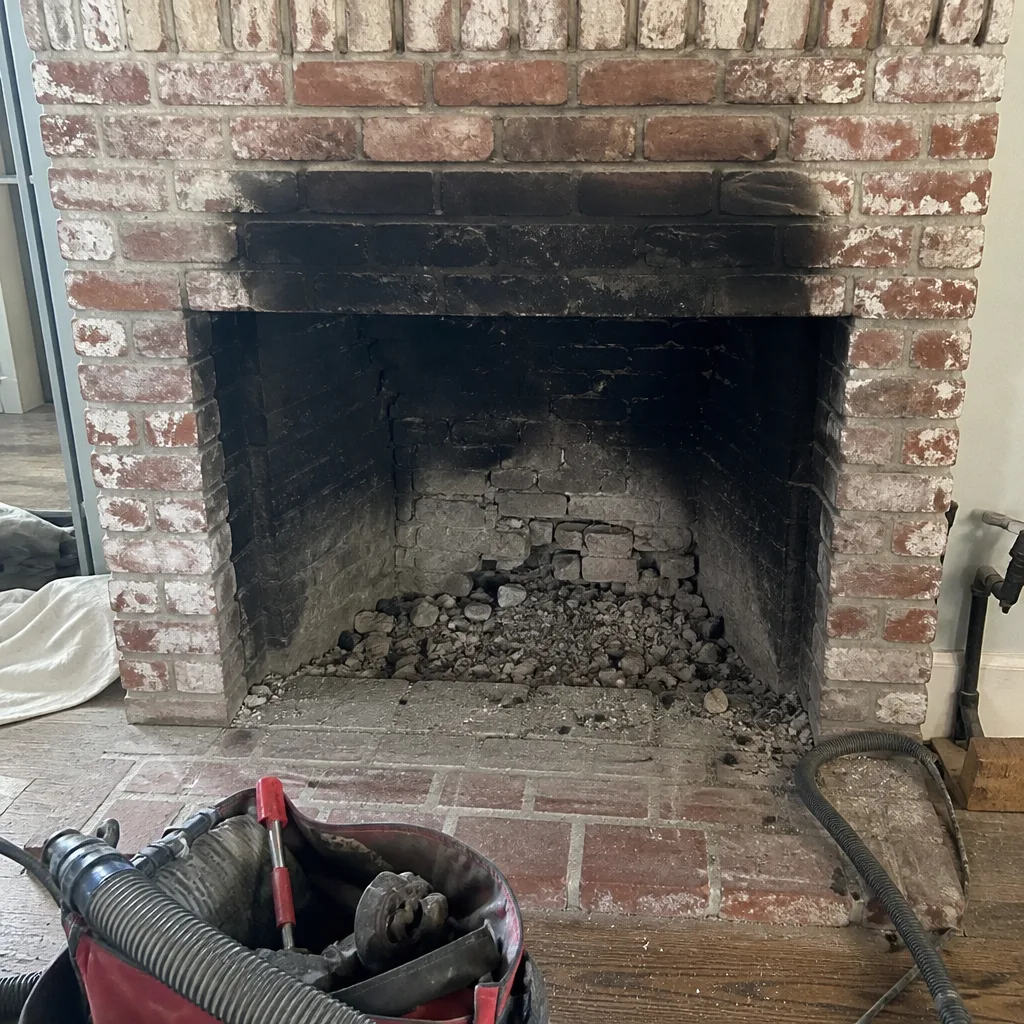
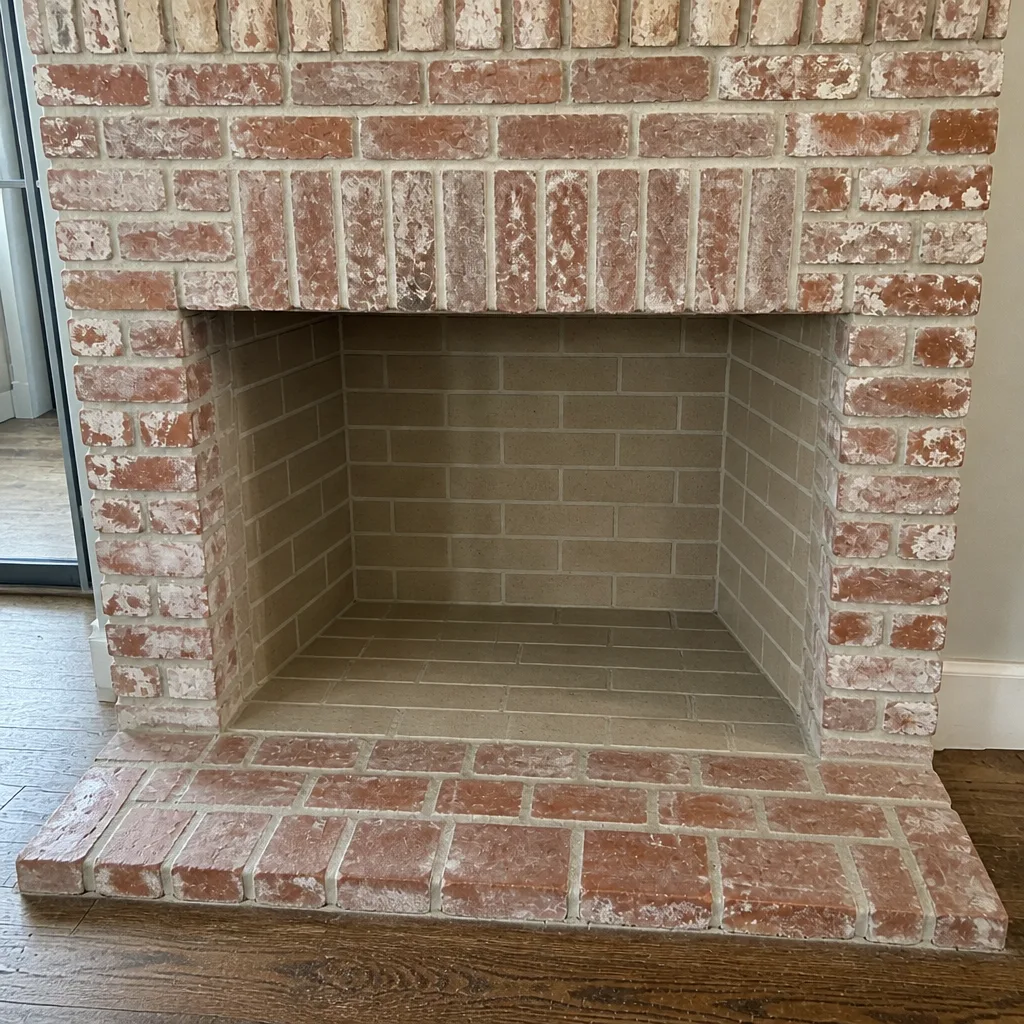
See the difference
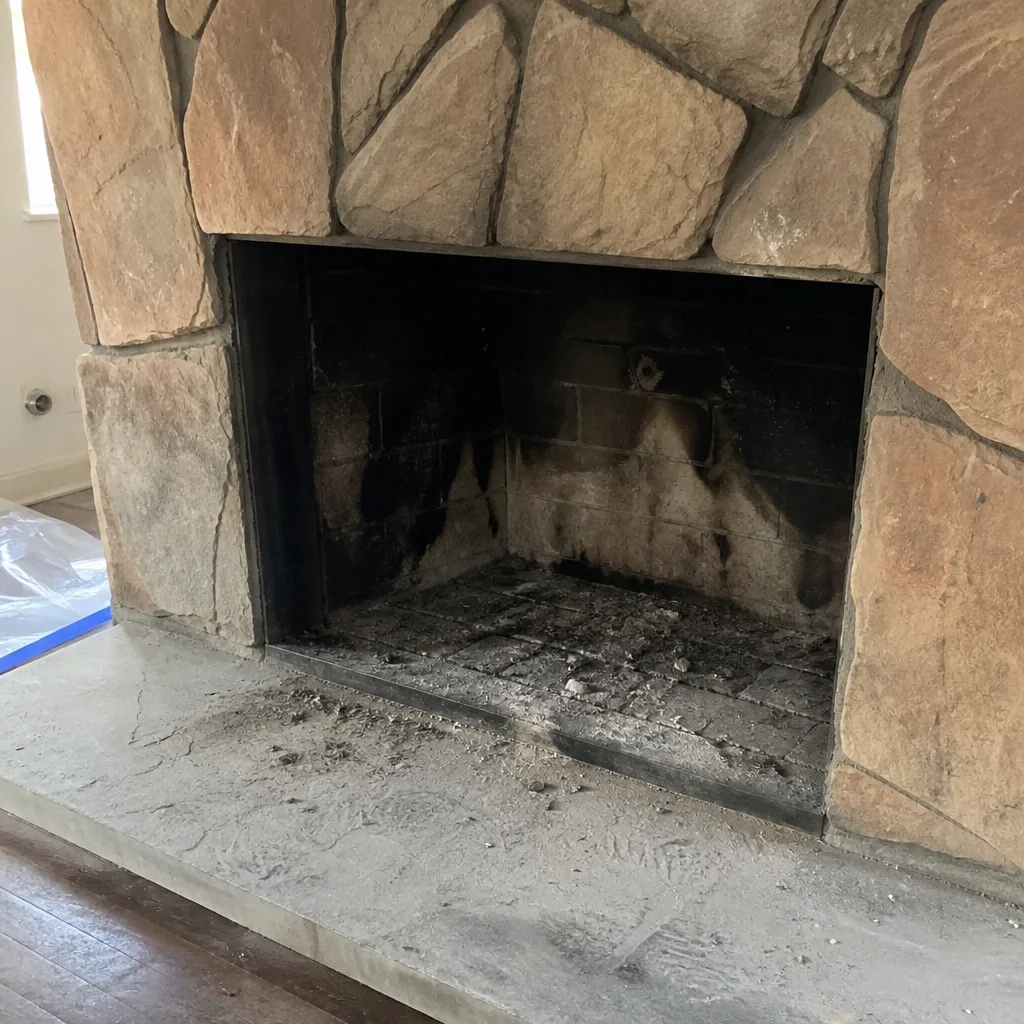 Before
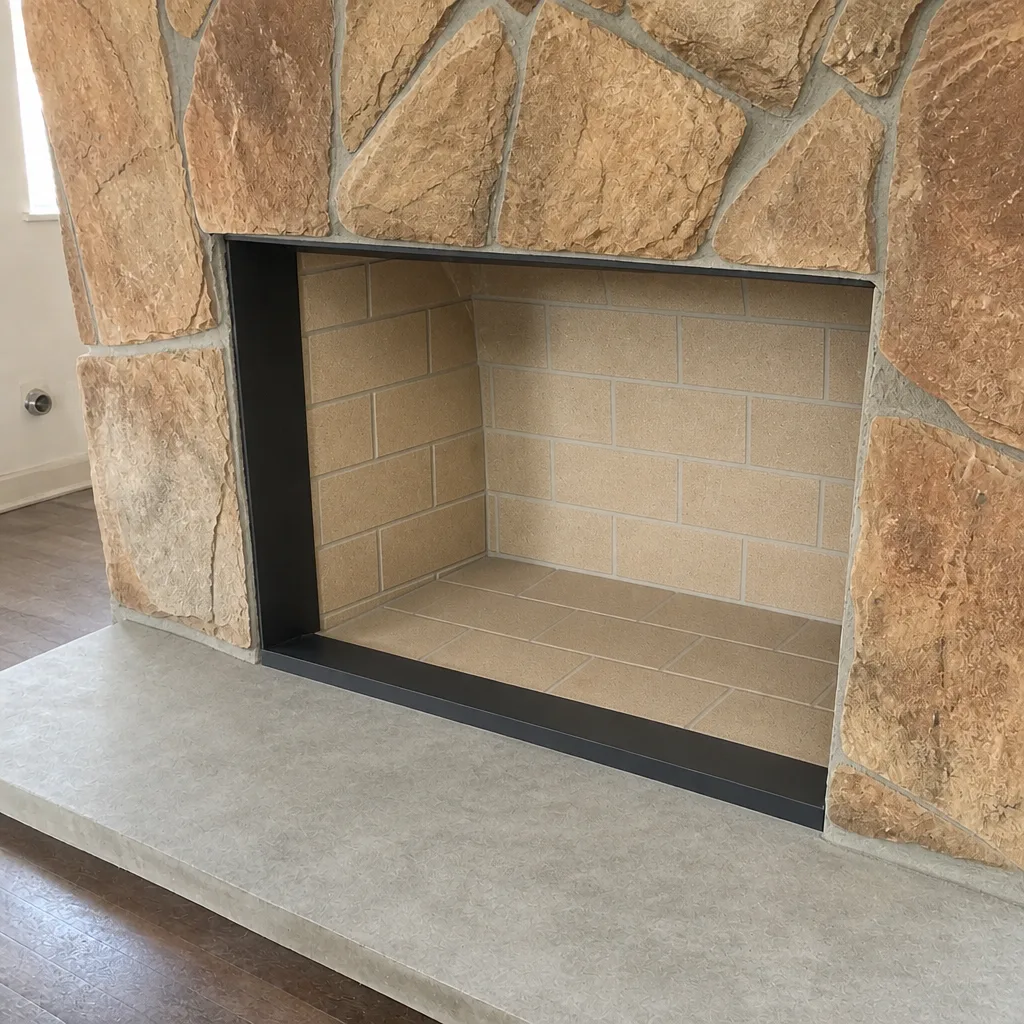 After
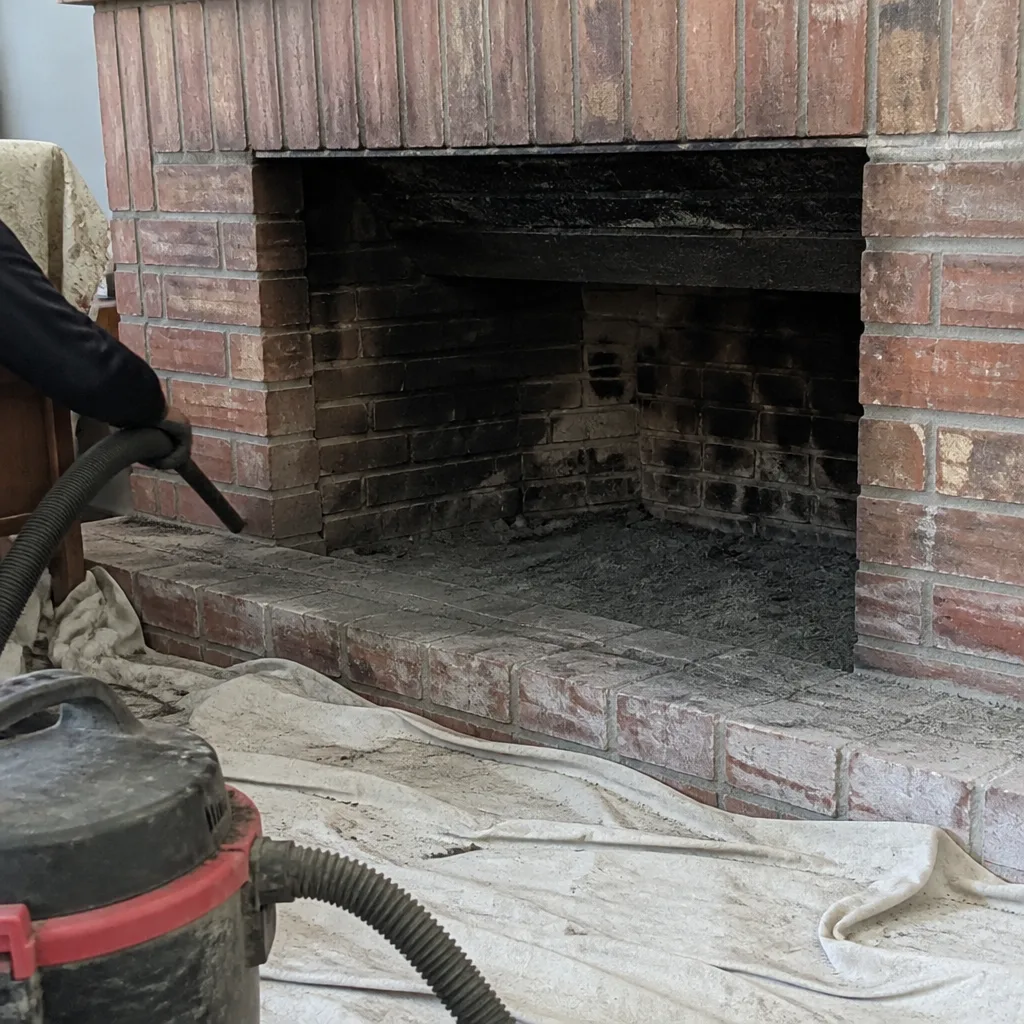 Before
 After
 Before
 After
Frequently Asked Questions
It depends on how much wood you burn. If you burn two or more cords per season, sweep once a year at minimum. If you burn more than three cords, sweep twice. If you burn occasionally, an annual sweep and inspection is still the right schedule because creosote hardens when it sits. Gas fireplaces need an annual inspection even without creosote. Call (866) 569-7136 for a free estimate. We answer 24/7.
A proper sweep checks the flue liner, creosote buildup, smoke chamber, damper, cap, crown or chase cover, and clearances to combustibles. The technician uses a camera to show you what was found. At Chimney Sweep Eastvale, the report includes photos and plain-language explanations, not just a checkbox. Call (866) 569-7136 for a free estimate. We answer 24/7.
In Eastvale, galvanized caps degrade quickly under high UV exposure. Stainless caps from Gelco or copper caps from Copperfield last many years longer and are the right choice for this climate. If your current cap is galvanized and more than two years old, start planning for replacement. Call (866) 569-7136 to have your cap checked. We answer 24/7.
Because lint is combustible and a clogged dryer vent is a fire hazard, just like a dirty chimney. Both systems move hot, particulate-laden air out of the house, and both need annual cleaning. Dryer vent cleaning is a primary service at Chimney Sweep Eastvale, not an upsell. Call (866) 569-7136 for a free estimate. We answer 24/7.
Yes. Even though Eastvale winters are mild, wood fires still produce creosote, and that creosote is the fire risk. The climate does not change the chemistry of combustion. Short, smoldering fires, which are common in mild weather, actually produce more creosote than long, hot fires. Call (866) 569-7136 for a free estimate. We answer 24/7.
Keep the written inspection report, any camera photos, and invoices for repairs or replacements that list the brand and material used. A service history supports insurance claims and becomes part of your resale disclosure when you sell your Eastvale home. Call (866) 569-7136 if you are missing records and need a fresh inspection. We answer 24/7.
The Bottom Line
Eastvale’s climate punishes galvanized caps, dries out mortar, and pushes dust into every exterior surface. A maintenance checklist that does not account for those conditions is not a checklist for this city. Check the visible components from the ground, have a professional inspect the flue and liner annually, and put the dryer vent on the same schedule as the chimney. Use frequency based on how much you burn, not a calendar, and keep every report. The goal is a clean flue, a safe fire, and a home where the chimney and the dryer vent are never a guess.
Call (866) 569-7136 for a free estimate in Eastvale. We answer 24/7. Fast dispatch from 7am to 7pm, Sunday through Friday.
Written by the team at Chimney Sweep Eastvale, serving Eastvale since 2016.