
Last updated November 4, 2026
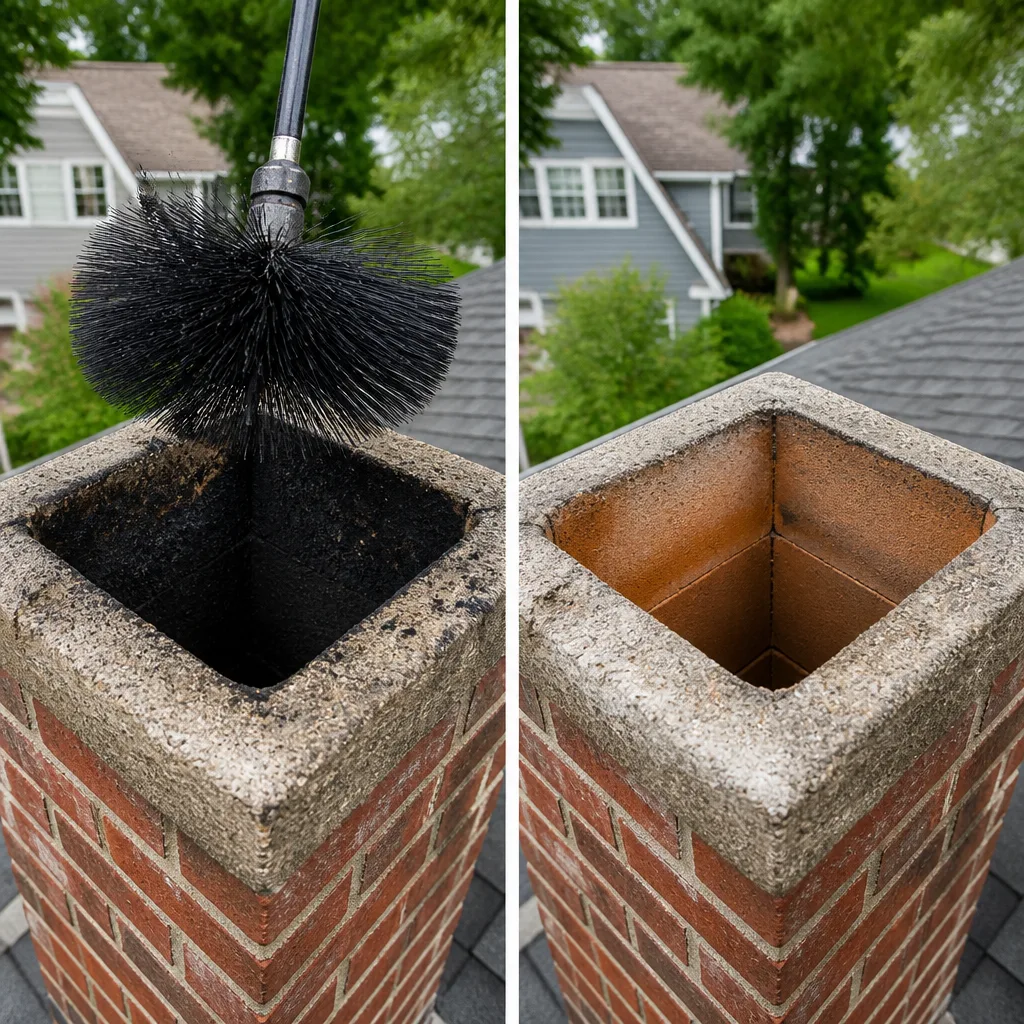 Sweep & inspection
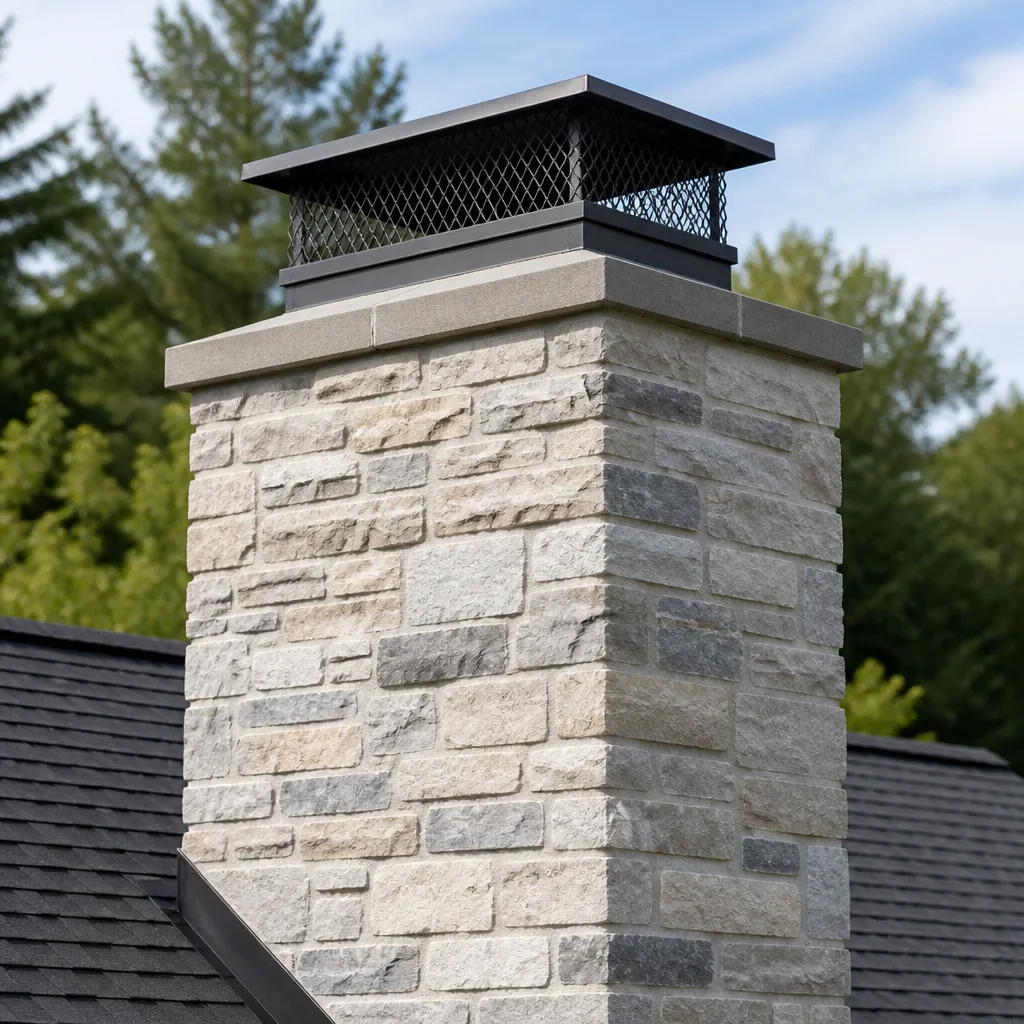 Caps & crowns
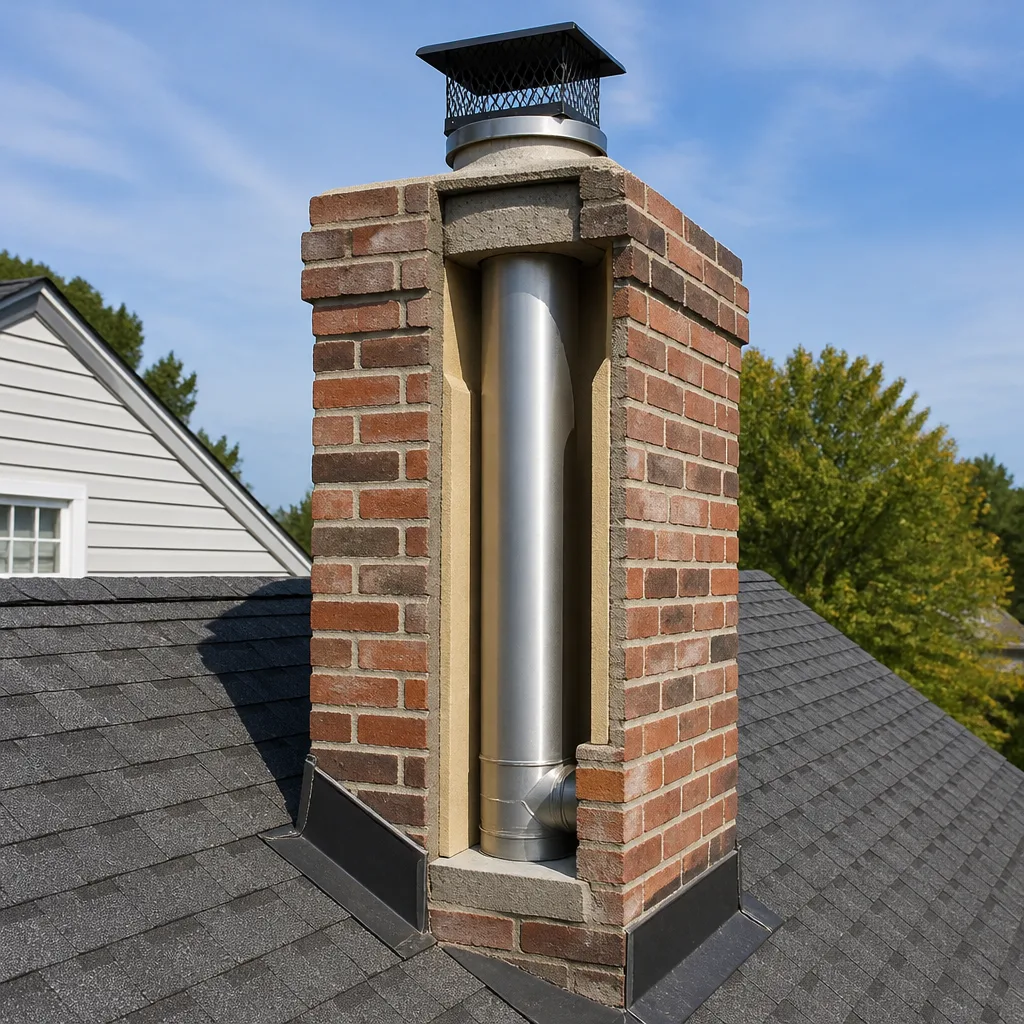 Flue relining
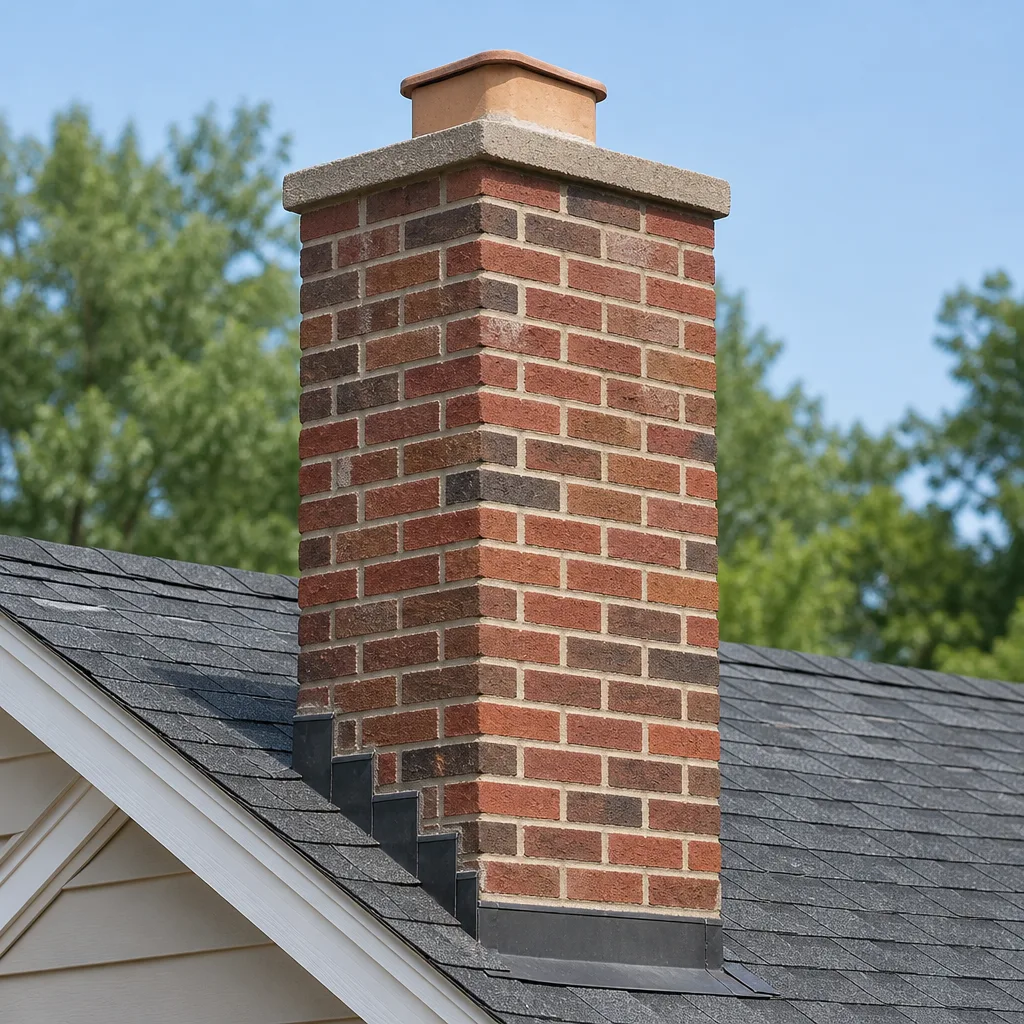 Masonry repair
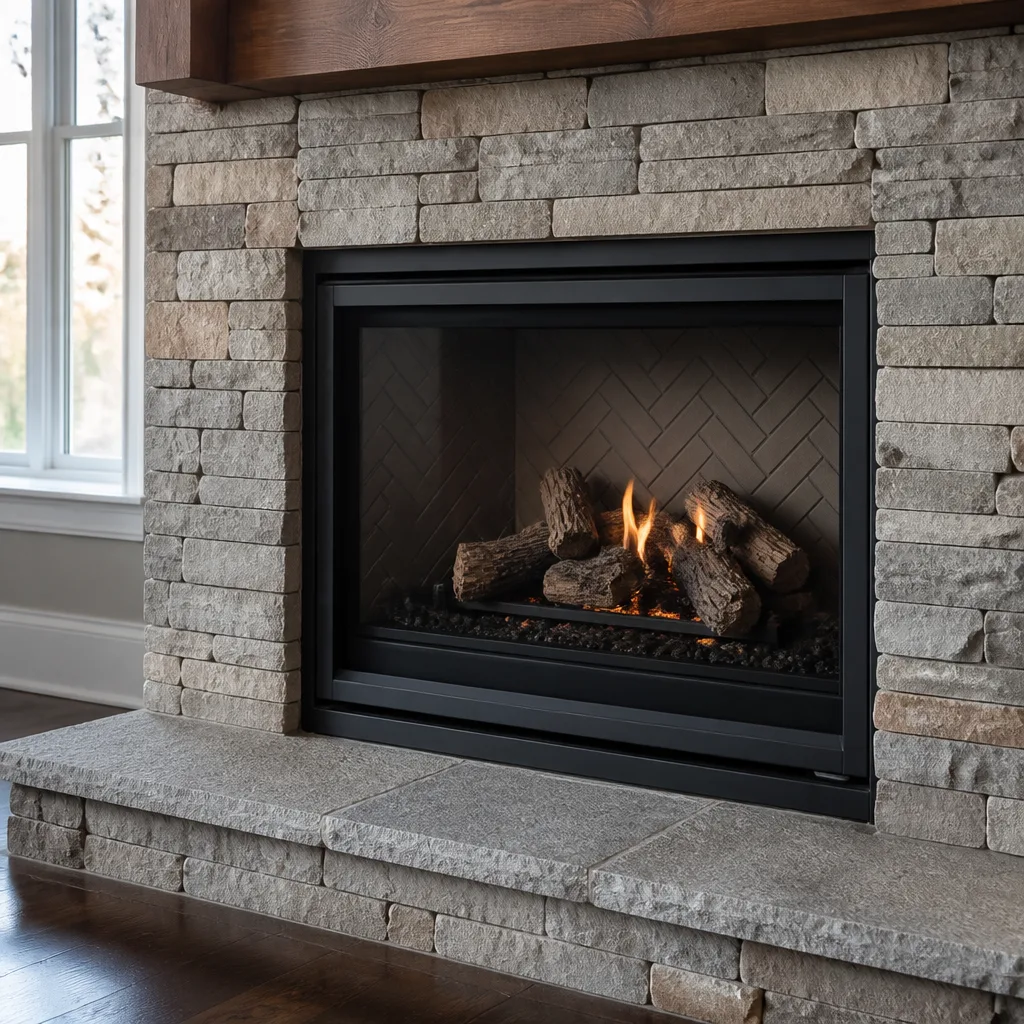 Gas fireplace service
Level 1 sweep and inspection to the NFPA 211 annual standard - flue, crown, cap, and flashing checked and photographed
Chimney sweep logs do not sweep chimneys. They loosen some creosote - which then falls where a brush and vacuum still have to collect it.
Chimney Sweep Maintenance Schedule: What to Do and When
Most homeowners in Eastvale treat chimney maintenance like an oil change: once a year, same time every year, done. The problem is that a chimney is not an engine. A gas log set used twice a year accumulates almost nothing, while a wood-burning fireplace running five nights a week from Thanksgiving through January can build creosote fast enough to matter by mid-season. What actually protects your home is matching the maintenance to the fuel type, the usage pattern, and what the last inspection found. This guide gives you the full framework we use when a homeowner asks us how often they really need a sweep, what to check themselves, and when to stop and call a professional.
Styles & brands we work with
- Sweep & inspection
- Caps & crowns
- Flue relining
- Masonry repair
- Gas fireplace service
Quick Answer
Most chimneys need a professional inspection once a year and a sweep whenever creosote buildup reaches 1/8 inch or more. Wood-burning fireplaces in Eastvale used regularly through the November-to-January window may need sweeping every 30 to 50 fires, while gas log sets and pellet inserts often run two to three seasons between cleanings. The schedule that actually keeps you safe is built on fuel type, how hot your fires burn, and what your last camera inspection showed.
Table of Contents
- The Maintenance Schedule by Fuel Type
- Why Eastvale Homeowners Should Sweep in Late Summer
- What Creosote Actually Is and How Fast It Builds
- Earthquake Inspection Triggers for Inland Empire Chimneys
- The Seasonal Checklist: What You Check vs. What We Check
- Inspection vs. Sweep: They Are Not the Same Thing
- Common Mistakes to Avoid
- When to Call a Professional
- Frequently Asked Questions
- The Bottom Line
The Maintenance Schedule by Fuel Type
The single biggest mistake we see is treating every chimney the same. A homeowner with a gas fireplace calls us because a neighbor said everyone needs a yearly sweep, and we arrive to find a flue that has barely changed since the last visit. Meanwhile, a wood burner who skips a single season can have enough glazed creosote in the flue to be one hot fire away from a chimney fire. The right schedule starts with what you burn.
Wood-Burning Fireplaces and Stoves
Wood creates creosote every single time you light a fire. There is no way around it: smoke rises, cools against the flue walls, and leaves behind a tar-like residue that hardens into layers. How fast it accumulates depends on how you burn. Hot, brisk fires with dry hardwood produce less. Smoldering, slow fires with green or soft wood produce dramatically more.
For a typical Eastvale homeowner who burns wood two or three nights a week from November through January, we recommend a sweep at the start of the burning season and a camera inspection at the end of it. That does not always mean two full sweeps a year. It means one clean flue going into winter and one set of eyes on the flue after winter to confirm what the spring and summer weather did to it. If you burn every night, or if your fires tend to be low and slow for ambience rather than heat, plan on a mid-season check after roughly 30 fires.
Here is the simple rule we give homeowners: if the creosote is the consistency of dust or light flakes, you can keep burning. If it looks like shiny tar, stop and call us. Shiny tar is third-degree creosote, and it will not brush out with standard tools. It has to be removed with special equipment and often chemical treatment.
Gas Log Sets and Gas Inserts
Gas burns far cleaner than wood. It produces no creosote because there is no unburned particulate in the exhaust. What gas chimneys accumulate instead is fine dust, spider webs, and occasionally flue tile deterioration from condensation. The schedule for a gas chimney in Eastvale is typically an inspection every year and a sweep every two to three years, depending on what the inspection shows.
That yearly inspection still matters. A gas appliance that vents improperly puts carbon monoxide into the house, and you will not see it or smell it. We look for rust in the flue, blockages at the top, damaged crown, and any sign that exhaust is not moving freely upward. The sweep itself is quick when needed, but the inspection is what protects you.
Pellet Inserts
Pellet stoves produce a fine ash that behaves differently from wood creosote. The maintenance priority on a pellet insert is ash management in the venting system. Fly ash builds up inside the liner and narrows the exhaust path, which reduces efficiency and, in severe cases, forces exhaust back into the living space.
We recommend pulling and cleaning the pellet insert vent every season it is used more than twice a month. That is usually a straightforward service, but it requires removing the vent sections and brushing them outside the home. Between professional cleanings, empty the burn pot and ash pan on the schedule the manufacturer recommends, and check the outside vent termination every few weeks during the burn season for visible ash buildup.
Why Eastvale Homeowners Should Sweep in Late Summer
Most chimney companies push spring sweeps, right after the burning season ends. The logic sounds fine: clean up the mess before you forget about it. But for an Eastvale chimney, that timing leaves your flue exposed to everything summer brings. Eastvale summers are dry, hot, and often windy. That means dust, debris, and sometimes wind-driven embers and ash from regional wildfire activity settling into an open flue. Birds build nests. Wasps build hives. A flue swept in April can be dirty again by October.
The better schedule for our climate is a late-summer or early-fall sweep, roughly August through October. That puts a clean flue in place right before the November-to-January window when fireplaces in Eastvale actually get used. It also catches any animal intrusion or water damage from the summer before it compounds during the first fires of the season.
If you did not sweep in the fall and you are reading this in November, do not wait. A chimney that has sat all summer needs a camera inspection before you light the first fire. The cost of a sweep is small compared to what a chimney fire can do to the flue liner and surrounding structure.
What Creosote Actually Is and How Fast It Builds
Creosote is the residue left behind when wood smoke condenses on the inside of a chimney. It forms in stages. First-degree creosote is a fine, powdery soot that brushes off easily. Second-degree creosote is flaky and crunchy, like dried tar. Third-degree creosote is a hardened, shiny glaze that looks like melted plastic and has baked onto the flue walls.
The dangerous part is how fast third-degree creosote can form. A homeowner who burns five or six times a winter can still end up with glazed creosote if those fires are smoldering rather than hot. Low-temperature fires produce more smoke and less draft, which means more condensation on the flue walls. Burning unseasoned wood makes it worse, as does closing the damper too far to “make the fire last.”
Here is what that means in practical terms. A chimney that gets used lightly but burns smoky, cool fires may be dirtier than one used heavily with hot, clean fires. Usage count matters, but burn quality matters more. We have pulled glazed creosote out of chimneys that the homeowner swore were barely used. The problem was never the number of fires. It was the temperature of the smoke.
If you have a wood-burning fireplace in Eastvale and your fires tend to be decorative rather than for heat, have the flue inspected before your third season of use, not your fifth. The buildup is often invisible from the firebox and only shows up on a camera pushed up the flue.
Earthquake Inspection Triggers for Inland Empire Chimneys
NFPA 211, the national standard for chimneys and fireplaces, says to inspect annually. It also says to inspect after any event that could have damaged the flue. In Southern California, that means after every significant earthquake, not just after fire season.
Chimneys are load-bearing masonry structures attached to the side of a house. During a tremor, the house and the chimney move at slightly different frequencies. That differential movement stresses the mortar joints in the chimney, the crown at the top, and the flue tiles inside. The damage is often invisible from the ground. A crown can crack open a quarter inch and let water in, and the only way to see it is from the roof. A flue tile can shift without any exterior sign at all.
For Eastvale homeowners, the practical rule is this: after any quake strong enough to rattle windows or knock things off shelves, schedule an inspection before your next fire. We run a camera up the flue and look for displaced tiles, cracked mortar, and separation where the chimney meets the house. Most inspections come back clean. The ones that don’t catch problems while they are still inexpensive to fix.
Water is the quiet follow-up to seismic damage. A cracked crown lets winter rain into the chimney chase, and that water deteriorates the mortar from the inside. By the time you see water stains on the ceiling near the fireplace, the damage has been underway for months. A post-quake inspection is cheap insurance against that progression.
The Seasonal Checklist: What You Check vs. What We Check
You do not need to climb on your roof to keep an eye on your chimney. There are simple checks any homeowner can do from the ground or from inside the house, and then there are things only a sweep’s camera and tools can reach. Here is the season-by-season breakdown.
Fall: Before Burning Season
- You check: Look up the flue from inside the firebox with a flashlight. Look for obvious blockages, debris, or animal nests. Check that the damper opens and closes smoothly. Verify the carbon monoxide detector has fresh batteries.
- We check: Camera inspection of the full flue length, crown condition from the roof, cap integrity, and clearance around the chimney chase. We remove creosote, nests, or debris and verify draft before the first fire.
Winter: During Burning Season
- You check: After each fire, note how much smoke enters the room when the door opens. A well-drafting chimney pulls smoke upward. If you are getting significant smoke in the living space, stop burning and call us. Check the outside chimney for visible smoke that looks thick or dark, which signals poor combustion.
- We check: Mid-season creosote levels for heavy wood burners, usually after 30 fires. We can often tell you over the phone whether a visit is needed based on burn habits and wood type.
Spring: After Burning Season
- You check: Look for water stains on the ceiling or walls near the fireplace. Check the exterior chimney brick or stone for spalling, which looks like flaking or popped-off faces. Note any new cracks in the mortar you can see from the ground.
- We check: Full camera inspection if you had a post-quake inspection overdue or if any winter issue went unresolved. This is also a good time to schedule dryer vent work since spring cleaning often includes the laundry room.
Summer: Off-Season
- You check: Look at the chimney cap from the ground. Is it still there? A missing cap is an open invitation to birds and wasps. Check for visible rust or missing mesh.
- We check: This is the ideal window for repairs. Crown resurfacing, flue tile repair with HeatShield, and cap replacement are all faster and cleaner in dry summer weather. Scheduling repairs in July and August means your chimney is ready for November.
Inspection vs. Sweep: They Are Not the Same Thing
A sweep is cleaning. An inspection is diagnosis. A lot of homeowners assume they are getting both when they book one, and the reality depends on the company. At Chimney Sweep Eastvale, every visit includes a camera inspection because you cannot clean what you cannot see. But a repair call or a dryer vent question is a different scope than a full chimney evaluation.
A Level 1 inspection is what happens during a routine chimney sweep: we look at the readily accessible parts of the chimney, the flue, and the appliance, and we confirm everything is in working order. A Level 2 inspection is more thorough and is required by code after a change to the system, a property sale, or an event like an earthquake or a chimney fire. It requires a camera scan of the entire flue interior.
When you call to book a sweep in Eastvale, ask what the visit includes. If the company cannot show you camera footage of your flue before and after the sweep, you are paying for a guess. We show every customer what we found because the photo is the proof. A crack in a flue tile photographed in April means something completely different than the same crack photographed in November, and you should be able to see that difference with your own eyes.
The other distinction is the dryer vent. A chimney sweep does not clean a dryer vent, and a dryer vent cleaning company does not sweep chimneys. We handle both because the fire-safety logic is the same, and a homeowner should not need two vendors for one category of work. The ductwork, the exhaust path, and the failure mode are different, but the principle is identical: remove the flammable accumulation before it becomes a fire.
Common Mistakes to Avoid
- Assuming a gas fireplace never needs service. Gas appliances do not create creosote, but they still vent exhaust through a flue that can crack, clog, or condense. An annual inspection is the only way to confirm the path is clear.
- Burning unseasoned wood to save money. Wet or green wood burns cool and smoky, which builds creosote faster than any other variable. The money saved on firewood gets spent several times over on more frequent sweeps and, worse, on repairing heat-damaged flue tiles.
- Scheduling sweeps in spring out of habit. A spring sweep in Eastvale means your chimney sits exposed all summer. Late-summer or early-fall sweeps put a clean flue in place right before the burn season starts.
- Ignoring the smoldering-fire warning sign. If your glass doors are blackening quickly or you smell smoke in the house after the fire is out, your draft is weak or your creosote is thick. Do not wait until the end of the season to find out which.
- Skipping the post-earthquake inspection. A tremor that does not crack your drywall can still crack your crown. The chimney is separate from the house, and it moves independently. After any quake strong enough to rattle cabinets, have it looked at.
- Thinking a chimney cap is optional. It is not. A missing cap lets in rain, wind-blown debris, birds, and wasps. Every one of those creates a problem that costs more to fix than the cap costs to replace.
- Using the fireplace as a trash incinerator. Never burn wrapping paper, cardboard boxes, or pine needles. They create large, fast-moving embers that can ignite built-up creosote before the flue has time to handle the temperature spike. Only burn dry, split hardwood.
When to Call a Professional
You should call a chimney professional when the fireplace starts behaving in ways it did not behave before. Smoke entering the room, a persistent odor even when there has been no fire for days, visible water stains near the chimney, a flue that has not been looked at in more than two years, or any earthquake strong enough to rattle windows are all reasons to schedule an inspection. If you burn wood heavily and are past the 30-fire mark without a sweep, book one before the next fire rather than after it.
If you use a gas fireplace, any change in flame color toward yellow or orange, any soot on the glass that appears suddenly, or any carbon monoxide detector that sounds for no obvious reason should prompt a call the same day. Chimney Sweep Eastvale offers free estimates in Eastvale. Call (866) 569-7136. We answer 24/7. Fast dispatch from 7am to 7pm, Sunday through Friday.
Frequently Asked Questions
A wood-burning chimney used regularly through the winter months should be swept at least once a year, and more often if you burn more than two or three nights a week or if your fires tend to smolder. Gas fireplaces typically need a sweep every two to three years, with an annual inspection to confirm the venting system is intact. For Eastvale homeowners, the best time for that annual sweep is late summer or early fall, before the November-to-January burning window.
Yes, because the chimney is still exposed to Eastvale weather, wildlife, and seismic movement even when the fireplace is cold. An unused chimney can develop crown cracks, flue tile displacement, or animal nests that create danger when you eventually light a fire. The inspection is cheap, and it catches problems while they are still small. Call (866) 569-7136 and ask about a camera inspection.
You risk a chimney fire, carbon monoxide exposure, or water damage to the chimney structure, depending on what is wrong. Creosote buildup is the most common chimney fire cause. A blocked or cracked flue can push carbon monoxide into the living space. A cracked crown lets water into the chimney, which deteriorates the mortar and can require a full liner replacement if ignored long enough. None of these are visible from the couch, and all of them are preventable.
Yes, especially if those fires are smoldering and low-temperature. Glazed creosote can form in a surprisingly short time when fires burn cool and smoky. The number of fires matters less than their quality. A homeowner who burns five slow, damp fires can create more creosote than one who burns fifteen hot, clean ones. A camera inspection is the only way to know for sure.
A camera inspection shows the type and extent of damage. Minor flue tile deterioration can often be repaired with HeatShield resurfacing, which we apply directly to the existing flue rather than tearing out and replacing it. That kind of repair is code-recognized and significantly less invasive than a full reline. We specify HeatShield and DuraFlex because they are contractor-grade materials, not hardware-store substitutes, and because they match the actual condition of your flue rather than a one-size-fits-all answer.
Not exactly. A dryer vent should be cleaned whenever drying time starts to creep upward or at least once a year for a household that does several loads a week. We offer dryer vent cleaning as a primary service because the same fire-safety logic applies: a blocked exhaust path is a fire waiting for a spark. The schedule is different from a chimney, but the principle is the same, and one call covers both.
The Bottom Line
A single annual sweep is the floor, not the ceiling. Wood burners need more frequent attention than gas fireplace owners. Eastvale’s climate means late-summer scheduling beats spring cleaning. Earthquakes are a standing reason to inspect, regardless of how clean the flue was last fall. And the single most useful habit is to trust what the camera shows rather than what a calendar says. If you have not had your flue inspected recently, or if you are not sure when it was last swept, call (866) 569-7136 for a free estimate. We answer 24/7. Fast dispatch from 7am to 7pm, Sunday through Friday.
Written by the team at Chimney Sweep Eastvale, serving Eastvale since 2016.
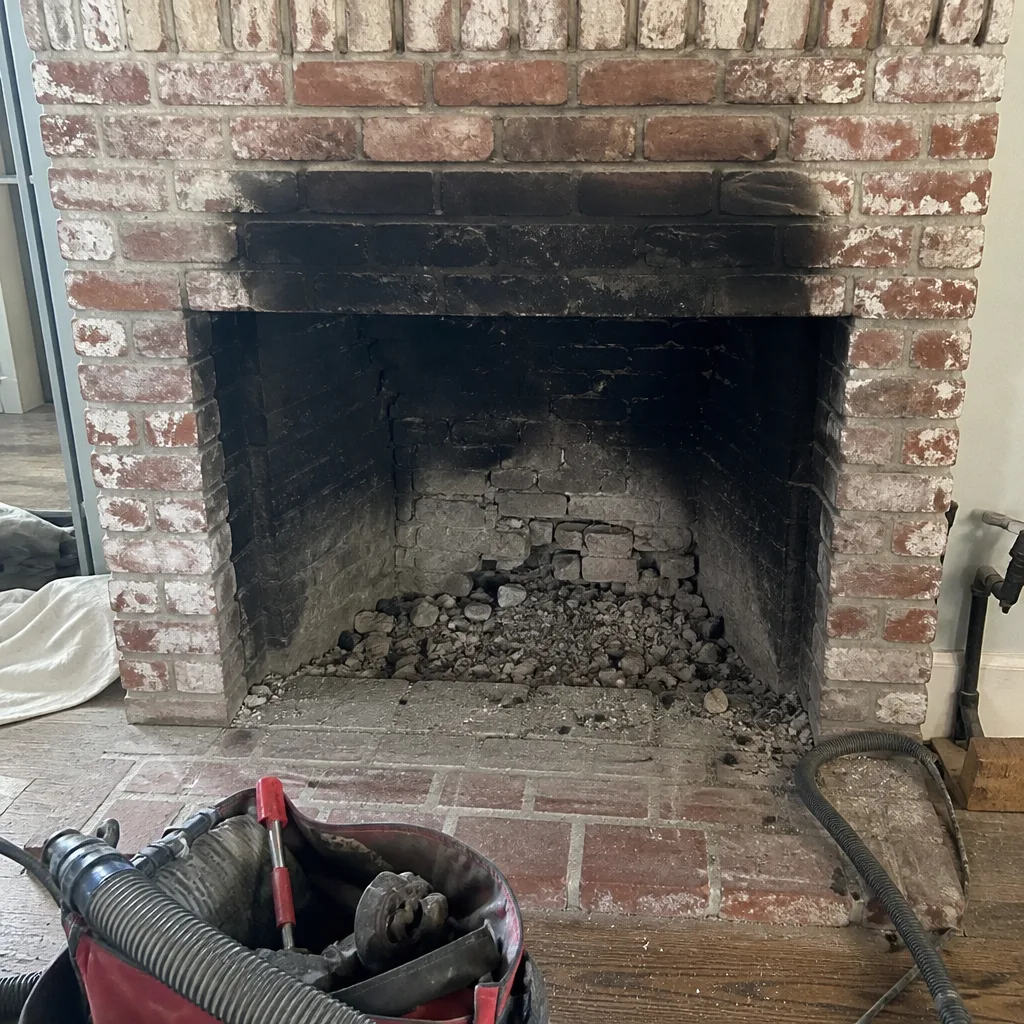
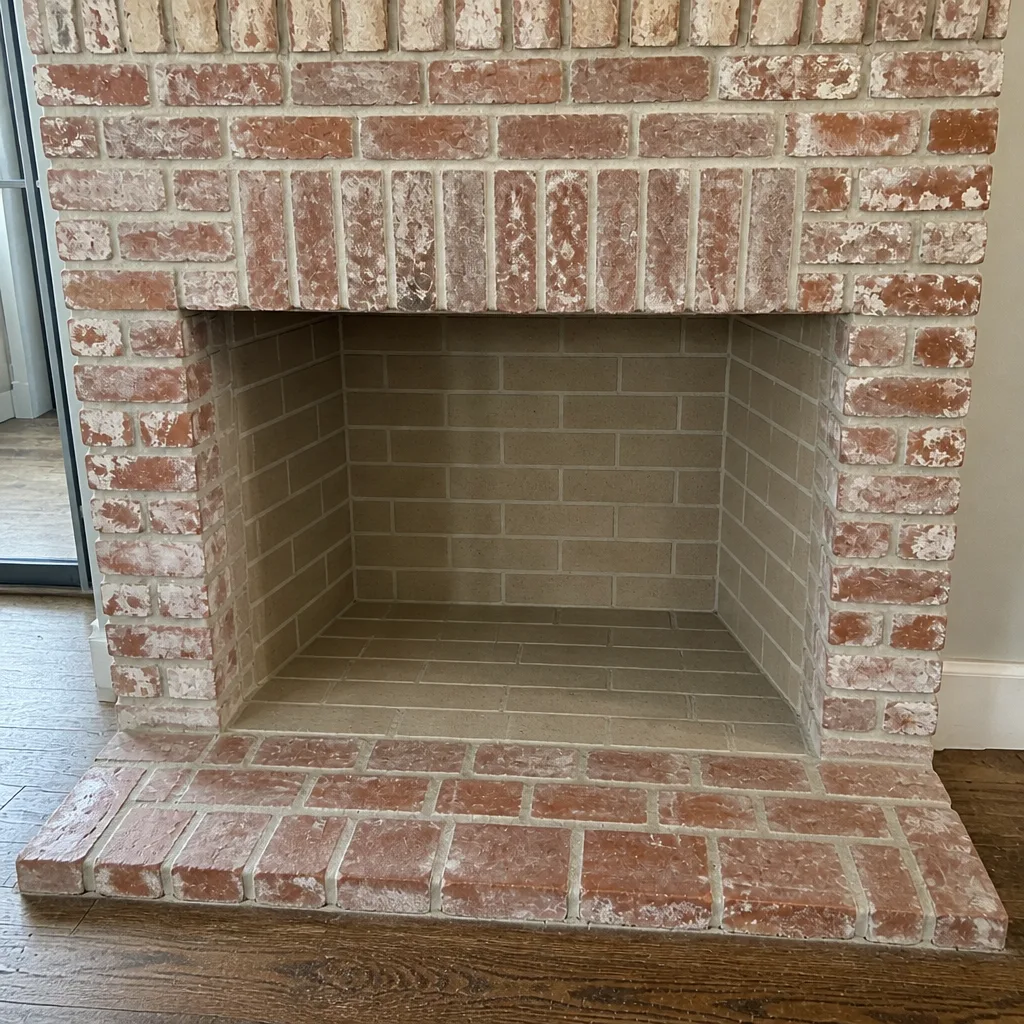
See the difference
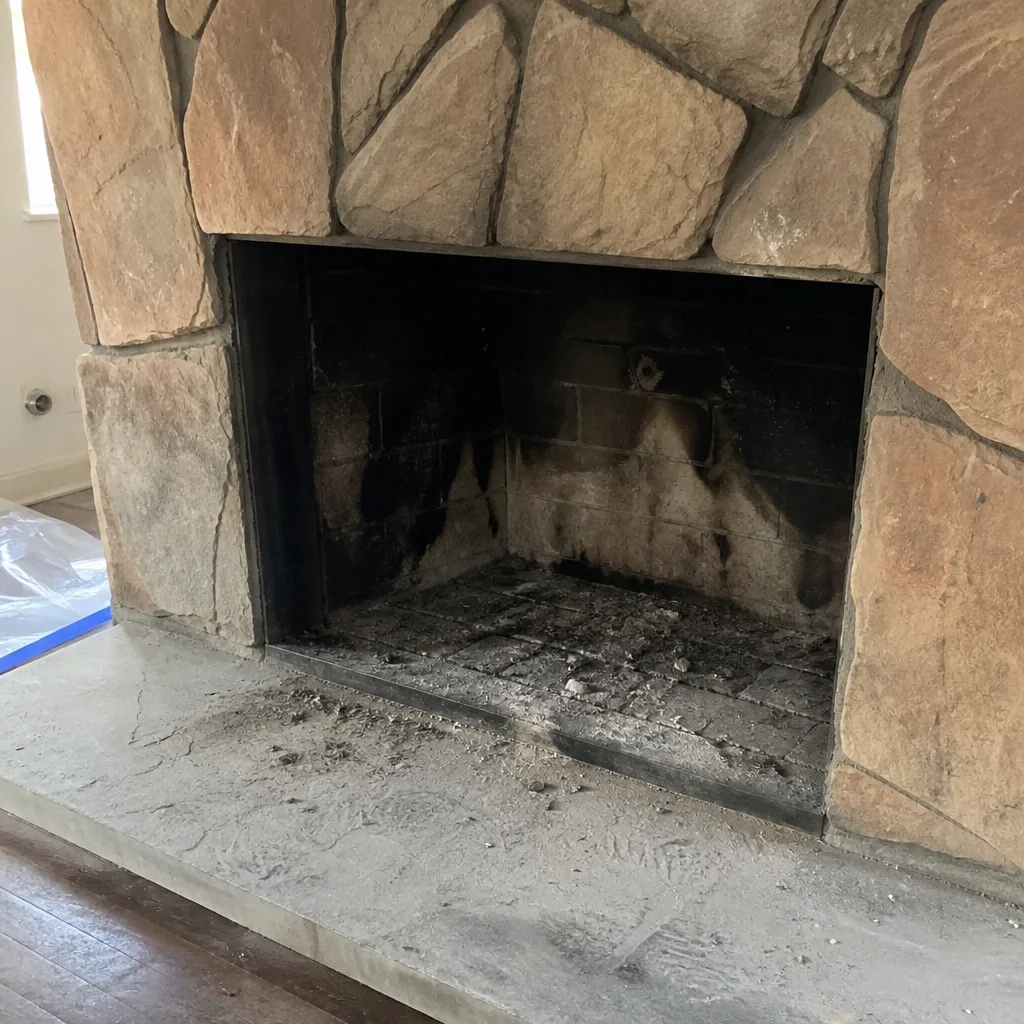 Before
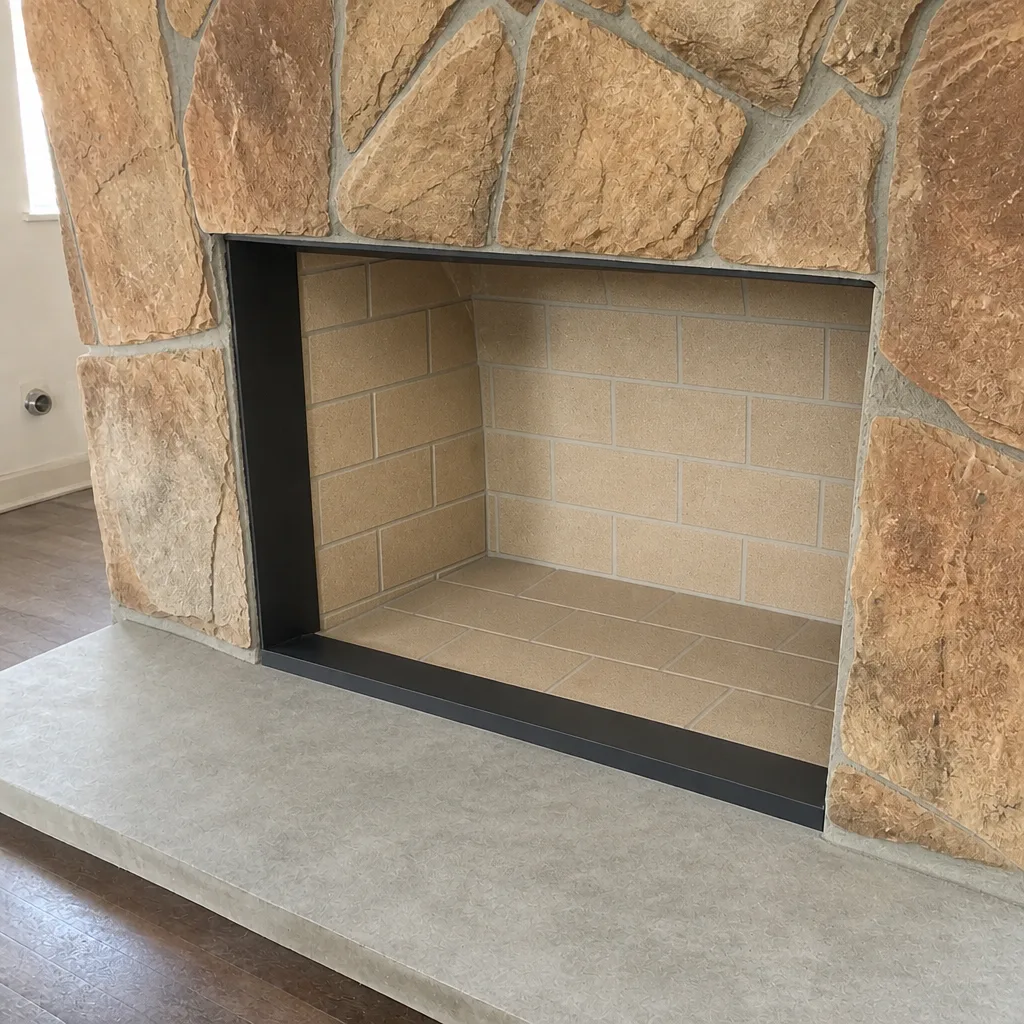 After
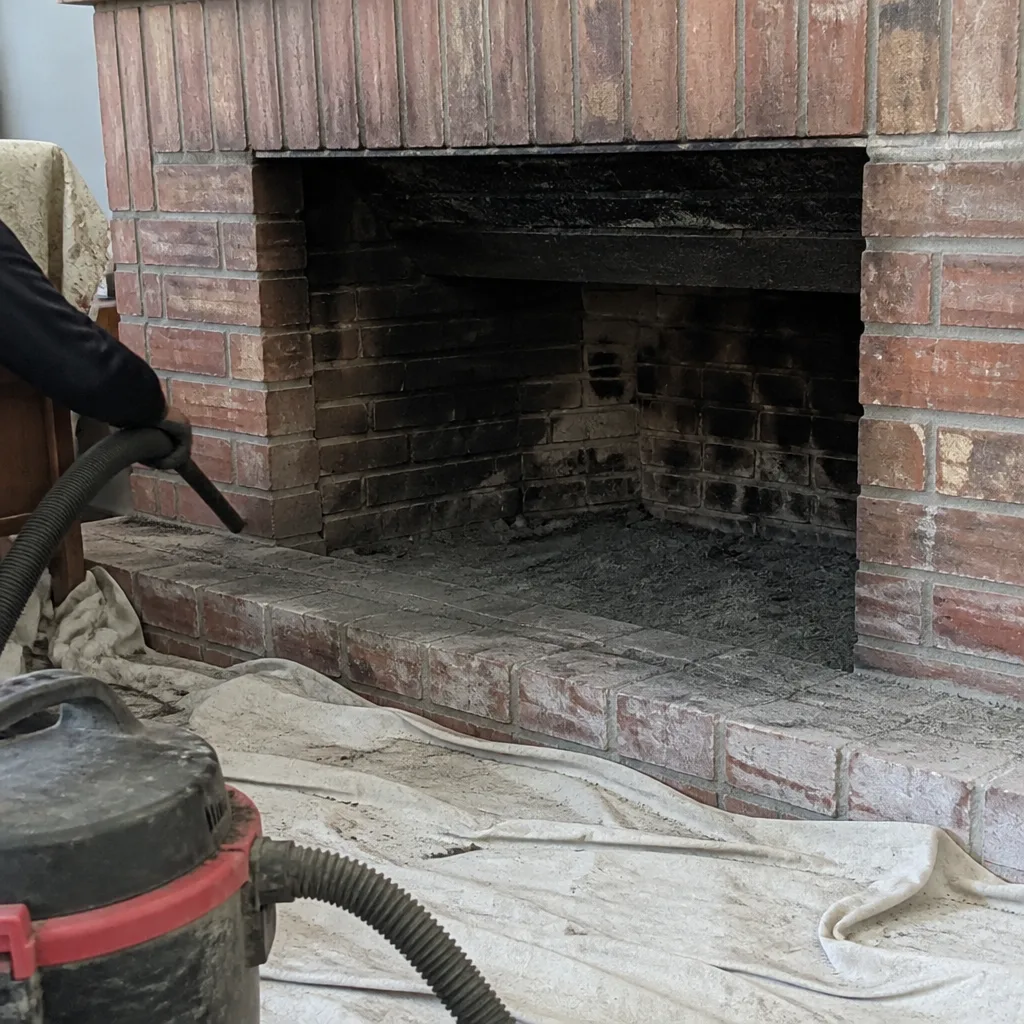 Before
 After
 Before
 After