
Last updated November 4, 2026
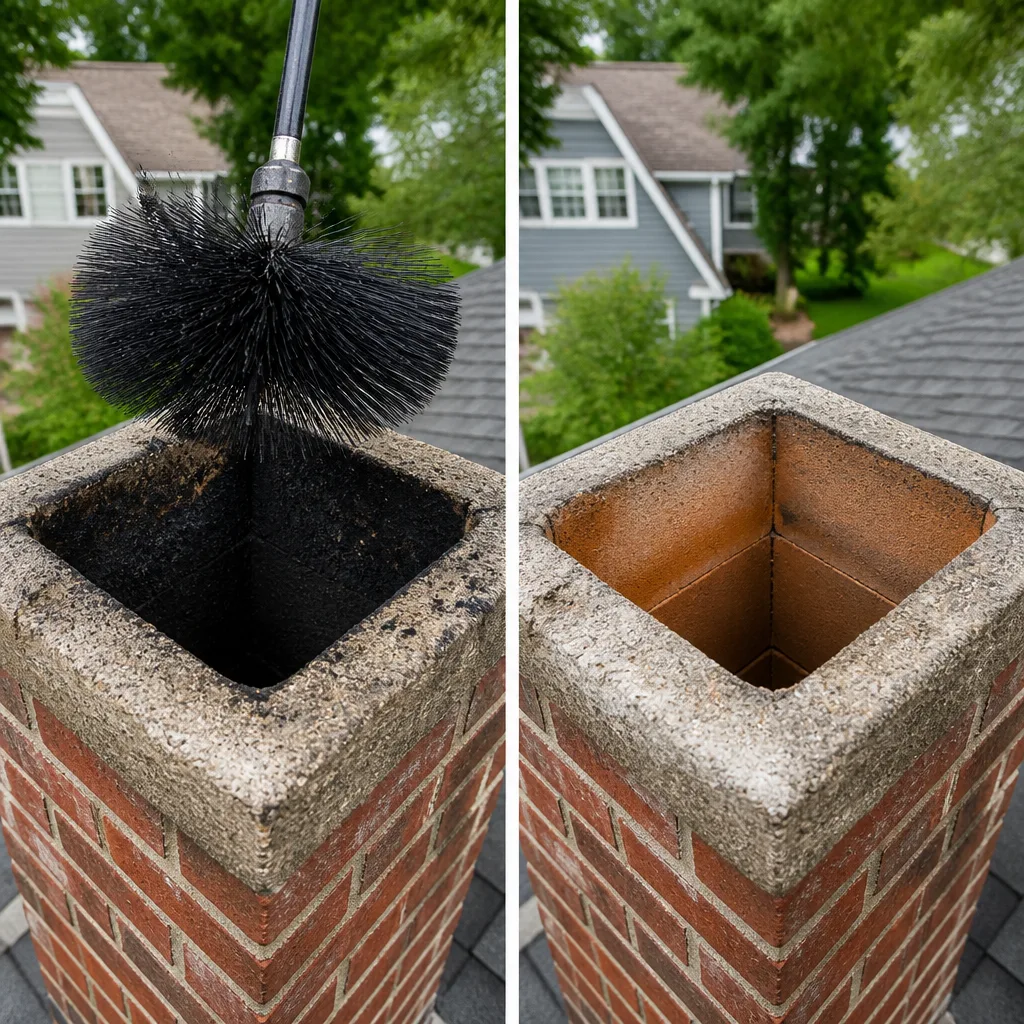 Sweep & inspection
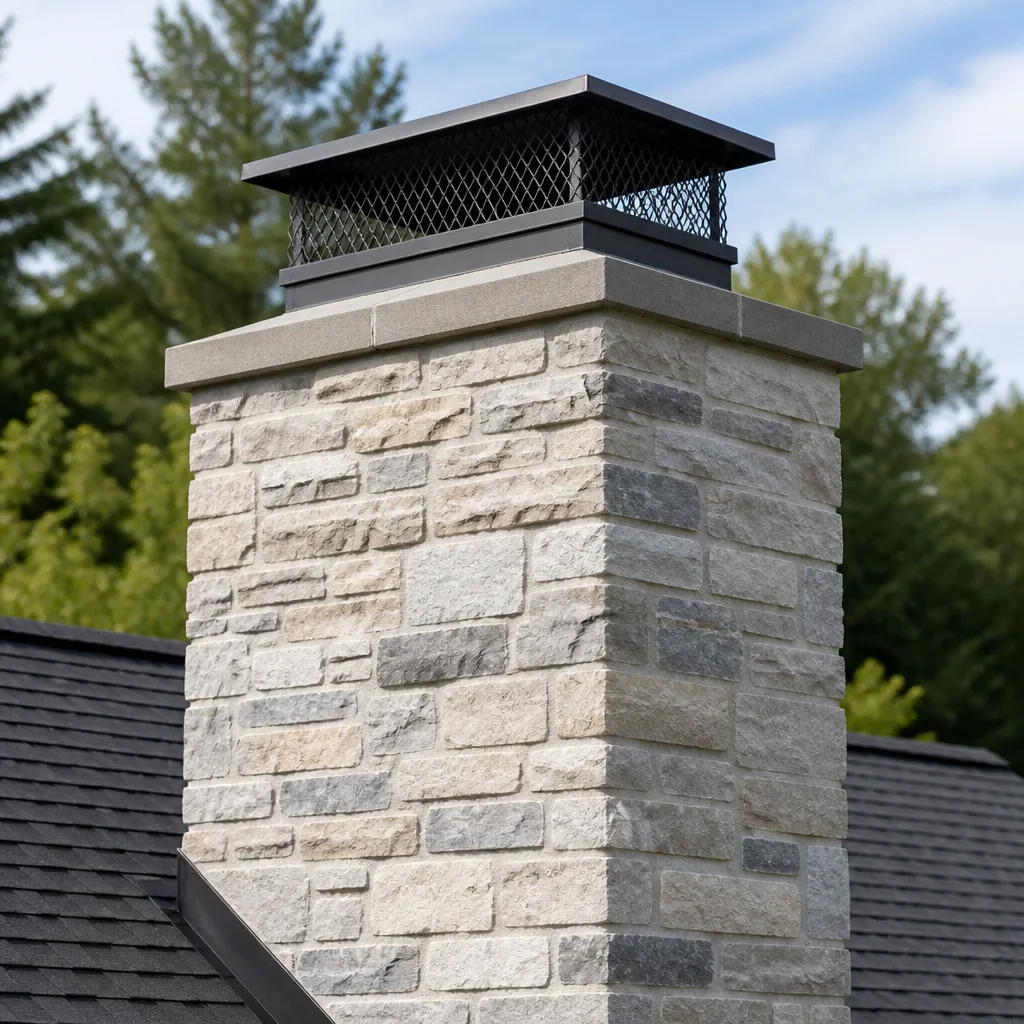 Caps & crowns
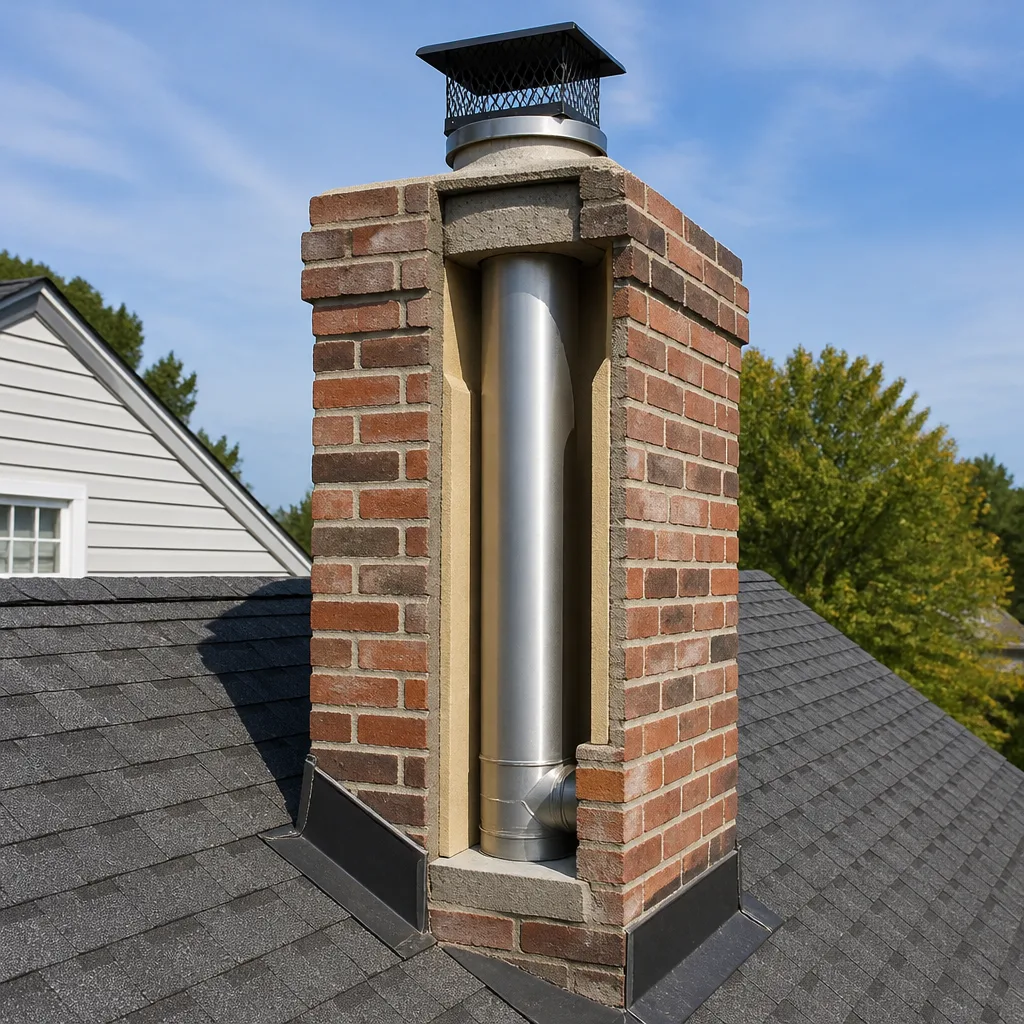 Flue relining
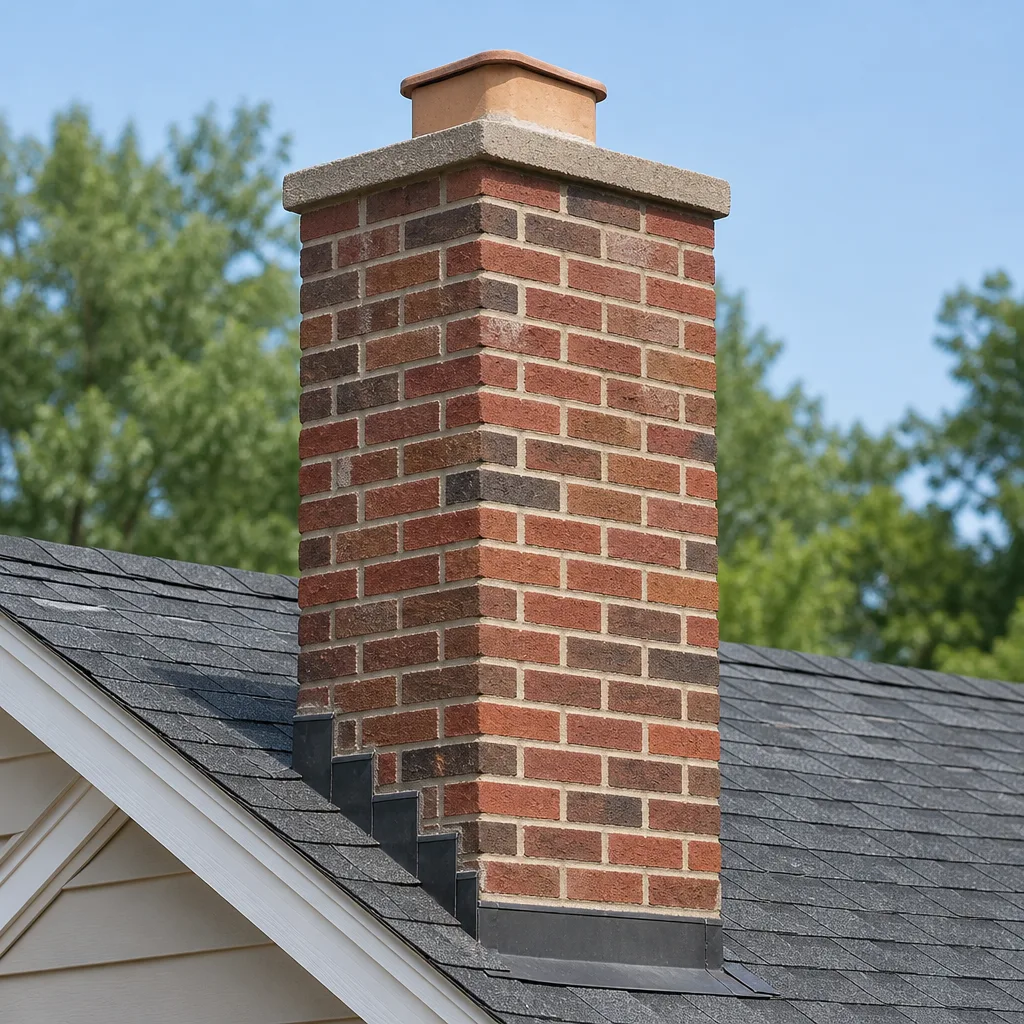 Masonry repair
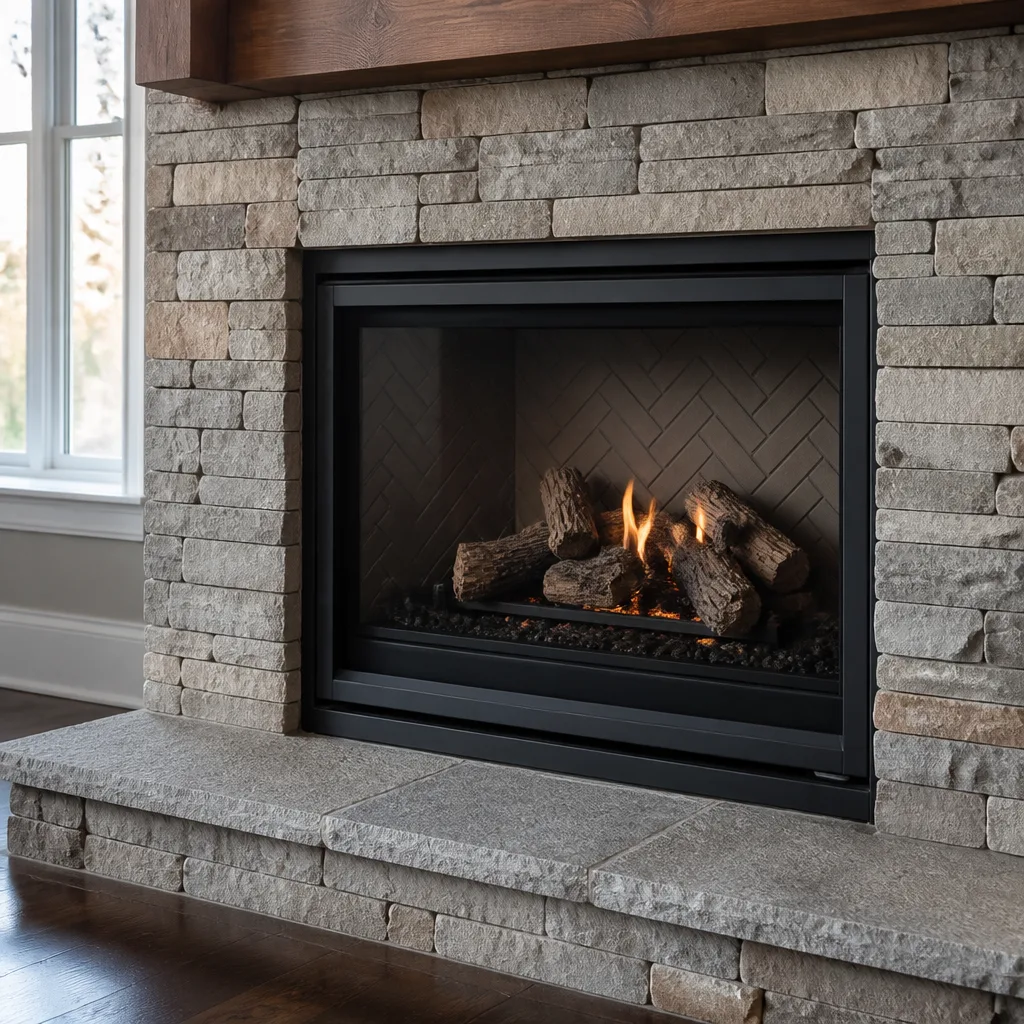 Gas fireplace service
Level 1 sweep and inspection to the NFPA 211 annual standard - flue, crown, cap, and flashing checked and photographed
Chimney sweep logs do not sweep chimneys. They loosen some creosote - which then falls where a brush and vacuum still have to collect it.
Chimney Sweep Troubleshooting in Eastvale: Common Problems and How to Fix Them
If your fireplace smokes into the room only on windy days but drafts fine otherwise, the problem almost certainly isn’t your chimney at all – it’s negative house pressure, and no amount of sweeping will fix it. Most chimney symptoms homeowners notice in Eastvale – smoke rollback, slow drafts, mystery odors – trace back to one of five mechanical causes. Knowing which one you’re dealing with determines whether the fix is a zero-dollar damper adjustment or a full liner repair. This guide walks through each symptom like a diagnostic checklist, not a sales pitch, so you can make an informed decision before anyone picks up a brush.
Quick Answer
Chimney problems in Eastvale homes typically stem from one of five mechanical causes: negative house pressure, a cold flue, creosote buildup, a damaged or missing damper, or structural flue deterioration. The right fix depends entirely on which cause you’re dealing with – a sweep solves creosote, but it won’t fix negative pressure. Start by identifying the symptom, then match it to the cause before spending money on a repair.
Styles & brands we work with
- Sweep & inspection
- Caps & crowns
- Flue relining
- Masonry repair
- Gas fireplace service
Table of Contents
- Smoke Rollback: The Most Common Eastvale Complaint
- Negative House Pressure: When the Chimney Isn’t the Problem
- Cold-Flue Downdraft: A Southern California Specific
- Creosote Buildup: What It Looks Like and Why It Matters
- Mystery Odors: Tracking the Source
- Level 1, Level 2, Level 3: Knowing What Inspection You Need
- Go/No-Go: What You Can Fix Yourself vs. What Needs a Pro
Smoke Rollback: The Most Common Eastvale Complaint
Smoke rollback is exactly what it sounds like: you light a fire, and instead of drawing up the flue, the smoke curls back into the living room. In our experience working on chimneys across Eastvale, this is the single most common reason homeowners call us. The cause is rarely what people assume. A dirty flue can contribute, but the real culprit is usually airflow – specifically, the relationship between your chimney and the rest of the house.
Think of your chimney as a straw. It only pulls air up when the pressure inside the house pushes air toward it. If something else in the home is competing for that air – a kitchen exhaust fan, a bathroom vent, even a leaky attic hatch – the chimney loses. The smoke has nowhere to go but back into the room. Before you schedule a chimney sweep, check what else was running when the smoke rolled back. You might find the answer in your range hood.
Step-by-Step: Diagnosing Smoke Rollback
- Note the conditions. Was the kitchen exhaust on? A bathroom fan? The clothes dryer?
- Open a window. Crack a window near the fireplace about 2 inches and try lighting again.
- Check the damper. Make sure it’s fully open before you light anything.
- Feel for reverse airflow. Hold a lit match or lighter just inside the fireplace opening. If the flame pulls toward you, the chimney is drafting backward.
If steps 1 – 3 solve the problem, you’ve just fixed it without spending a dollar. If the flame still pulls toward you with all fans off and a window open, the issue is in the flue itself – and that’s when a camera inspection tells you what’s actually going on.
Negative House Pressure: When the Chimney Isn’t the Problem
Modern Eastvale homes are built tighter than older ones. That’s good for energy efficiency, but it creates a side effect most homeowners never think about: the house can’t breathe. When you run a kitchen exhaust fan, a bathroom vent, or even a central vacuum, those appliances pull air out of the living space. If no replacement air comes in, the house goes negative. The easiest path for outside air to rush in is often the chimney – which means your fireplace becomes an intake vent instead of an exhaust.
The stack effect makes this worse in two-story Eastvale homes. Warm air rises, escapes through recessed can lights, attic hatches, and other ceiling penetrations. That rising warm air leaves a vacuum below, and the chimney gets drafted into service as the fresh-air inlet. The smoke from your fire follows the path of least resistance – which is now straight back into your face.
How to Confirm Negative Pressure
- Run the kitchen exhaust on high and hold a tissue near the fireplace opening. If the tissue flutters toward you, the house is depressurized.
- Turn on a bathroom fan upstairs and check the draft again. Upstairs exhaust aggravates stack effect.
- Notice whether the smoke rollback happens only when the house is closed up. If opening a window fixes it, negative pressure is confirmed.
The permanent fix is to provide makeup air. Some Eastvale homes benefit from a dedicated fresh-air vent, while others do better with a damper that seals tightly when the fireplace isn’t in use. A chimney professional can test your house pressure and recommend the right setup – without pushing a sweep you don’t need.
Cold-Flue Downdraft: A Southern California Specific
Eastvale’s mild winters mean something counterintuitive for fireplaces: they sit unused for long stretches. A chimney that hasn’t been used in weeks or months holds a column of cold, dense air. When you light a fire underneath that column, the cold air sinks instead of rising. The result feels like a draft problem, but it’s really just physics. The flue needs to warm up before it starts pulling.
We see this all the time in Eastvale – the first fire of the season smokes, the homeowner assumes something broke, and the fix turns out to be a two-minute warm-up procedure. Here’s what we tell people to try before calling us:
- Open the damper fully. Confirm you can feel cold air dropping from above.
- Prime the flue. Roll a sheet of newspaper into a torch, light it, and hold it up near the damper for 30 to 60 seconds. This warms the air column and reverses the draft.
- Light kindling first. Start with small, fast-burning material before adding logs. Give the flue time to establish upward flow.
- Wait for draw. Hold a lighter near the opening. When the flame pulls toward the flue, you’re ready for the fire.
This procedure fixes cold-flue downdraft nearly every time. If it doesn’t – if smoke still rolls back after a full minute of priming – you’re likely dealing with a different cause, like a partial blockage or structural narrowing. That’s the line where a professional assessment becomes the right next step.
Creosote Buildup: What It Looks Like and Why It Matters
Creosote is the black or brown residue that condenses inside a chimney when wood smoke cools before it exits. Every wood fire produces it. The question is how much accumulates and how quickly. In Eastvale, where many fireplaces burn soft woods or manufactured logs, creosote can build up in a single season if the fire smolders at low temperature. High-heat fires produce less; smoldering fires produce more.
There are three stages of creosote, and they matter for very different reasons:
- Stage 1: Flaky, soot-like residue. A standard chimney sweep removes this easily with brushes.
- Stage 2: Crunchy, tar-like glaze. Harder to remove; may require rotary tools or chemical treatment.
- Stage 3: Hardened, shiny glaze. This is the dangerous kind. It’s condensed fuel coating the flue walls, and it requires aggressive mechanical removal or resurfacing.
Stage 3 creosote is why we specify HeatShield on some Eastvale jobs. When the creosote has damaged the flue tile itself – not just coated it – sweeping alone won’t restore a safe surface. HeatShield resurfacing rebuilds the flue interior without a full liner replacement. It’s a product designed for this exact problem, and it’s one of the reasons we keep it on the truck instead of reaching for a hardware-store workaround.
How often should you sweep? For a wood-burning fireplace used regularly through the season, once a year is the standard. If you burn soft woods or manufactured logs, check more often – the creosote builds faster than you’d expect. A visual inspection with a flashlight can tell you the stage, but only a sweep confirms what’s hidden above the damper line.
Mystery Odors: Tracking the Source
Chimney odors fall into two broad categories: what you smell during the fire and what you smell when the fireplace is cold. They point to different causes, and mixing them up leads to the wrong fix.
Odors When the Fireplace Is Cold
If you notice a smoky or musty smell coming from the fireplace in the middle of summer – common in Eastvale, where cool mornings follow warm afternoons – the usual culprit is air moving down the flue and carrying creosote odor with it. The fix is often as simple as cleaning the flue and installing or repairing a top-sealing damper. A chimney cap with a proper screen also helps by keeping out leaves, birds, and the organic material that rots and stinks.
Odors During the Fire
If you smell something burning that doesn’t smell like wood – acrid, chemical, or unusually sharp – stop using the fireplace and get it inspected. That’s often the smell of Stage 3 creosote igniting in short bursts, or worse, the smell of something in the flue that shouldn’t be there. Nesting material from birds or rodents burns fast and hot, and it can send embers onto the roof. A camera inspection shows what’s inside without guesswork.
For dryer vent odors, the logic is similar but the location is different. A musty smell from the laundry area usually means trapped lint that’s wicking moisture and growing mold. Our dryer vent cleaning service addresses that at the source – the vent run itself, not just the lint trap.
Level 1, Level 2, Level 3: Knowing What Inspection You Need
The chimney industry uses three inspection levels, and understanding the difference saves you from paying for more than you need – or less than the situation demands. Here’s how we apply each level on Eastvale homes.
Level 1: Routine and Accessible
A Level 1 inspection covers the readily accessible parts of the chimney and flue. If you haven’t changed anything about the fireplace – same fuel, same usage pattern, no known problems – this is what you book alongside a standard chimney sweep. The technician checks the damper operation, the visible flue interior, and the basic condition of the chimney exterior from the ground or roof.
Level 2: Change, Sale, or Event
A Level 2 inspection includes everything in Level 1 plus a camera scan of the full flue interior. You need this when: you’re buying or selling a home in Eastvale, you’re changing fuel type (wood to gas, for example), or something happened – a storm, an animal intrusion, a chimney fire, an earthquake. Camera evidence is what turns a guess into a diagnosis. When we inspect, we show you the footage and explain what it means in plain language.
Level 3: Structural Concern
A Level 3 inspection goes inside the chimney structure itself. It’s reserved for cases where a Level 2 camera scan reveals damage that requires surgical access – removing masonry to inspect concealed areas. This is rare in routine maintenance, but it’s the right call when a structural crack or liner collapse is suspected and the repair plan depends on what’s hidden behind the brick.
The inspection level determines whether a sweep solves your problem or whether a camera inspection is the actual next step. Most smoke rollback and odor complaints resolve at Level 1 or 2. Structural repairs start only when the camera warrants them.
Go/No-Go: What You Can Fix Yourself vs. What Needs a Pro
We’re realistic about where the line sits. Some chimney tasks are genuinely safe for a careful homeowner. Others are not. Here’s the breakdown we give to every Eastvale customer who asks.
| Task | Homeowner Fix | Professional Needed |
|---|---|---|
| Open damper | Yes – before every fire | If stuck or out of alignment |
| Cold-flue warm-up | Yes – newspaper torch method | If repeated smoke rollback continues |
| Creosote removal | No – requires brushes, containment, proper removal | Always |
| Smoke rollback (negative pressure) | Diagnose: open a window, check fans | If diagnosis points to flue obstruction |
| Damaged flue tile | No – this is a fire hazard | Always, with camera documentation |
| Chimney cap replacement | No – roof work, proper fastening | Always |
| Bird or animal removal | No – animal handling, then cap install | Always, with re-screening |
The pattern is simple: anything involving the flue interior, roof access, or structural condition is a professional job. The homeowner’s role is diagnosis, warm-up, and dampers. When the camera shows stage 2 or 3 creosote, a cracked tile, or a failed liner – that’s a repair path, and it needs a certified sweep who can explain the options without a hard sell.
Common Mistakes to Avoid
- Sweeping before diagnosing negative pressure. If the dampers and flue are clean but the house is depressurized, the smoke rollback continues. Diagnose before you sweep.
- Assuming a smoky fireplace means a dirty flue. Smoke rollback has at least five causes. Dirt is only one of them, and in Eastvale’s tight homes, it’s often not the root issue.
- Burning the wrong wood. Soft woods and unseasoned logs smolder, producing heavy creosote. Seasoned hardwoods burn hotter and cleaner.
- Ignoring a cold-flue reversal. Lighting a fire into a cold column of air pushes smoke back. A 60-second warm-up fixes this; skipping it makes people think the chimney is broken.
- Closing the damper on a still-warm fire. Embers produce carbon monoxide. Wait until the fire is fully out before closing the damper.
- Skipping the camera inspection on a home purchase. A Level 2 inspection during escrow catches liner failures before they become your repair bill.
- Neglecting the dryer vent. A clogged dryer vent is a fire hazard and a moisture problem. It’s not an afterthought – it’s a primary service.
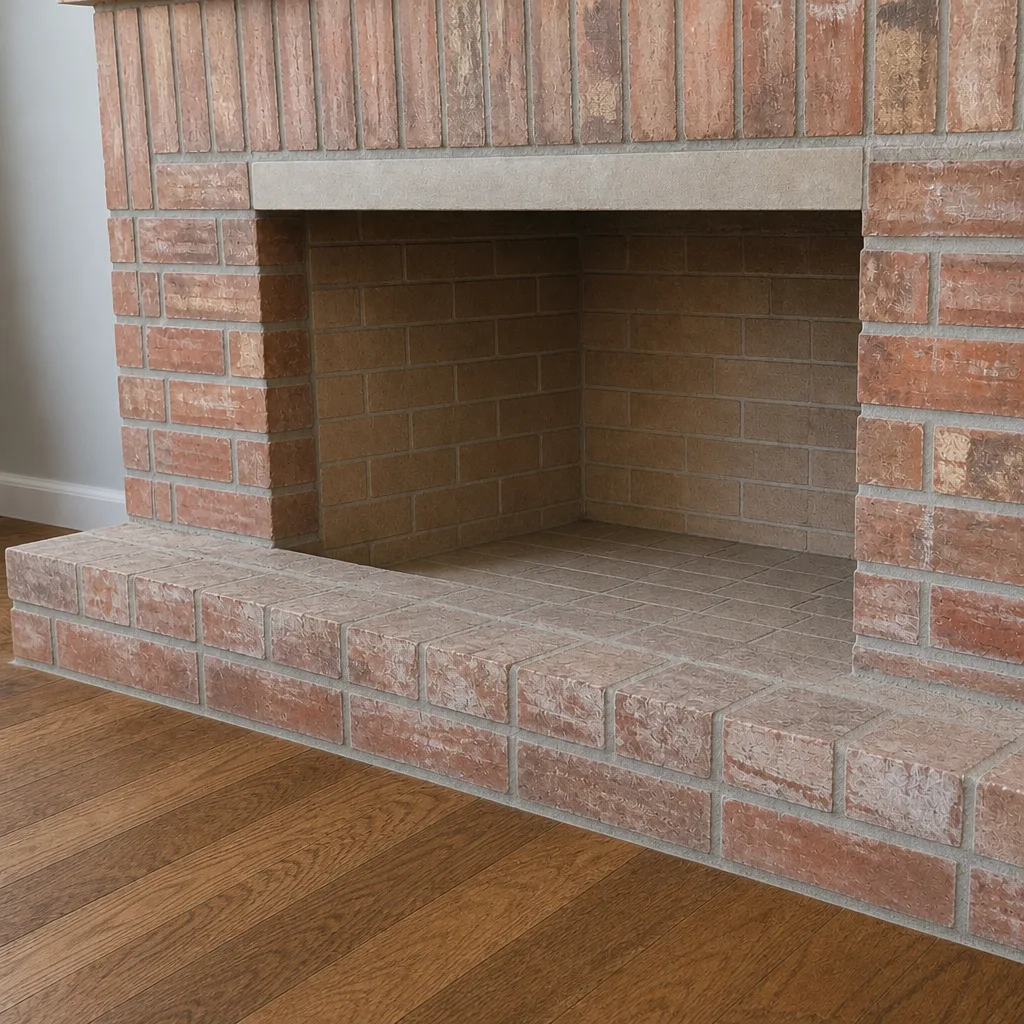
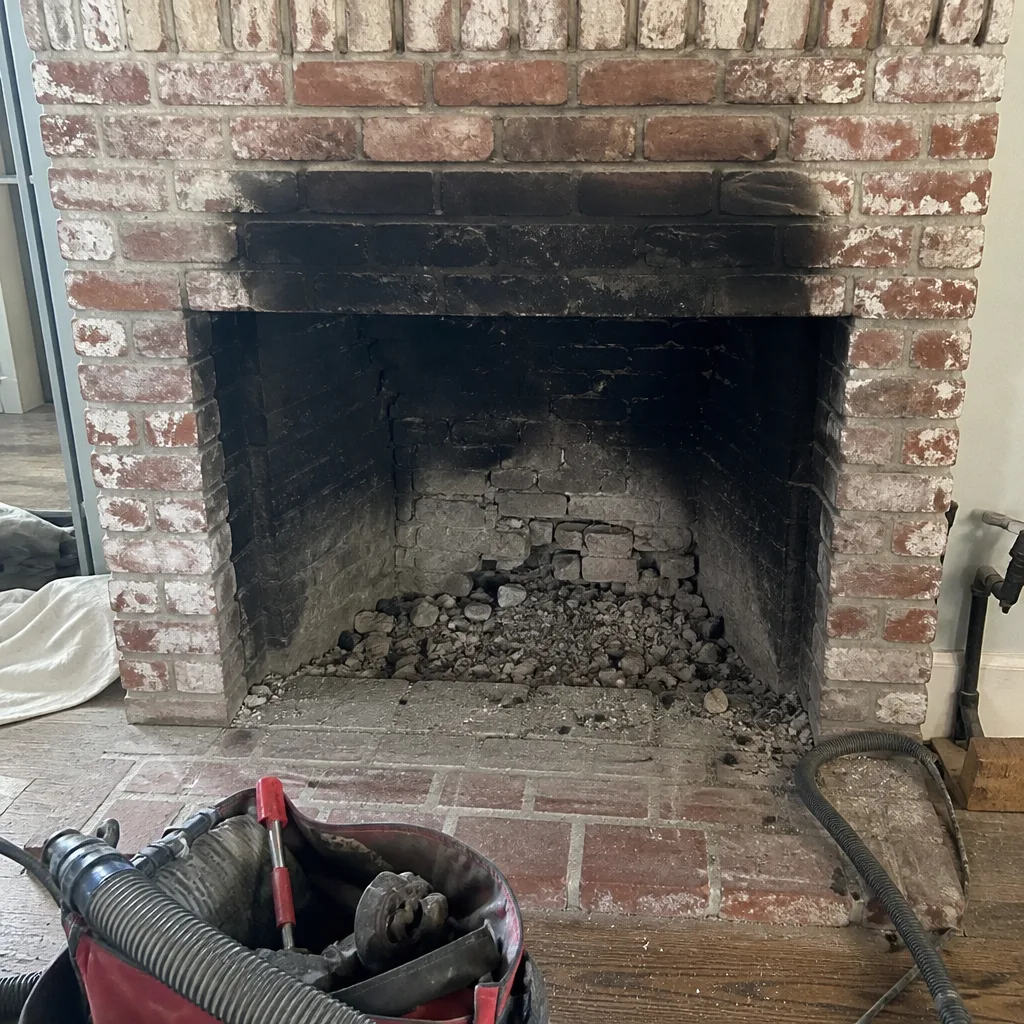
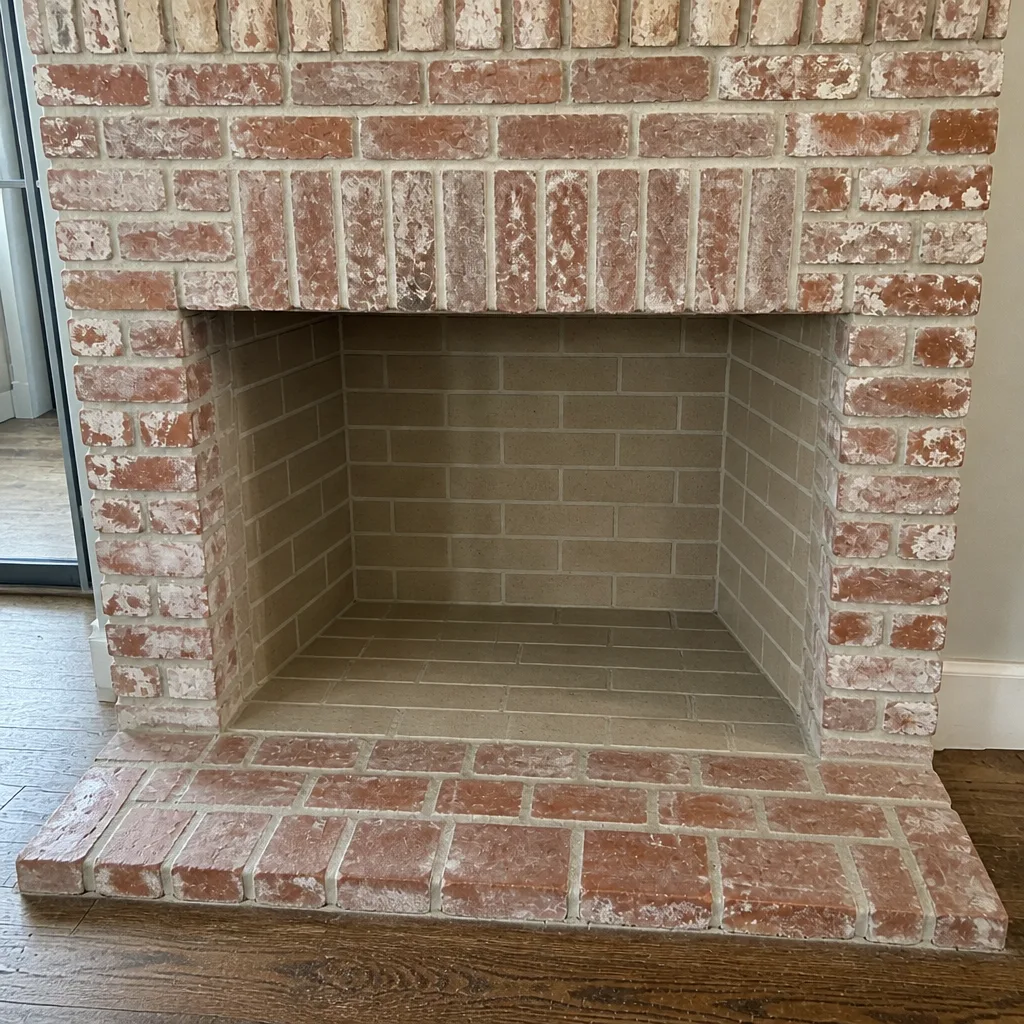
See the difference
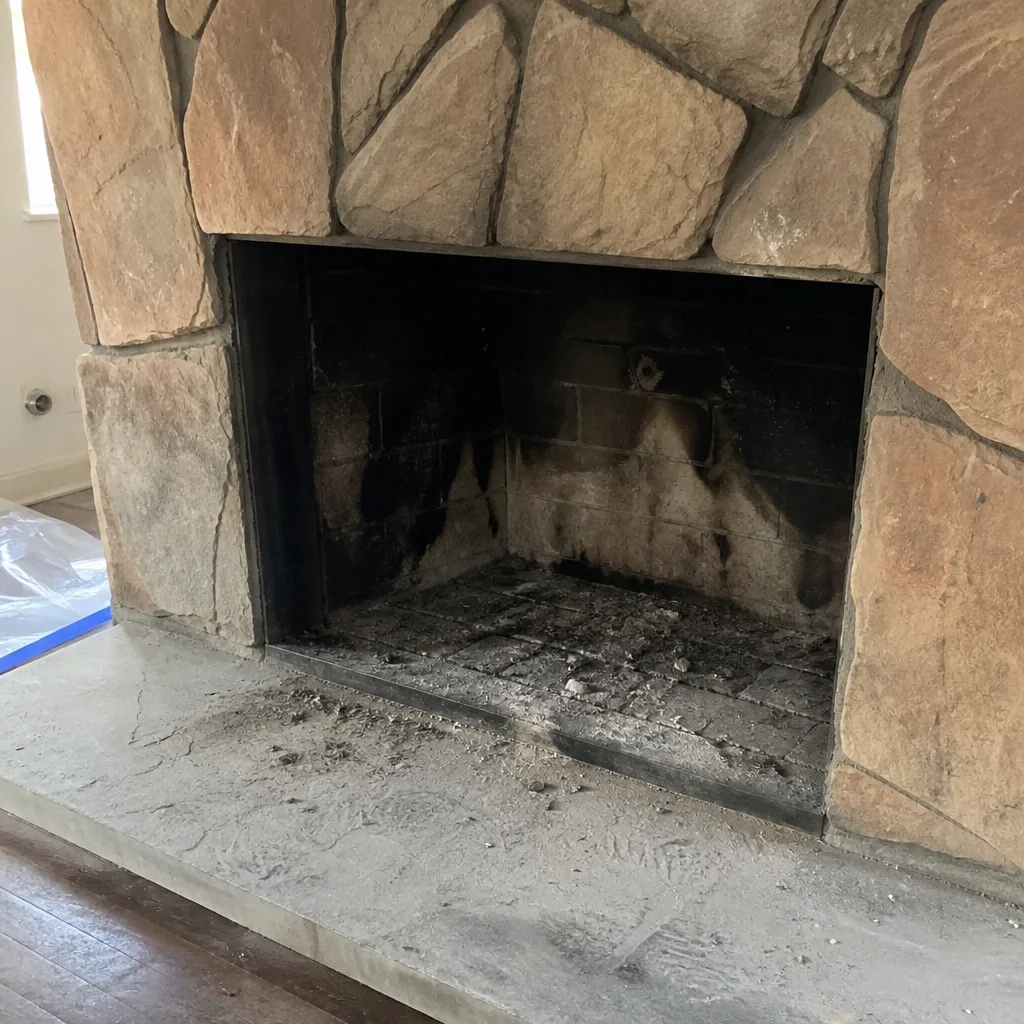 Before
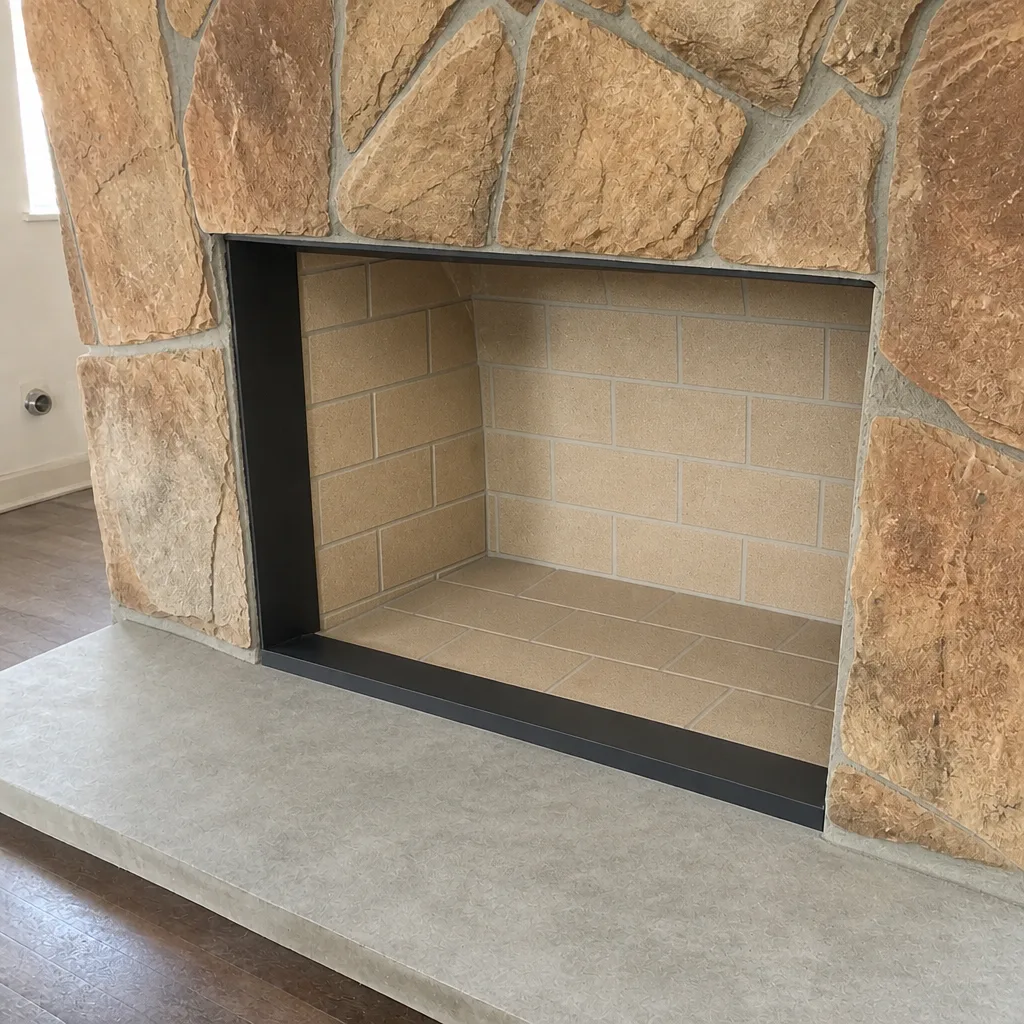 After
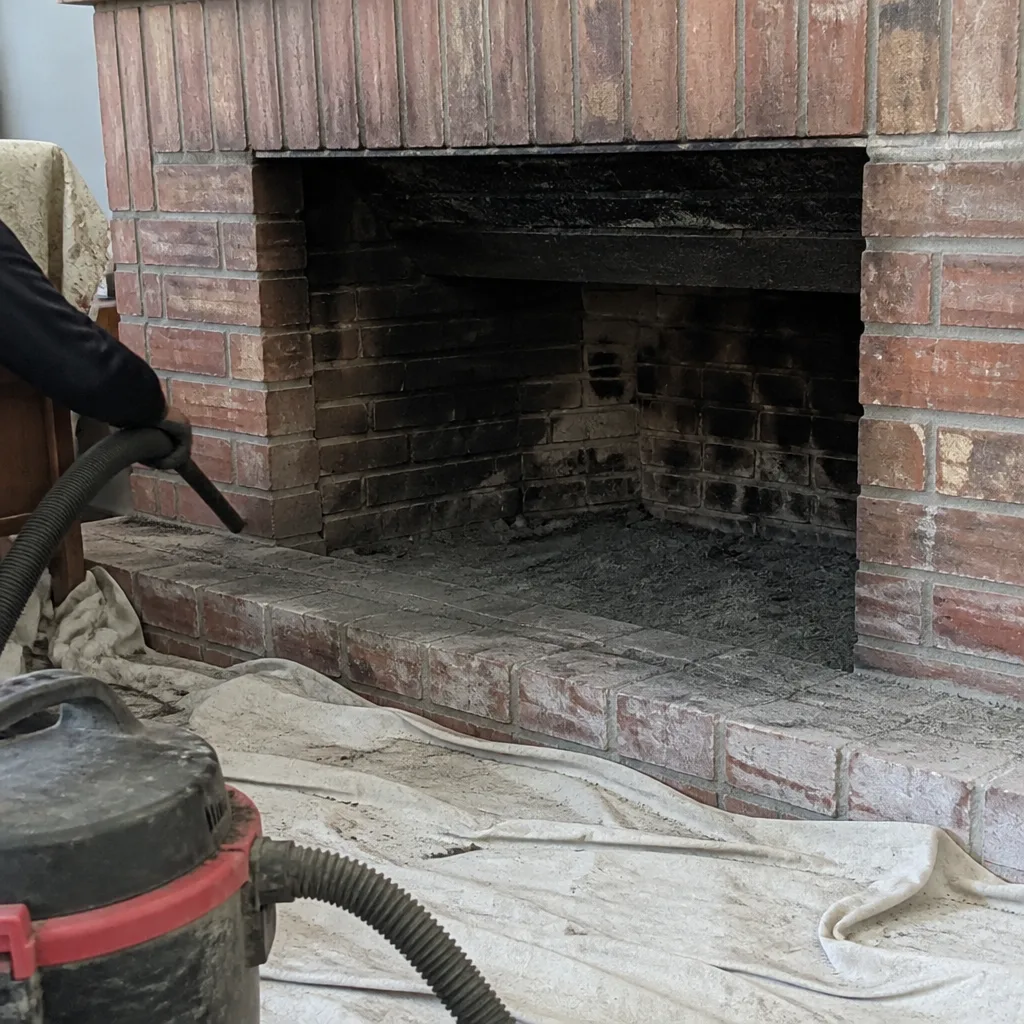 Before
 After
 Before
 After
When to Call a Professional
Call a professional when the smoke rollback persists after you’ve opened a window and confirmed the damper is open. Call when you smell something burning that isn’t wood. Call when the camera – or a flashlight check – shows glaze-like buildup, cracked flue tile, or a missing chimney cap. Call when water stains appear on the ceiling near the chimney chase, or when an animal has nested inside. These aren’t DIY fixes, and the cost of getting them wrong is a chimney fire or carbon monoxide in the home. Chimney Sweep Eastvale offers free estimates in Eastvale – call (866) 569-7136. We answer 24/7. Fast dispatch from 7am to 7pm, Sunday through Friday.
Frequently Asked Questions
The most common chimney problems in Eastvale are smoke rollback, cold-flue downdraft, creosote buildup, and damper failure. Our mild climate means fireplaces sit unused for months, which makes the cold-flue problem more common here than in colder regions. Most of these are diagnosed quickly and fixed without major repairs – call (866) 569-7136 for a free estimate.
Windy-day smoke rollback is almost always negative house pressure, not a chimney problem. Wind creates pressure differentials around the house, and if your home is sealed tight – common in Eastvale – the fireplace becomes the fresh-air inlet. Opening a window near the fireplace usually stops it. If it doesn’t, a camera inspection is the next step.
A standard chimney sweep in Eastvale typically runs between $200 and $400 depending on flue condition, access, and whether a Level 1 or Level 2 inspection is included. The exact price is set per job by the written estimate. Call (866) 569-7136 for a free estimate – we answer 24/7.
For a wood-burning fireplace used regularly during the season, sweep it once a year. If you burn soft woods, manufactured logs, or use the fireplace heavily, inspect more frequently – creosote builds faster with low-heat, smoldering fires. Gas fireplaces need less frequent sweeping but still benefit from an annual visual check.
Skipping maintenance allows creosote to accumulate, and creosote is fuel. A hot fire can ignite it, causing a chimney fire that cracks flue tile and damages the structure behind the walls. Even without a fire, neglected chimneys leak carbon monoxide when the flue is blocked or compromised. The risk is real, and it compounds quietly.
Not every damaged flue needs a new liner. When the tile is deteriorated but the chimney structure is sound, HeatShield resurfacing restores the flue interior without a full relining. A camera inspection shows the extent of the damage and tells you which path is appropriate. We show you the footage before we recommend anything.
The Bottom Line
Chimney problems in Eastvale almost always trace back to one of five causes: negative pressure, a cold flue, creosote, a failed damper, or structural flue damage. The fix depends entirely on which cause you’re dealing with. Homeowners can handle damper checks, warm-up procedures, and basic diagnosis. Everything else – creosote removal, flue repair, cap replacement, animal removal – belongs to a certified sweep with proper tools and camera documentation. When the problem is structural, we specify contractor-grade materials like HeatShield, Gelco, Olympia Chimney, and Famco because they match what the job actually requires. Clean flue, safe fire. Call (866) 569-7136 for a free estimate in Eastvale. We answer 24/7. Fast dispatch from 7am to 7pm, Sunday through Friday.
Written by the team at Chimney Sweep Eastvale, serving Eastvale since 2016.