
Last updated November 4, 2026
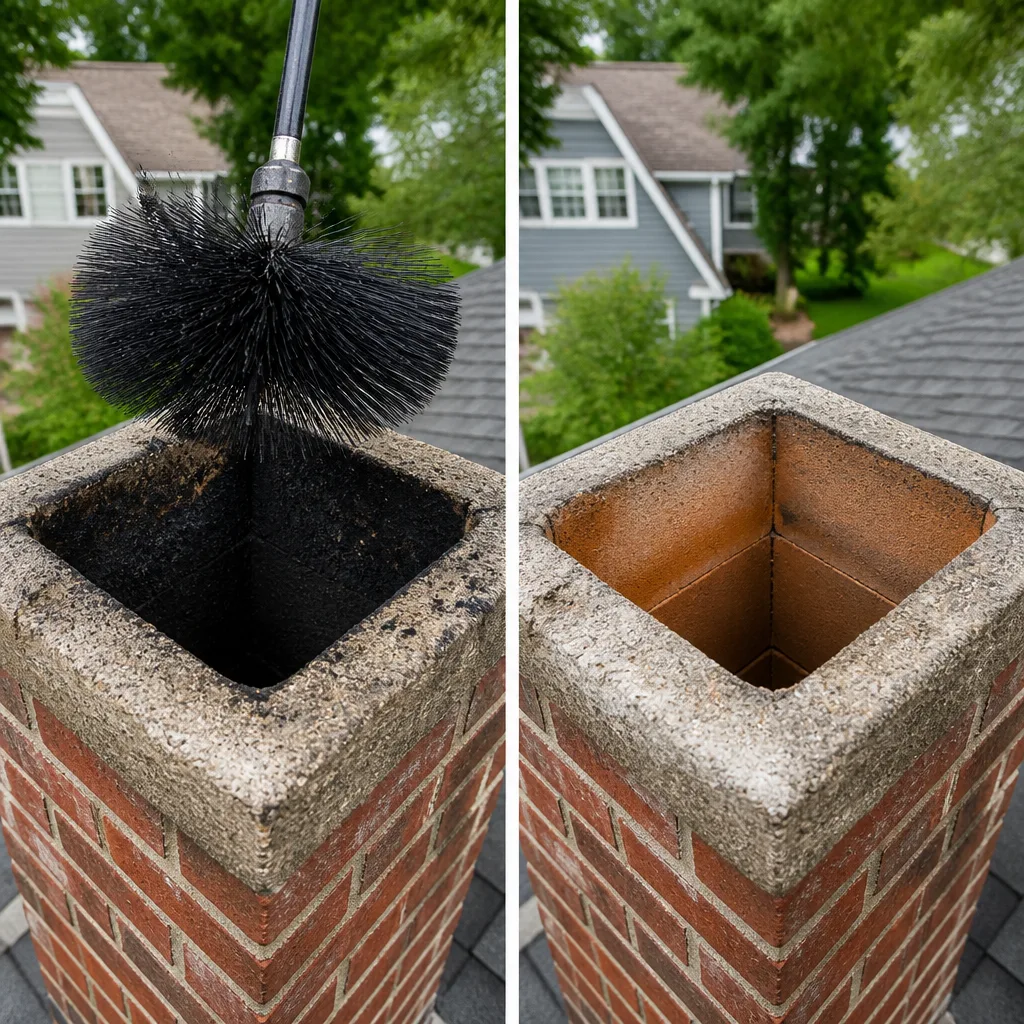 Sweep & inspection
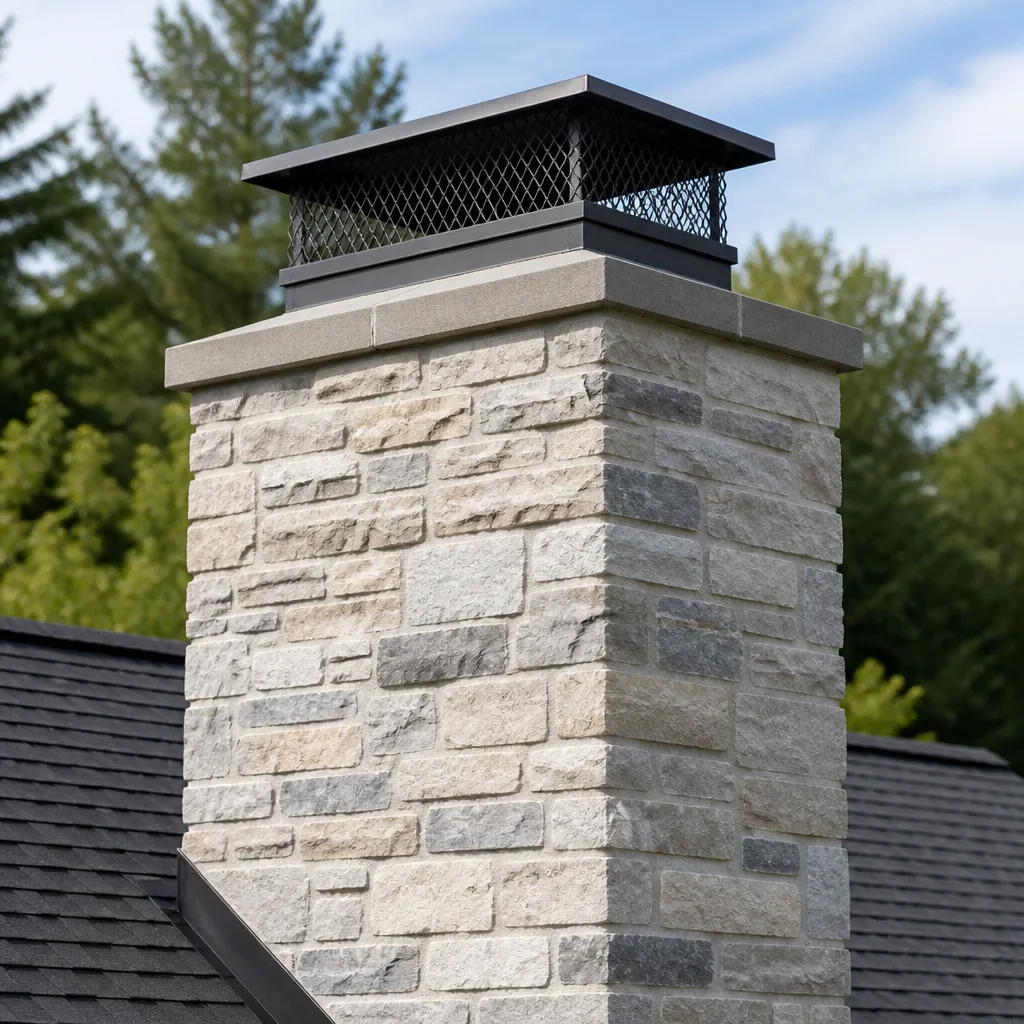 Caps & crowns
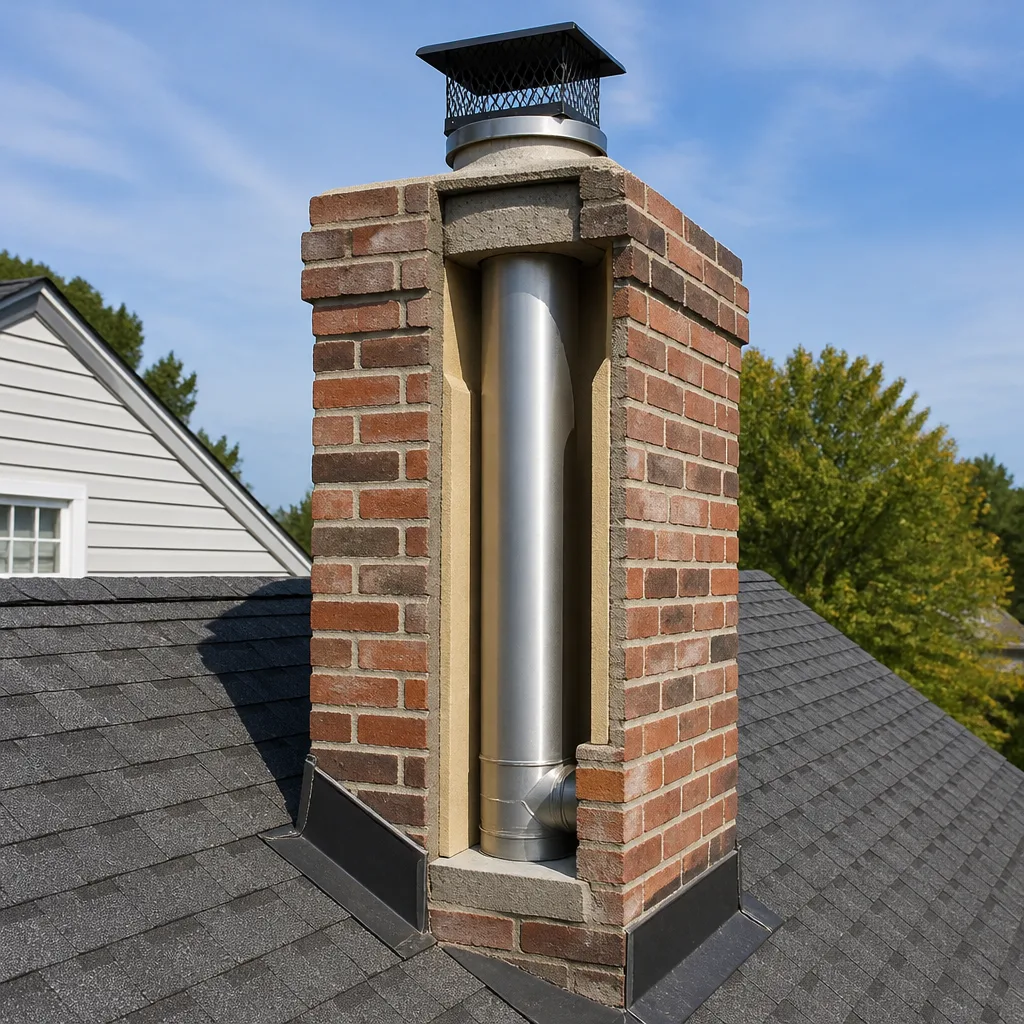 Flue relining
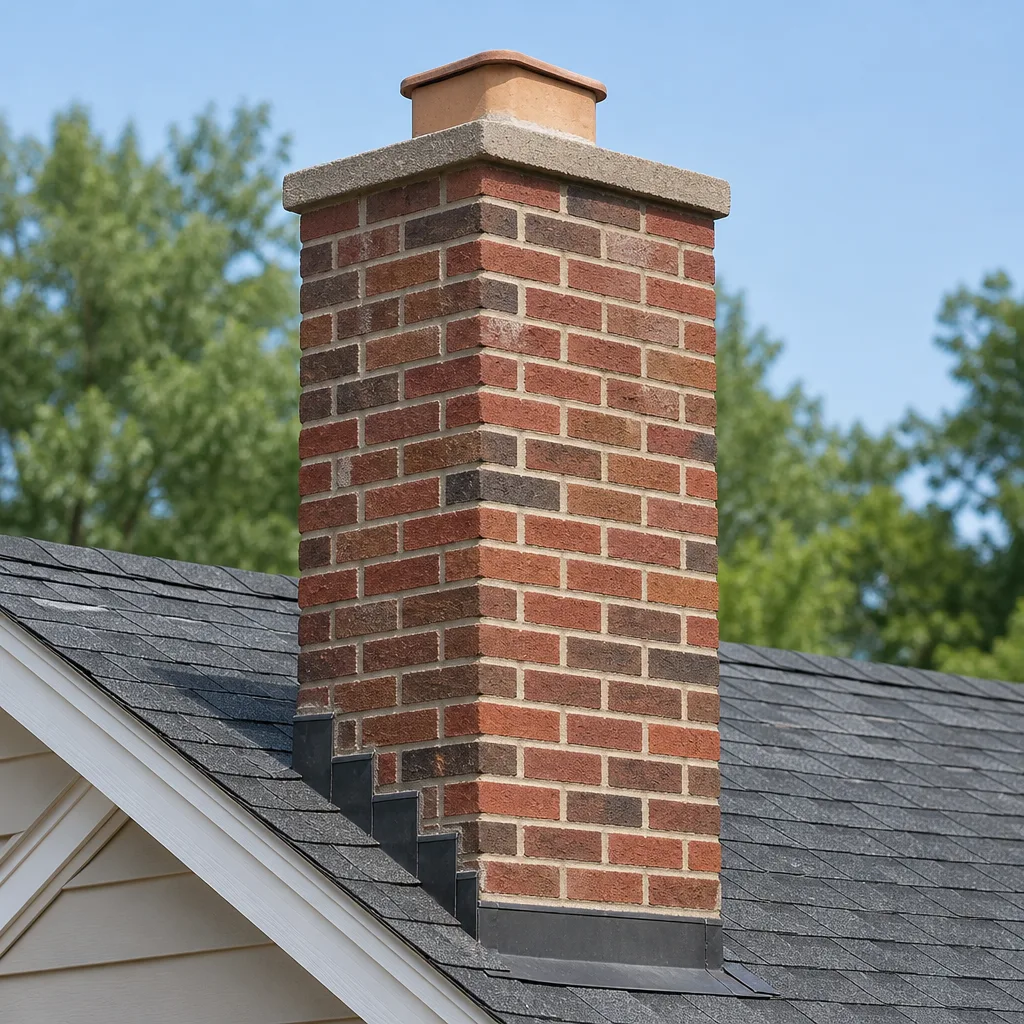 Masonry repair
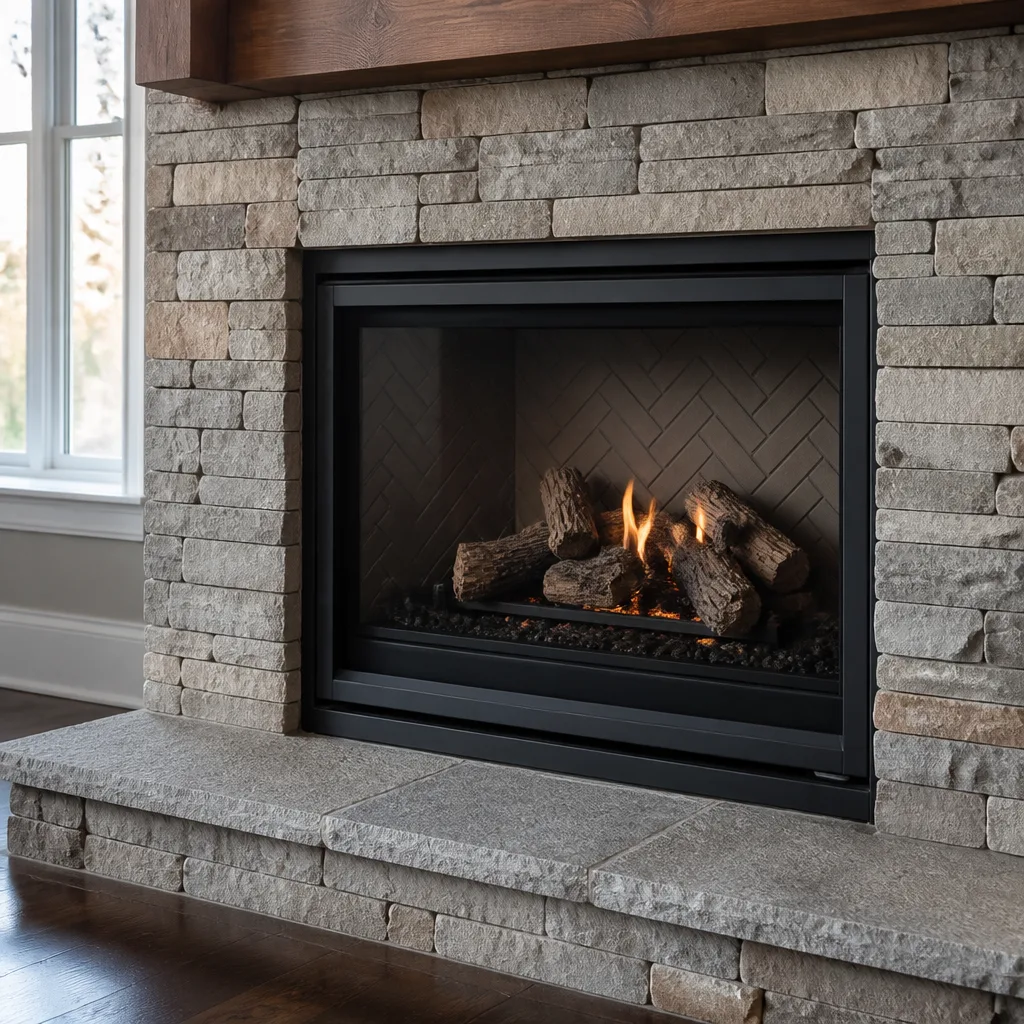 Gas fireplace service
Level 1 sweep and inspection to the NFPA 211 annual standard - flue, crown, cap, and flashing checked and photographed
Chimney sweep logs do not sweep chimneys. They loosen some creosote - which then falls where a brush and vacuum still have to collect it.
Choosing the Right Chimney Cleaning Brand: A Buyer’s Guide for Eastvale
Most Eastvale homeowners assume the difference between a good chimney repair and a bad one comes down to the technician’s skill. That’s only half the story. The product that goes into your flue matters just as much as the hands installing it. HeatShield ceramic resurfacing and a hardware-store mortar patch can both fill a cracked flue tile on a Tuesday afternoon. One is rated to 2100°F and tested to ASTM E-136. The other is not. The price difference at installation is roughly $200. The difference in service life is measured in decades. This guide walks through how Eastvale homeowners can identify professional-line chimney products, verify what’s actually being installed, and avoid paying contractor prices for retail-grade materials.
Styles & brands we work with
- Sweep & inspection
- Caps & crowns
- Flue relining
- Masonry repair
- Gas fireplace service
Quick Answer
The right chimney cleaning brand for Eastvale homes is a professional-line product installed by a licensed contractor who can show documentation of exactly what went in. Look for flexible liner systems like DuraFlex, ceramic resurfacing like HeatShield, and caps and chase covers from Olympia Chimney or Copperfield. These brands are sold through contractor supply channels and require trained installers, which matters when a repair gets inspected after a fire loss or home sale.
Table of Contents
- Why Brand Specification Matters More Than Installation Skill
- The Three Product Categories That Matter for Eastvale Chimneys
- How to Verify What’s Actually Being Installed
- ASTM and UL Listings: What the Numbers Mean on a Data Sheet
- Why Professional-Line Products Require Licensed Installers
- Questions to Ask About Distributor Relationships
- What Eastvale’s Climate Means for Chimney Product Selection
- Common Mistakes to Avoid
- When to Call a Professional
- Frequently Asked Questions
- The Bottom Line
Why Brand Specification Matters More Than Installation Skill
Here’s a truth most Eastvale homeowners never hear: a skilled technician installing the wrong product will still produce a repair that fails early. The chimney product market is split cleanly into two tiers. Professional-line brands like DuraFlex and HeatShield are sold almost exclusively through licensed contractor supply houses. Retail-grade alternatives sit on shelves at big-box stores, priced lower because they’re built to a different standard. When a chimney sweep specifies a professional-line product, they’re making a statement about how long they expect the repair to last. When they grab whatever’s cheapest at the supply counter, they’re making a different statement.
In our experience, the tell is rarely visible at the moment of installation. A stainless liner looks like a stainless liner. A cap looks like a cap. The difference shows up three, seven, ten years later when the flue is inspected again. That’s why Eastvale homeowners benefit from asking the brand question before work begins, not after the invoice is paid.
The Three Product Categories That Matter for Eastvale Chimneys
Chimney systems break down into three functional categories, and each has professional-line brands worth knowing by name. Understanding what each category does helps you ask the right questions when a contractor proposes a repair in Eastvale.
Flexible Liner Systems: DuraFlex
A flexible chimney liner is a continuous stainless steel tube that runs from the appliance up through the flue. It’s the standard fix when the original clay tile liner has cracked, spalled, or separated. DuraFlex is a professional-grade liner system built for exactly this job. It’s used by commercial restoration contractors because it handles the thermal cycling of a wood-burning fireplace without degrading. The alternative is a thinner, lighter liner sold at retail, often with fewer alloy options and weaker connection points. The liner is not the place to save money in an Eastvale home. It’s the primary barrier between combustion gases and the framing of your house.
Ceramic Resurfacing: HeatShield
HeatShield is a ceramic resurfacing compound applied to deteriorated flue tile. Instead of tearing out the old liner and dropping in a new one, a certified technician trowels or pumps the compound through the flue, creating a new ceramic surface. It’s a code-recognized repair path that costs less than full relining and is specifically designed for this application. Most generalist chimney sweep companies don’t offer HeatShield because it requires certified application and a supply relationship with the manufacturer. Eastvale homeowners with minor to moderate flue deterioration benefit from knowing this option exists before committing to a full liner replacement.
Chimney Caps and Chase Covers: Olympia Chimney and Copperfield
A chimney cap keeps rain, animals, and debris out of the flue. A chase cover does the same job for a factory-built chimney with a wood or vinyl chase. Olympia Chimney and Copperfield both manufacture these components to professional-line specifications. The difference between a contractor-grade cap and a retail one is typically gauge of metal, quality of screening, and how the cap attaches to the flue. A cheap cap that blows off in an Eastvale windstorm becomes debris on someone’s roof. A properly specified cap stays put and does its job for a decade or more.
How to Verify What’s Actually Being Installed
Product substitution is the quiet problem in chimney repair. A contractor might quote a professional-line brand and then install something cheaper because the supply house was out of stock, or because the margin looked better on a retail equivalent. Here’s how to verify what goes into your chimney in Eastvale:
- Ask for the product data sheet before work begins. Every professional-line product has one. It lists the manufacturer, the model, the ASTM or UL listing numbers, and the temperature rating. If the contractor can’t produce it, treat that as a red flag.
- Confirm the brand name appears on the written estimate. A legitimate quote says “DuraFlex 316L liner” or “HeatShield resurfacing,” not “stainless liner” or “flue repair.” Specificity is documentation.
- Request the manufacturer’s warranty registration after installation. Professional-line products carry warranties that are activated when the installer registers the job. If the contractor can’t provide that paperwork, the product warranty may not be in force.
- Ask to see the product packaging. Most installers will show you the materials before installation. A reputable one won’t mind. If the packaging doesn’t match the brand on your estimate, stop the work.
- Take photos of everything. Before, during, and after. Document what went in. If there’s ever a question after a fire loss or home sale, that record is the difference between a covered repair and an expensive argument.
ASTM and UL Listings: What the Numbers Mean on a Data Sheet
When you look at a product data sheet for a professional-line chimney component in Eastvale, you’ll see references to ASTM and UL standards. These are the testing and safety standards that separate engineered products from generic ones.
ASTM E-136 is the standard test for non-combustible materials. It certifies that a material won’t ignite or contribute fuel to a fire when exposed to high heat. HeatShield ceramic compound is tested to this standard. Remember that a hardware-store mortar patch is not. The same applies to liners and caps: the data sheet should show testing against the appropriate ASTM standard for its category.
UL listings apply to factory-built chimney components and venting systems. A UL-listed liner or cap has passed laboratory testing for the conditions it’s designed to handle. When you see a UL number on a data sheet, you can look it up online to confirm the product is listed for the application the contractor is proposing. This matters in Eastvale because local building inspectors may ask for documentation during a permit review or after a fire. A professional-line product with verifiable listings answers those questions cleanly. A retail product without them creates an inspection problem.
Don’t take a sticker at face value. If the data sheet lists an ASTM or UL number, verify it independently. A contractor who specifies professional-line products will have no issue with this request.
Why Professional-Line Products Require Licensed Installers
DuraFlex, HeatShield, Olympia Chimney, and Copperfield all structure their warranties around a simple condition: the product must be installed by a licensed, trained professional. This isn’t a gatekeeping tactic. It’s an acknowledgment that a chimney liner or cap only performs to spec when it’s installed correctly. A homeowner who buys a retail liner and installs it themselves voids the warranty entirely. A contractor who isn’t certified to apply HeatShield cannot offer the manufacturer’s warranty on the resurfacing work.
Why does this matter for an Eastvale homeowner? Consider the inspection scenario. If your chimney repair is ever inspected after a fire loss, the inspector will want documentation. What product was installed? Who installed it? Was the installer licensed and trained for that specific product? Professional-line products with documented installation create a clean paper trail. Retail products installed by an unknown contractor create questions. Questions become delays. Delays become denied claims. The product decision you make in 2016 echoes every time the chimney is inspected afterward.
This is also why we specify contractor-grade materials on every job. It’s not about preference. It’s about what happens in the inspection room after something goes wrong.
Questions to Ask About Distributor Relationships
Contractors don’t buy professional-line products off a warehouse shelf. They buy through authorized distributors with ongoing supply relationships. The stability of that relationship tells you whether a contractor has consistent access to the products they’re quoting. A contractor who buys whatever’s on the spot market may substitute a lower-cost equivalent without telling you. Here’s what to ask an Eastvale chimney contractor:
- “Where do you source your liner systems?” A direct answer naming a distributor or supply house is good. Vague answers are not.
- “Are you certified to install the products you’re quoting?” Some products, like HeatShield, require manufacturer certification. If the contractor isn’t certified, they can’t install it properly, and the warranty won’t apply.
- “Can you provide a copy of the manufacturer’s invoice or packing slip for my job?” This confirms the product actually came from the professional-line supply chain.
- “What happens if the product you quoted isn’t available on installation day?” A good answer is “we reschedule.” A concerning answer is “we’ll use something comparable.” Comparable often means cheaper.
- “How long have you been buying from your current distributor?” Ongoing relationships indicate consistent access to professional-line materials. Recent changes or evasiveness suggest spot-market buying.
What Eastvale’s Climate Means for Chimney Product Selection
Eastvale sits in the Inland Empire, where summers run hot and dry and winters stay relatively mild. That climate profile affects chimney products in ways homeowners don’t always expect. The dominant stress on an Eastvale chimney is thermal cycling: the repeated expansion and contraction of flue materials as a fire heats them and the night cools them. Dry heat accelerates that cycle. A cheap liner or resurfacing compound fatigues faster under those conditions because it wasn’t engineered for the temperature swings. Professional-line products like DuraFlex and HeatShield are built to handle exactly that kind of repeated stress.
We don’t deal with freeze-thaw cycles here, which is a genuine advantage for Eastvale homeowners. The primary enemies are heat, dryness, and the fine dust that settles into caps and flues during the Santa Ana winds. A well-made cap from Olympia Chimney or Copperfield keeps that dust out. A cheap cap lets it in and then fails early. When you’re choosing chimney products in Eastvale, think about what the climate actually does to a flue: cycles it through heat, bakes it in dry air, and blows dust at it. The product has to hold up under that, year after year.
Common Mistakes to Avoid
- Assuming all stainless liners are the same. The alloy, wall thickness, and connection design vary enormously between professional-line and retail products. Ask for the data sheet and compare.
- Focusing only on installation price. The cheapest quote is often cheapest because the contractor is using retail-grade products. You pay the difference later.
- Skipping the cap inspection because the flue looks fine. Caps and chase covers fail independently of the liner. A damaged cap can let water and animals into a perfectly good flue, and Eastvale’s wind season makes cap failure more likely.
- Accepting verbal assurances instead of written specifications. A written estimate that names the product and its listing numbers is a contract. A verbal promise is not.
- Ignoring the dryer vent as part of the venting system. Dryer vents carry lint, which is combustible. Professional dryer vent cleaning with proper equipment is a safety measure, not an upsell.
- Not asking about HeatShield as an alternative to full relining. Many Eastvale homeowners are quoted a full liner replacement when ceramic resurfacing would solve the problem at lower cost. Ask the question.
- Assuming a home sale will cover an undocumented repair. If you sell your Eastvale home, the buyer’s inspector may ask for documentation of the chimney work. Professional-line products with clear records make that conversation easy. Unknown products make it hard.
When to Call a Professional
Call a professional chimney contractor when you see cracked flue tile, rust on a damper or cap, water staining around the fireplace, or when your chimney hasn’t been swept in more than a year. If you notice a smell like burnt wood lingering in the house after a fire is out, that’s damaged flue lining, not normal operation. Gas appliance backdrafting or a visible gap between the liner and the flue are also signs. And if a home inspector flags the chimney during a sale, you need documentation and possibly repair before closing. Chimney Sweep Eastvale offers free estimates in Eastvale – call (866) 569-7136. We answer 24/7. Fast dispatch from 7am to 7pm, Sunday through Friday.
Frequently Asked Questions
A professional-line chimney product is built to the specifications required by licensed contractors and commercial restoration jobs. It carries ASTM or UL testing documentation and is sold through contractor supply channels. A retail product is built to a price point and sold in big-box stores. The difference shows up in material thickness, temperature rating, and service life. A contractor who specifies DuraFlex or HeatShield is choosing products engineered for chimney applications, not general hardware use.
Chimney repair costs in Eastvale vary by the scope of the problem. A ceramic resurfacing job with HeatShield typically runs less than a full liner replacement because it avoids demolition. The written estimate sets the final price. For an exact quote on your chimney, call (866) 569-7136. We answer 24/7 and estimates are free.
HeatShield ceramic resurfacing can often repair deteriorated flue tile without a full liner replacement, at a lower cost. It’s designed for exactly this application and is a code-recognized repair path. Whether it’s right for your chimney depends on the extent of the deterioration. A camera inspection tells you for certain. We show you what we found with photos, plain language, and no pressure.
A wood-burning chimney in Eastvale should be swept at least once a year, ideally before the burning season. The Inland Empire’s dry climate creates creosote that’s brittle and flaky, which is actually more combustible in some ways than the sticky creosote of damper climates. A yearly sweep removes it before it becomes a fire risk. Gas fireplaces should be inspected annually even if they don’t need sweeping.
Creosote builds up in the flue, increasing the risk of a chimney fire. Cracks in the flue tile widen, allowing combustion gases to reach the framing. Caps clog with debris, and water enters the system, accelerating deterioration. The repair gets more expensive the longer it’s deferred. If it’s been a while, call (866) 569-7136 for a free estimate and camera inspection.
Ask for the product data sheet, the written estimate with the brand named, and the warranty registration after installation. Professional installers can produce all three. A contractor who can’t document what went in is a liability. We provide documentation on every job because we know it matters when the chimney is inspected later.
The Bottom Line
The chimney product market in Eastvale splits into two tiers: professional-line brands like DuraFlex, HeatShield, Olympia Chimney, and Copperfield, and retail alternatives sold on price. The difference determines how long your repair lasts. Verify what’s going into your flue with data sheets, written specifications, and warranty documentation. Ask about certification and distributor relationships. And remember that Eastvale’s hot, dry climate punishes cheap materials faster than a mild coastal climate would. Chimney Sweep Eastvale specifies contractor-grade materials on every job because the flue is the barrier between fire and framing. Call (866) 569-7136 for a free estimate. We answer 24/7. Fast dispatch from 7am to 7pm, Sunday through Friday.
Written by the team at Chimney Sweep Eastvale, serving Eastvale since 2016.
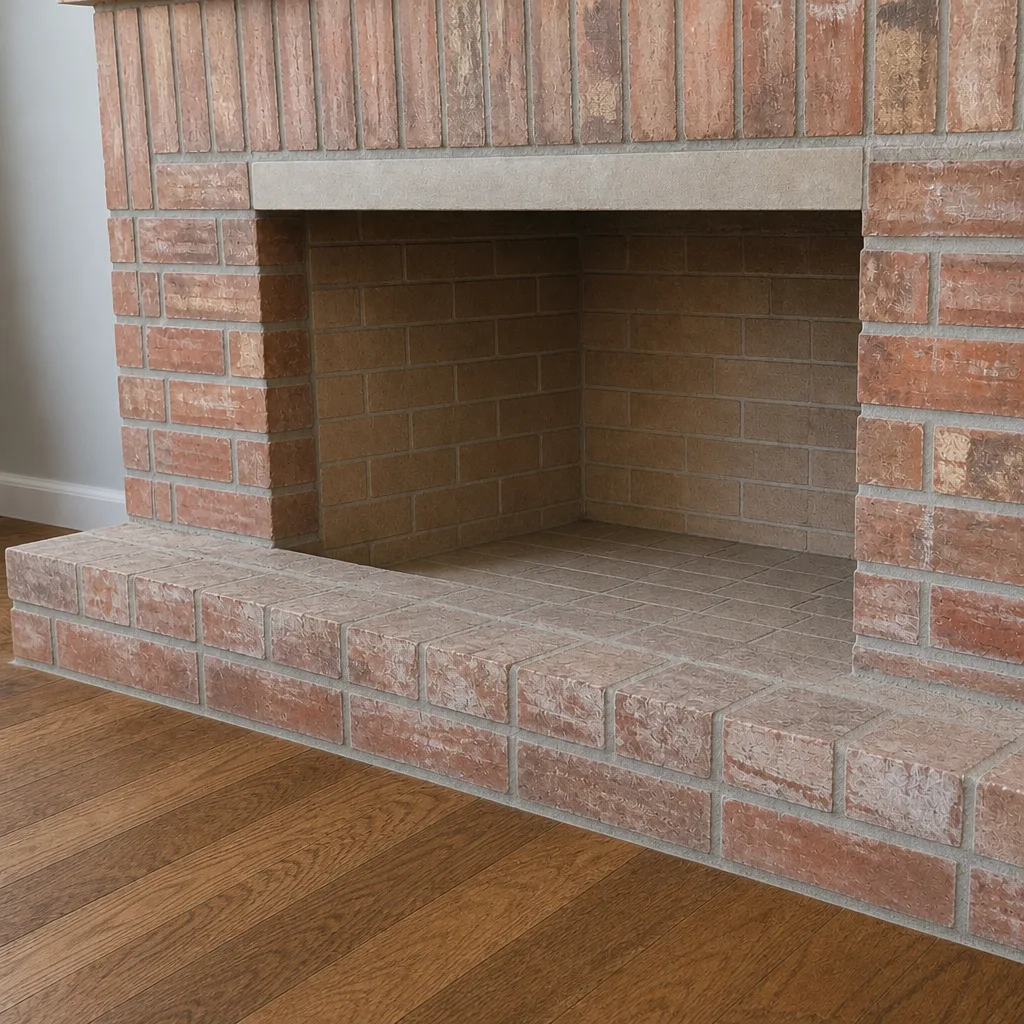
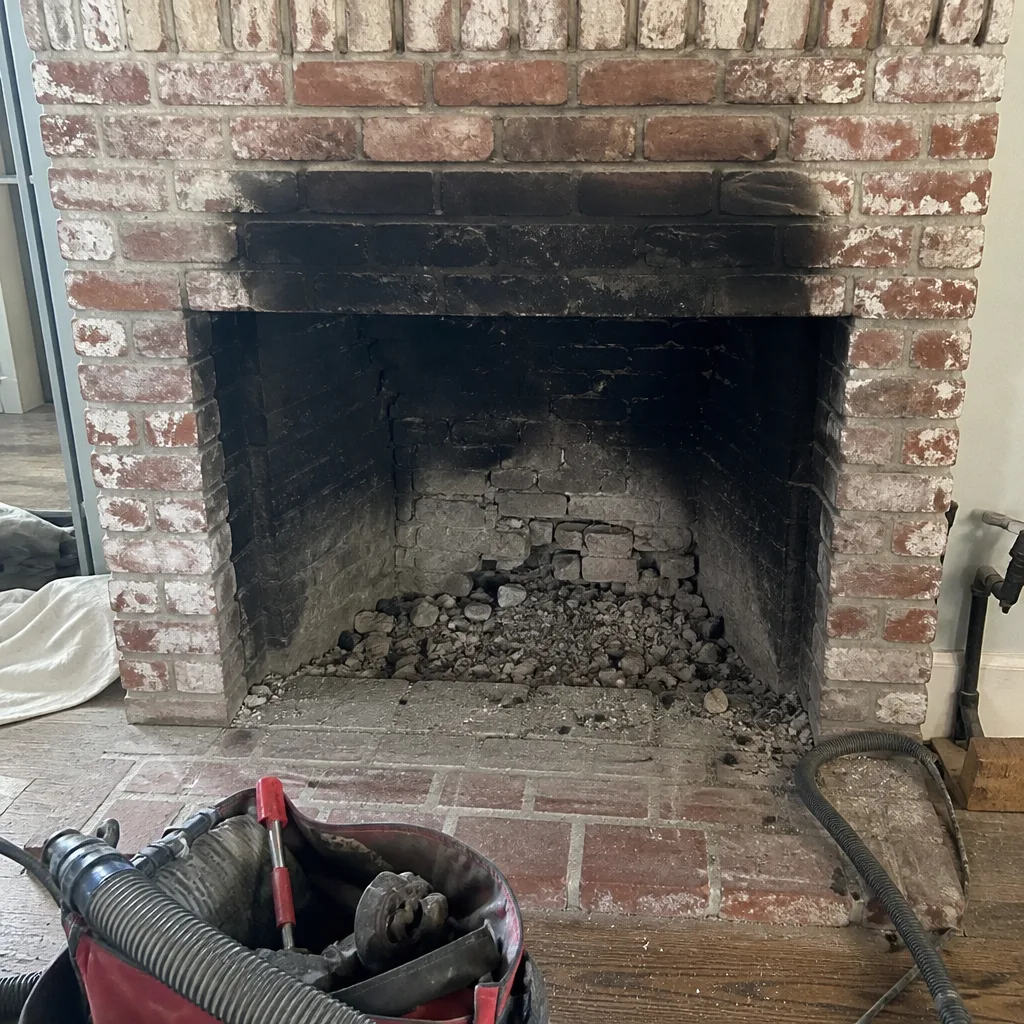
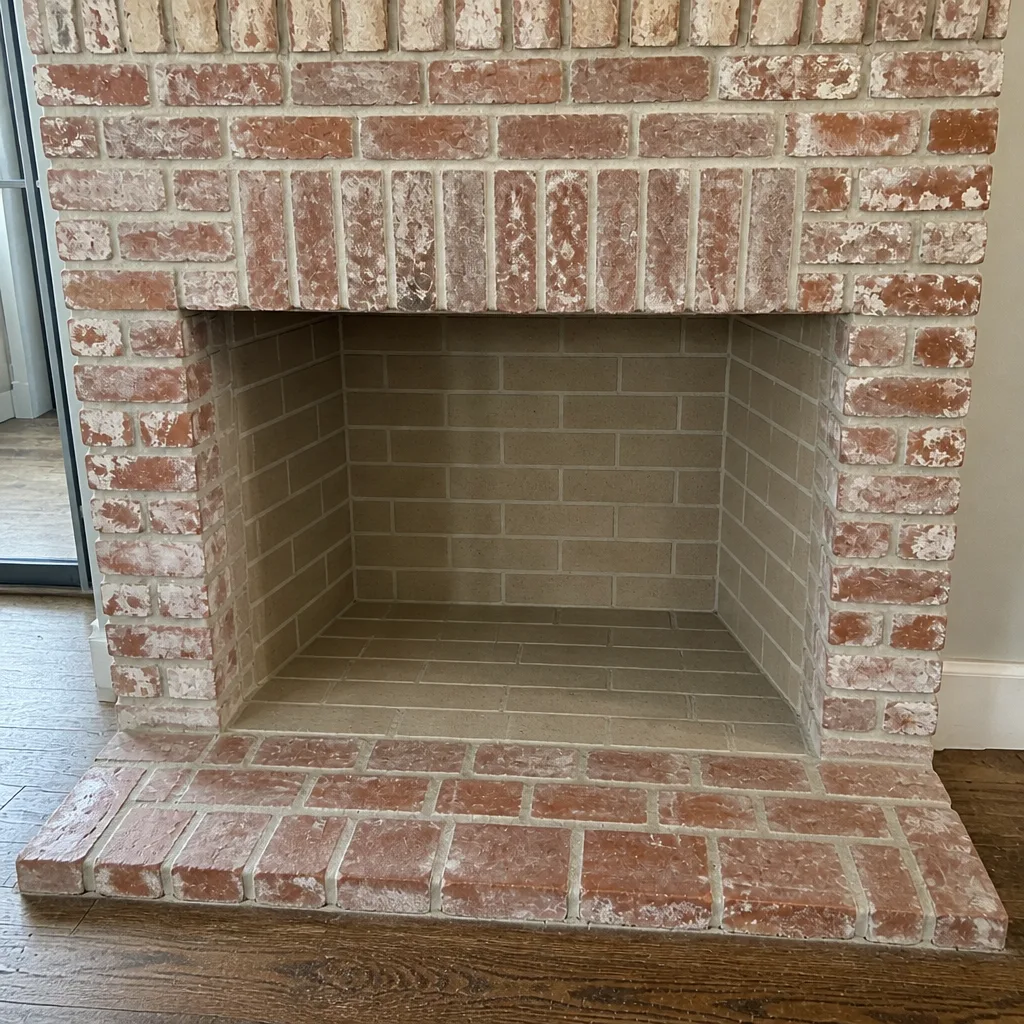
See the difference
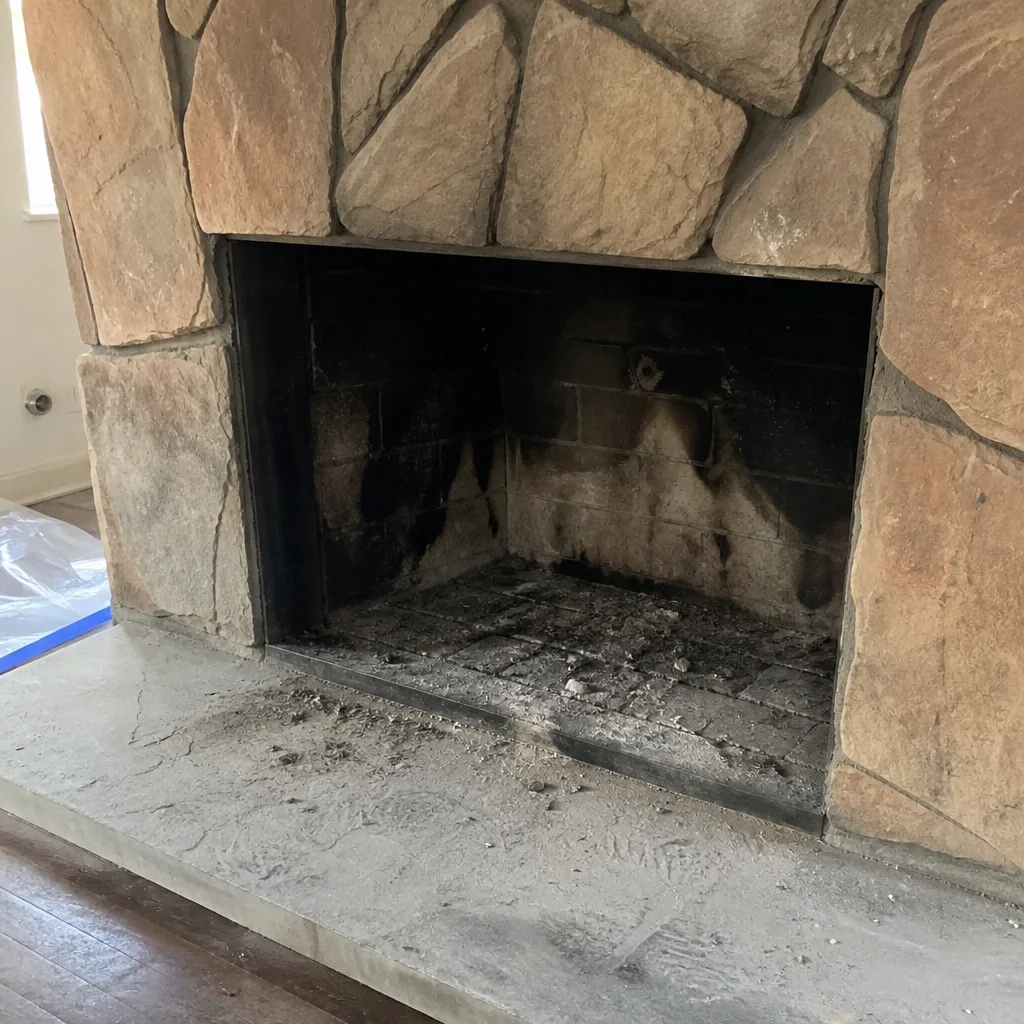 Before
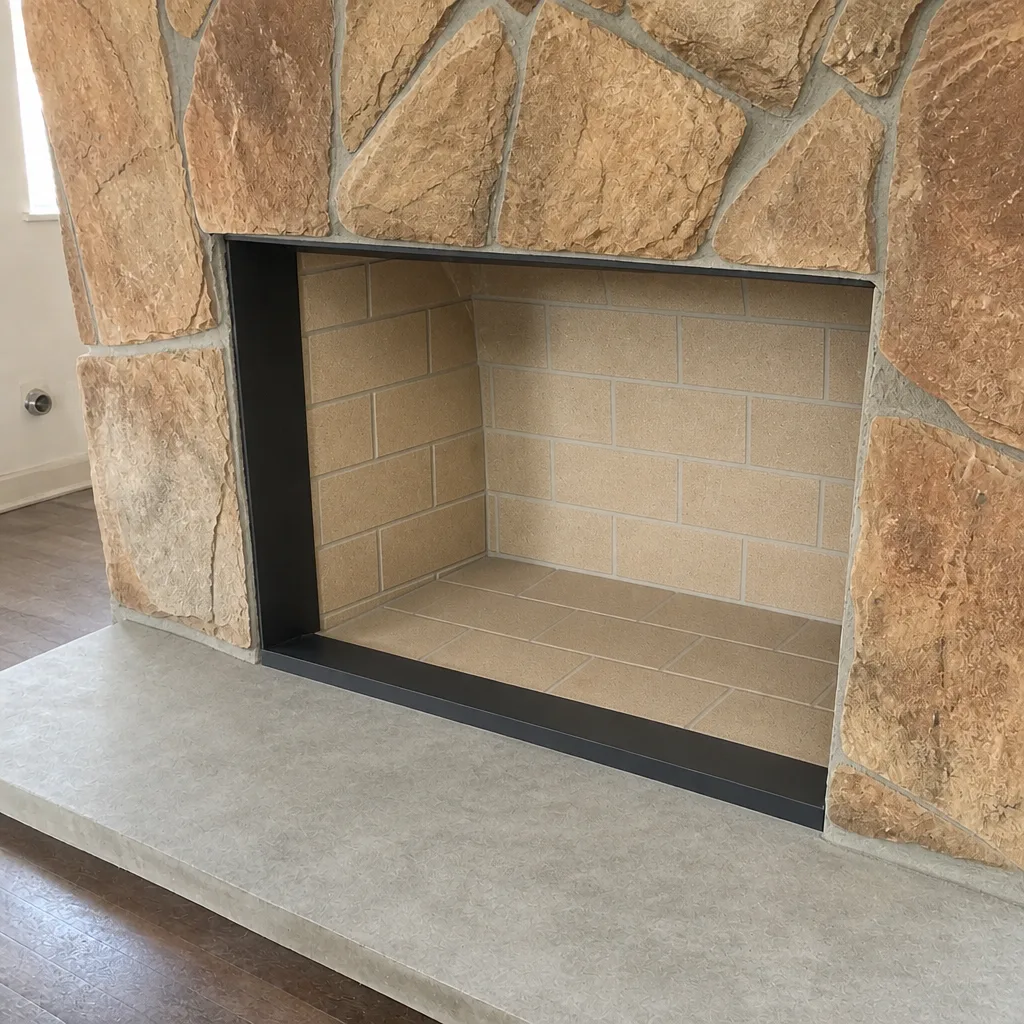 After
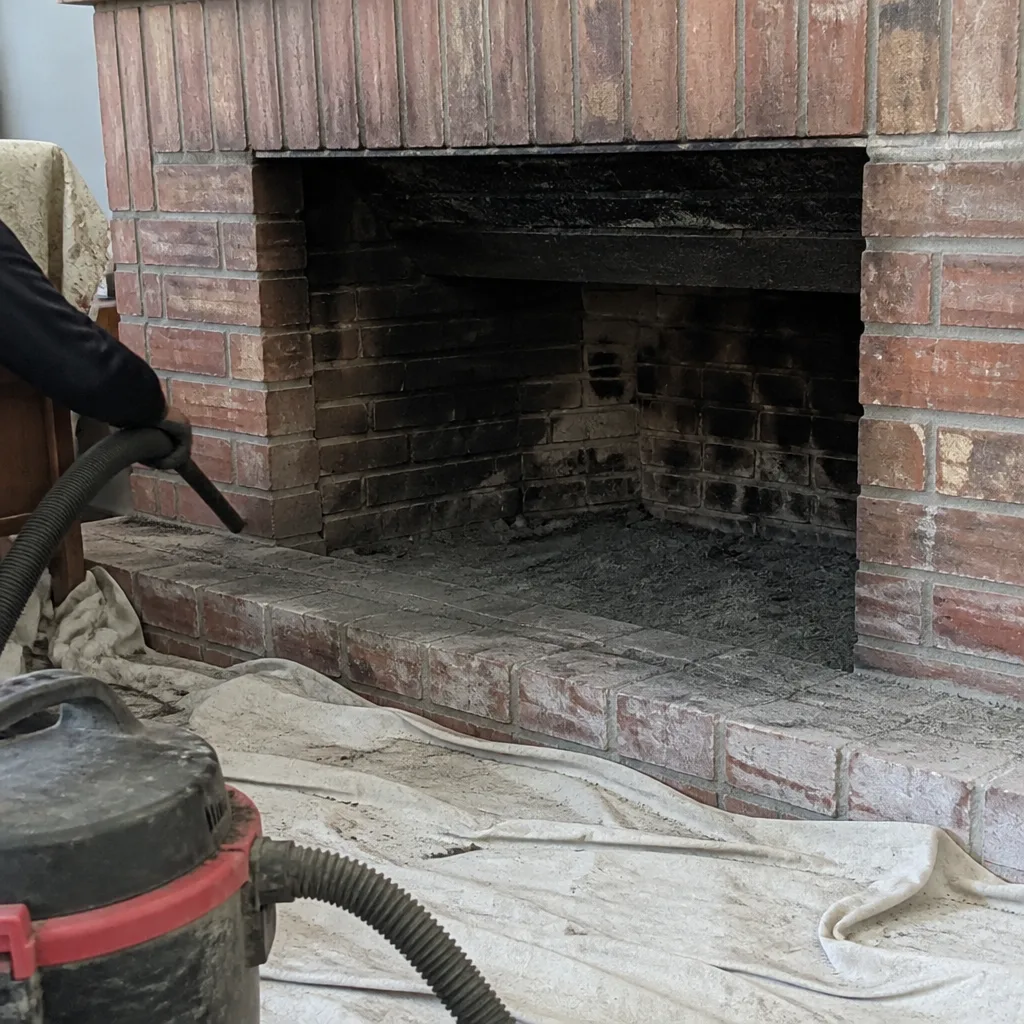 Before
 After
 Before
 After