
Last updated November 4, 2026
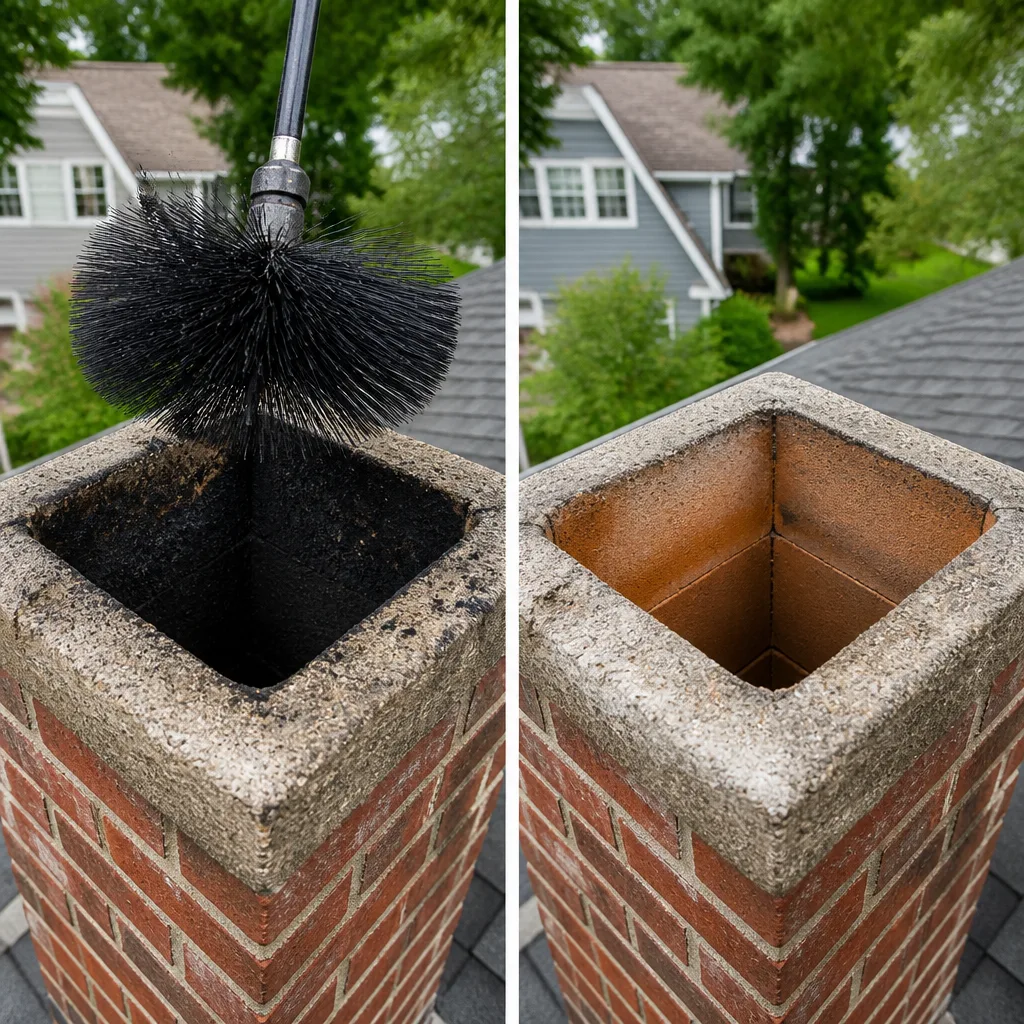 Sweep & inspection
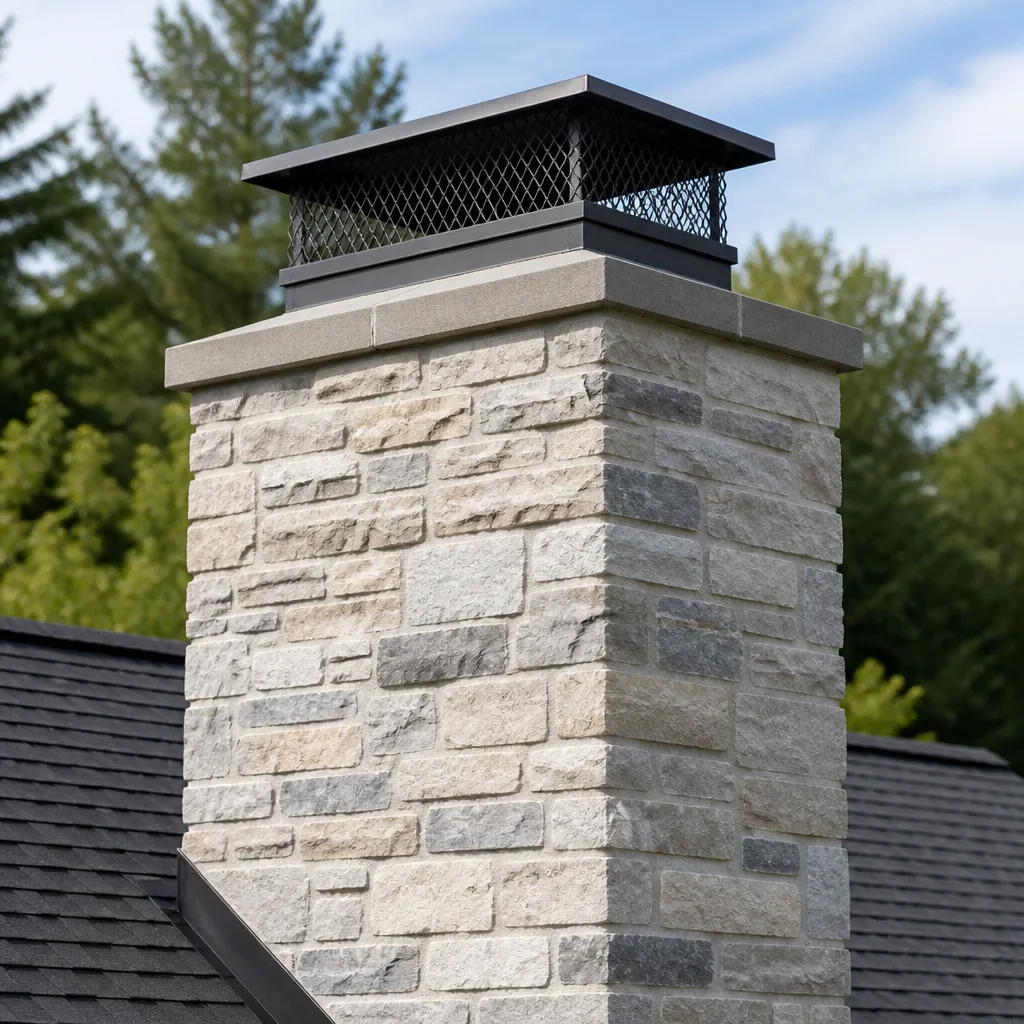 Caps & crowns
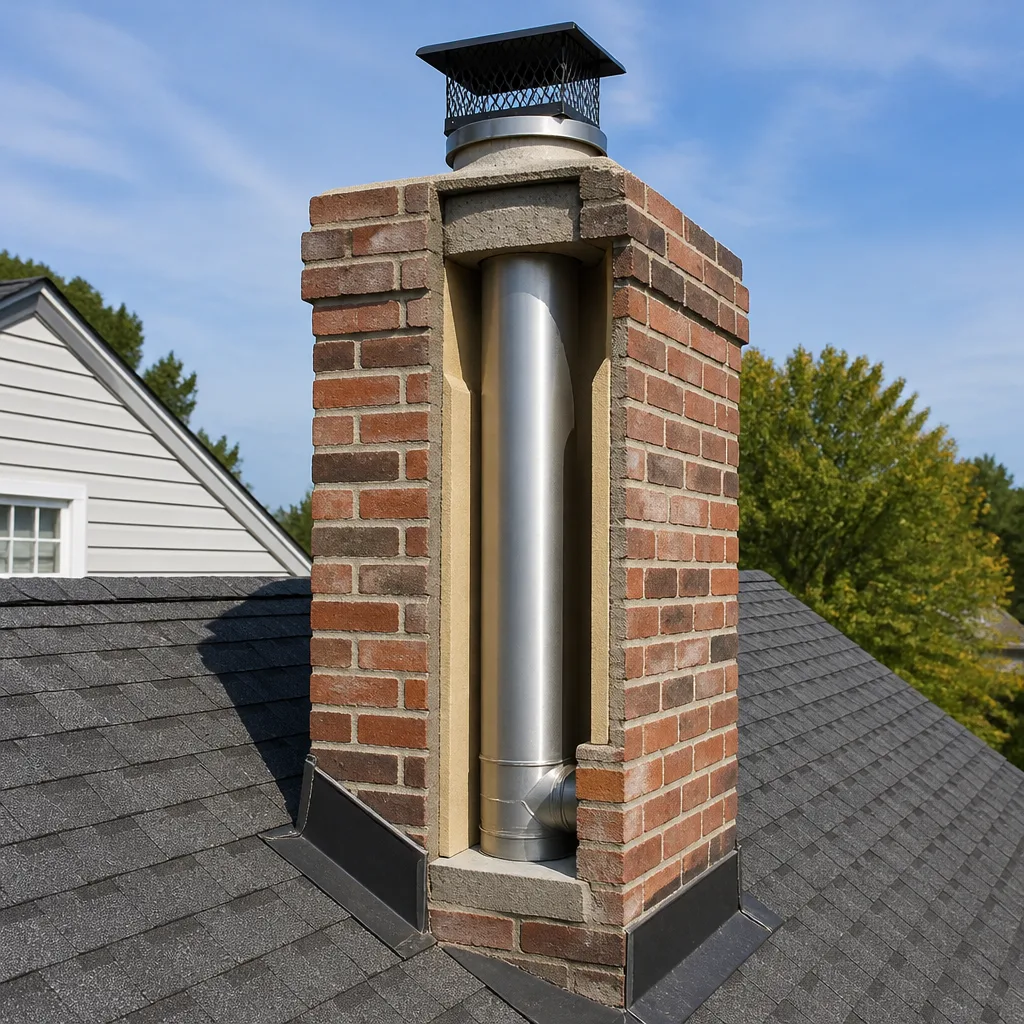 Flue relining
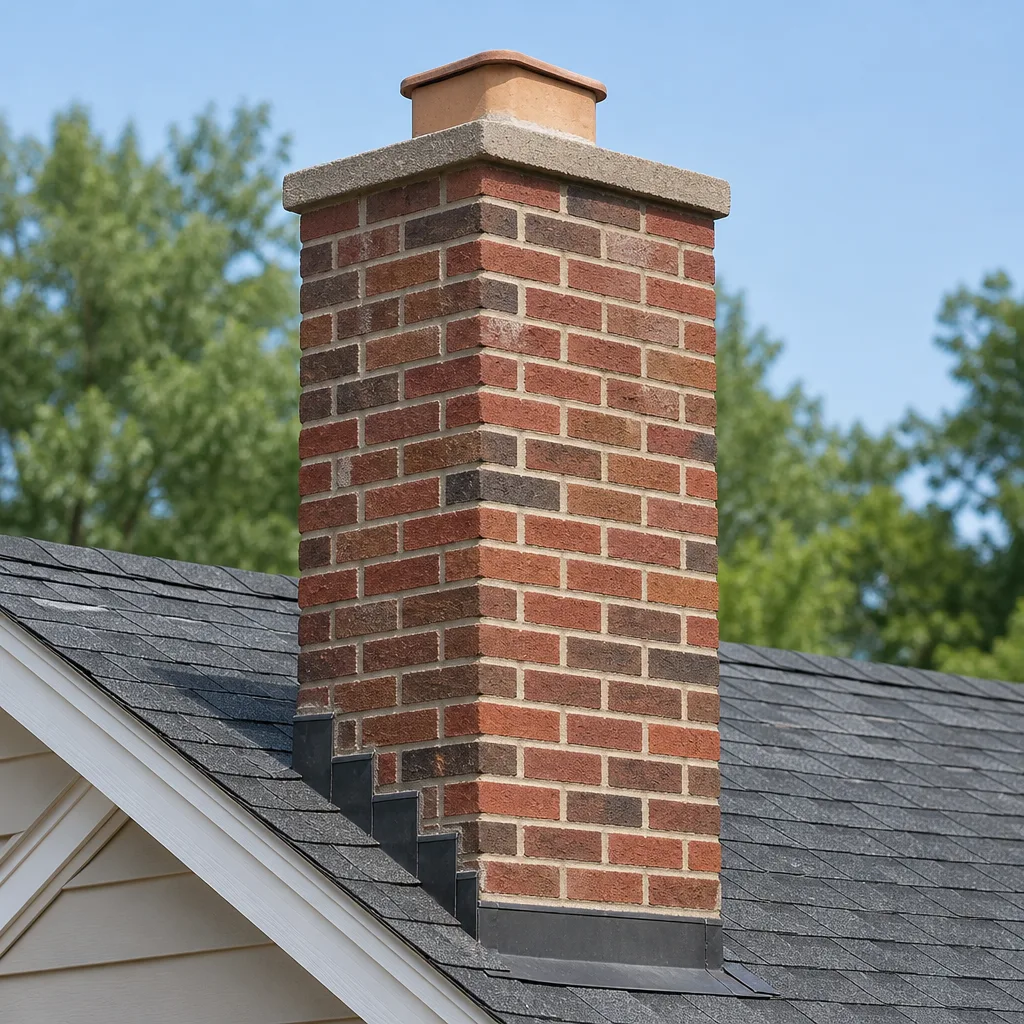 Masonry repair
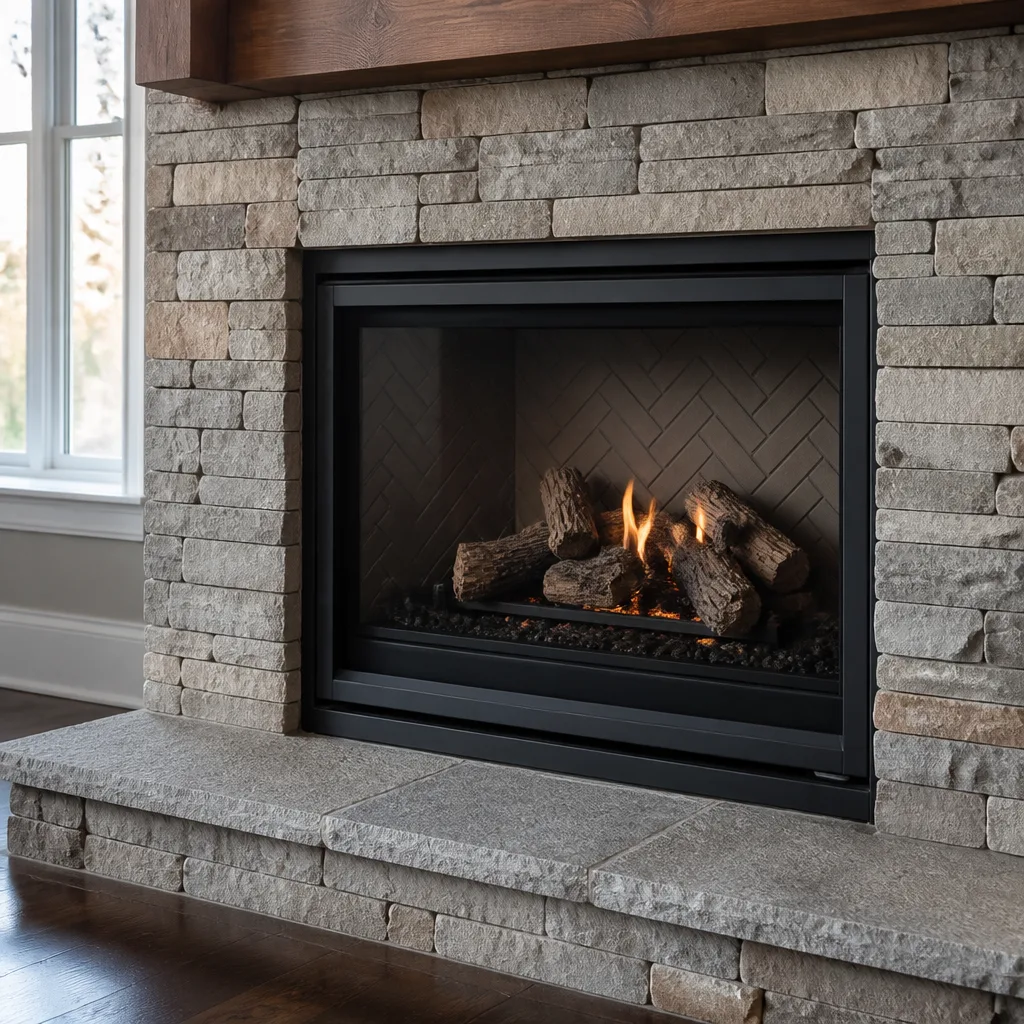 Gas fireplace service
Level 1 sweep and inspection to the NFPA 211 annual standard - flue, crown, cap, and flashing checked and photographed
Chimney sweep logs do not sweep chimneys. They loosen some creosote - which then falls where a brush and vacuum still have to collect it.
The Complete Guide to Chimney Cleaning in Eastvale
Most Eastvale chimneys burn wood fewer than 15 times a year. That sounds like good news, and in some ways it is. But here’s what surprises homeowners: infrequent burning in a mild climate is exactly what produces the glazed, tar-like creosote that’s hardest to remove and most likely to ignite. This guide walks through what a proper chimney cleaning in Eastvale actually involves, why our inland climate creates specific hazards, and what you should expect from a technician who takes the job seriously. By the end, you’ll know more about your chimney than most people ever will, and you’ll know what questions to ask before you book.
Quick Answer
Chimney cleaning in Eastvale typically costs between $180 and $340 for a standard sweep with a basic inspection, depending on flue size, accessibility, and how much creosote has built up. Most homes with a wood-burning fireplace need a cleaning once a year or after every cord of wood burned, whichever comes first. A professional chimney sweep removes creosote, soot, and debris from the flue, then inspects the system for cracks, blockages, and other hazards before you light your first fire of the season.
Styles & brands we work with
- Sweep & inspection
- Caps & crowns
- Flue relining
- Masonry repair
- Gas fireplace service
Table of Contents
- Why Eastvale’s Climate Makes Chimney Cleaning Different
- What a Professional Chimney Cleaning Actually Includes
- The Three Levels of Chimney Inspection Explained
- Creosote: What It Is, Why It’s Dangerous, and How It Builds Up
- How Inland Empire Dust and Santa Ana Winds Affect Your Flue
- Why Professional Tools Matter: Rotary Systems vs. Hardware-Store Brushes
- What Documentation You Should Keep After a Cleaning
- When a Cleaning Reveals Bigger Problems
Why Eastvale’s Climate Makes Chimney Cleaning Different
Eastvale sits in the Inland Empire, where summers are hot and dry, Santa Ana winds push dust through every gap, and winters are mild enough that many homeowners use their fireplaces only a handful of times between November and February. That combination creates a chimney maintenance profile that’s different from what you’d find in colder climates.
In places with harsh winters, people burn wood heavily for months. That constant heat keeps creosote from condensing in large amounts because the flue stays warmer longer. In Eastvale, the opposite happens. A homeowner lights a fire on a December evening, enjoys it for a few hours, then doesn’t touch the fireplace again for three weeks. Each burn cycle deposits a thin layer of creosote, and that layer never gets hot enough to burn off. Over a year or two, those layers accumulate and harden.
Add to that our summer dust. Eastvale’s position in a valley means fine particulates settle into chimney caps, flue openings, and the smoke shelf. When you finally light a fire in the fall, that dust mixes with new creosote and forms a gritty, sticky residue that a basic brush can’t easily remove. We see this pattern in homes across Eastvale, from newer developments near the 15 freeway to established neighborhoods off Hamner Avenue.
Mild winters also create a scheduling problem. Because it rarely gets truly cold, homeowners push off chimney maintenance. A fireplace that works “well enough” in January feels like a low priority by March. By the time October arrives, the accumulated issues have compounded. That’s why we recommend booking a cleaning before you need it, not after your first fire reveals a problem.
What a Professional Chimney Cleaning Actually Includes
A professional chimney cleaning is more than running a brush up and down a flue. A proper service sequence from Chimney Sweep Eastvale follows a specific order, and you should expect every step to be done thoroughly, with documentation at the end.
The Standard Sequence
- Pre-inspection and setup: The technician examines the exterior chimney structure, checks for visible damage to the cap or crown, and confirms the flue size and configuration. They lay down drop cloths and set up a negative-pressure vacuum system to contain dust within the home.
- Flue cleaning: Using a properly sized brush mounted on flexible rods or a rotary cleaning system, the technician mechanically scrubs the full interior of the flue liner from the firebox to the termination point. This removes creosote, soot, and any bird nests or debris.
- Smoke chamber and smoke shelf cleaning: These areas collect debris and creosote faster than the main flue because they sit just above the firebox where turbulence is highest. A hand brush and vacuum are used here because the angles don’t accommodate a standard flue brush.
- Firebox cleaning: The floor and walls of the firebox are swept, and the technician checks the firebrick for cracks, spalling, or loose mortar.
- Damper inspection: The damper is tested for smooth operation, proper seating, and rust. A stuck damper is a safety issue and also makes the fireplace inefficient.
- Post-clean visual inspection: After cleaning, the technician runs a light or camera up the flue to verify that all creosote has been removed and to check for cracks, gaps, or deterioration that was hidden beneath the buildup.
- Documentation and report: You receive a written summary of what was found, what was done, and any recommendations with photos where relevant. Keep this report.
In our experience, the steps homeowners most often assume are included but sometimes aren’t, depending on the company, are the smoke chamber cleaning and the post-clean inspection. Ask about both when you book.
The Three Levels of Chimney Inspection Explained
Chimney inspections are standardized under NFPA 211, the National Fire Protection Association code that governs chimneys and venting systems. Understanding the three levels helps you know what you’re paying for and what Eastvale homes typically need.
Level 1 Inspection
A Level 1 inspection is the standard companion to a routine cleaning. It covers the readily accessible portions of the chimney, both interior and exterior, with no specialized tools beyond a flashlight and basic hand tools. The technician verifies that the flue is free of obstruction, combustible deposits, and structural damage visible from the accessible openings. If you use your fireplace the same way year after year and haven’t changed anything, a Level 1 is appropriate.
Level 2 Inspection
A Level 2 inspection includes everything in Level 1, plus access to attics, crawl spaces, and roof areas, and it requires a video scan of the flue interior. The closed-circuit camera documents every inch of the liner surface, revealing cracks, separations, and deterioration that a flashlight and mirror cannot show. You need a Level 2 when you buy or sell a home, after a chimney fire, after an operational malfunction, after a seismic event, or when you change the fuel type or appliance connected to the chimney. Most Eastvale homes that haven’t been inspected in several years, or homes that have changed hands, should start with a Level 2.
Level 3 Inspection
A Level 3 inspection is the most invasive. It’s called for when a Level 1 or Level 2 reveals a problem that requires opening up a portion of the chimney structure to assess, such as removal of drywall, flooring, or masonry to examine hidden areas. This is rare for routine maintenance but sometimes necessary after a chimney fire or when a hidden structural issue is suspected.
After a long off-season, many Eastvale homeowners benefit from a Level 2 simply because the camera reveals what months of disuse and dust have done. It’s the difference between a cleaning that confirms what you see and an inspection that confirms what’s actually there.
Creosote: What It Is, Why It’s Dangerous, and How It Builds Up
Creosote is the dark, oily byproduct of incomplete wood combustion. When wood burns, it releases volatile gases, water vapor, and particulates. As those gases travel up a cooling flue, they condense onto the liner walls. That condensation is creosote.
Creosote forms in stages. Stage 1 is a light, flaky soot that brushes off easily. Stage 2 is thicker, with a granular, crunchy texture and a darker color. Stage 3 is the worst: a hard, shiny, tar-like glaze that bakes onto the flue surface and requires aggressive rotary cleaning, specialized chemical treatments, or both to remove.
Here’s what matters for Eastvale specifically: Stage 2 and Stage 3 creosote accumulate faster in chimneys that burn infrequently at low temperatures. A homeowner in a cold climate who burns hot fires daily may only ever produce Stage 1 because the flue temperature stays high enough to prevent condensation. Here, the pattern of occasional, short fires means each burn deposits a new layer that never gets hot enough to convert to a lighter form. Over two or three seasons, that layering produces a glaze.
Creosote is the primary fuel for chimney fires. A chimney fire happens when creosote inside the flue ignites. It can burn with intense heat, reaching temperatures that crack flue tiles, warp metal liners, and spread to structural framing. Even a small chimney fire can damage a chimney beyond safe use without visible signs from the outside. That’s one reason we recommend a Level 2 inspection after any known or suspected chimney fire, even if the fire seemed minor.
Safety note: if you ever hear a loud roar from your chimney, see flames or dense smoke coming from the top of the chimney, or notice hot spots on the surrounding walls, call 911 immediately and evacuate. Do not attempt to extinguish a chimney fire yourself.
How Inland Empire Dust and Santa Ana Winds Affect Your Flue
Eastvale’s air quality challenges are real. The region’s geography means dust, pollen, and fine particulates settle constantly. When Santa Ana winds blow, they carry desert dust across the valley and into every exposed surface, including chimney caps and flues.
Here’s what that dust actually does inside a chimney. During the months when your fireplace sits unused, the flue becomes a dust collector. Fine particulates drop through the chimney cap and settle on the smoke shelf, damper, and flue walls. A closed damper helps keep dust from entering the living space, but it doesn’t keep the chimney itself clean.
When you light the next season’s first fire, that accumulated dust burns or suspends in the hot gases. As it rises with the smoke, it mixes with fresh creosote condensation. The result is a particulate-heavy deposit that binds more firmly to the flue surface than creosote alone. A chimney that might have cleaned up easily with a standard brush becomes a job for a rotary system with chains.
Dust also accelerates flue tile degradation in clay tile liners. Flue tiles expand and contract slightly with each heating and cooling cycle. In a dusty environment, microscopic particulates work into hairline cracks and act as an abrasive, widening gaps over time. What a camera-less inspection misses is the early-stage cracking that starts behind the glaze of accumulated dust and creosote. A Level 2 video scan reveals this. That’s one reason we run a camera after every cleaning in Eastvale, not just when a problem is suspected.
If you have a chimney cap, make sure it’s intact and properly fitted. A Gelco cap with a screened spark arrestor does double duty: it blocks sparks and embers from leaving the chimney and it significantly reduces the amount of windblown debris and dust that enters the flue during the off-season. We keep Gelco caps in our service inventory because the fit and durability matter more than homeowners expect, especially with our wind patterns.
Why Professional Tools Matter: Rotary Systems vs. Hardware-Store Brushes
You can buy a chimney brush kit at a hardware store for under $50. That’s a fact. Here’s another fact: those kits are sized for specific flue dimensions, and if you guess wrong, you either scrape the liner ineffectively or wedge the brush mid-flue. They also can’t address Stage 3 creosote, they can’t inspect what they’ve missed, and they offer no way to verify the flue is actually clean.
Professional chimney sweeps use two categories of tools that change the outcome.
Rotary Cleaning Systems
A rotary cleaning system attaches to a drill and spins a brush head at high speed, typically with flexible rods that let the technician work the system through offsets and bends in the flue. Rotary heads, which may use plastic or metal spinners depending on the liner type, remove Stage 2 and Stage 3 creosote that a static brush cannot. For glazed creosote, we often pair rotary cleaning with a chemical treatment that softens the glaze before mechanical removal.
Closed-Circuit Inspection Cameras
A closed-circuit camera is a high-resolution probe that travels up the flue and records the liner surface in real time. It shows cracks, separations, missing mortar joints, and debris that the human eye cannot reach. This is the standard for a Level 2 inspection, and it’s standard procedure after every cleaning we perform. We show you what we found, with photos and plain-language explanations. No pressure, just facts.
The difference between a hardware-store brush job and a professional rotary clean with a camera inspection is the difference between guessing and knowing. You’re not paying for the brushing motion. You’re paying for the verification that the job is done right and the system is safe.
What Documentation You Should Keep After a Cleaning
After a professional chimney cleaning in Eastvale, you should receive documentation. If a company offers you a receipt with no details, ask for more. Here’s what a proper report includes and why it matters.
- Date of service and technician name: Establishes a maintenance record with a verifiable timeline.
- Scope of work performed: Lists exactly what was cleaned, inspected, and any tools or methods used.
- Photos or video stills: Visual evidence of the flue condition before and after cleaning, plus any defects found.
- Inspection level: Identifies whether a Level 1 or Level 2 inspection was performed and documents the flue’s condition accordingly.
- Recommendations and priority: Notes any repairs or follow-up work suggested, with a clear indication of urgency.
This documentation serves two practical purposes. First, homeowners insurance carriers often want proof of maintenance when a chimney-related claim is filed. A documented cleaning history shows due diligence and supports the claim. Second, when you sell your home, a chimney inspection report is part of the disclosure conversation. A buyer who sees a consistent maintenance record and a recent camera inspection has fewer reasons to request concessions or demand a costly pre-sale inspection.
Keep the report with your home’s permanent records. Scan it if you prefer digital. Fifteen years from now, you’ll be glad to have the paper trail.
When a Cleaning Reveals Bigger Problems
A chimney cleaning sometimes reveals that the chimney needs more than a sweep. This is where working with a company that also handles chimney repair saves you a second appointment with a different vendor.
The most common findings after a cleaning in Eastvale are cracked flue tiles, deteriorated mortar joints, damaged crowns, or a rusted damper. Each has a different repair path.
For cracked or deteriorating flue tiles, the options are typically a full liner replacement or a resurfacing treatment. We specify HeatShield for many resurfacing jobs because it’s a code-recognized product designed to restore deteriorated flue tiles without full liner replacement. The compound is applied as a coating that seals cracks and gaps, restoring a smooth flue surface. HeatShield is a professional-line product, not a retail item, and it requires certified application. For full liner replacement, we install and service DuraFlex flexible chimney liner systems, a product line specified by chimney engineers and commercial restoration contractors. A DuraFlex liner is a heavy-gauge stainless steel liner that creates a new flue passage inside the existing chimney, which is either 316L or 316Ti stainless, depending on the application.
Damaged chimney caps are a simpler fix. We stock and install Gelco chimney caps, which are manufactured to fit specific flue dimensions and include spark arrestors. A properly fitted Gelco cap keeps out rain, birds, and in our area, a surprising amount of dust.
For chimney crown repairs, the approach depends on the extent of the damage. Hairline cracks can be sealed with an appropriate crown coating. Larger cracks or spalling require rebuilding the crown. On the venting side, we use Famco ventilation components when the job involves caps, venting hoods, or related hardware, and Olympia Chimney products fit specific repair scenarios for flue components.
What we do not do is recommend a repair you can’t verify. Every significant recommendation comes with camera evidence you can see for yourself. If work can safely wait, we say so. If it can’t, we show you why.
Common Mistakes to Avoid
- Skipping annual cleaning because you don’t use the fireplace much. Low usage in Eastvale’s climate produces Stage 2 and Stage 3 creosote faster than heavy use. Infrequent burning is a reason to schedule a cleaning, not skip it.
- Assuming a visual check is enough. You cannot see glazed creosote or early-stage tile cracking from the firebox opening. A camera inspection reveals what the eye misses, and skipping it means problems compound unseen.
- Cleaning the chimney but not the dryer vent. Both are fire-safety systems tied to your home’s ventilation. Dryer vent cleaning is a separate service, but it deserves the same annual attention as your chimney. Lint accumulation is the leading cause of dryer-related house fires.
- Burning unseasoned wood. Green or wet wood produces cooler, smokier fires with more condensation. In Eastvale, where fires are already cooler due to mild weather, unseasoned wood accelerates creosote buildup dramatically. Burn only wood seasoned at least six months.
- Ignoring a damper that’s hard to operate. A stiff or stuck damper is a symptom of rust, warping, or debris buildup. It’s also a safety hazard: a damper that won’t open sends smoke and carbon monoxide into your home.
- Hiring based on the lowest price. A low-cost sweep that skips the smoke chamber or the post-clean camera inspection leaves problems in place. Ask what the price includes before you book, not after.
- Delaying a known chimney problem until “next winter.” Repairs don’t improve with time. A cracked flue exposed to another season of heat cycling gets worse, and the repair becomes more expensive.
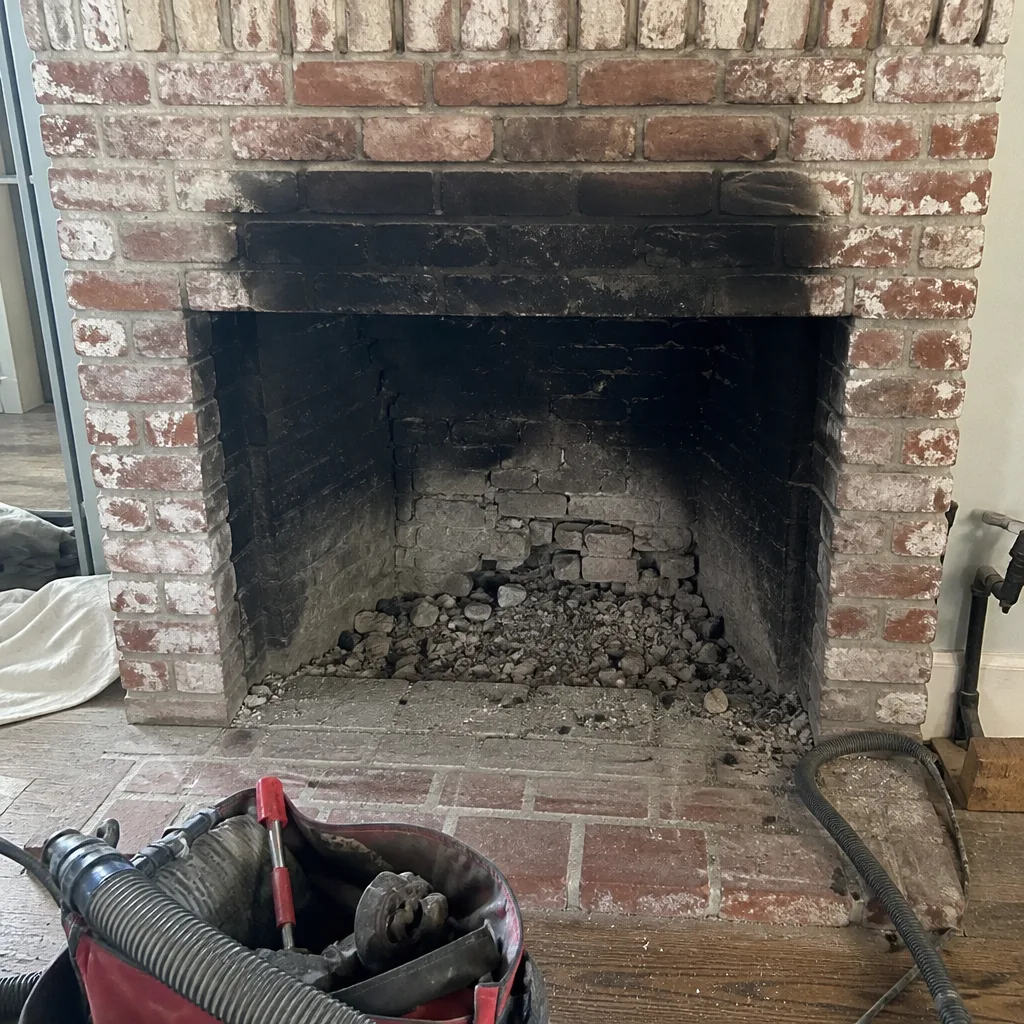
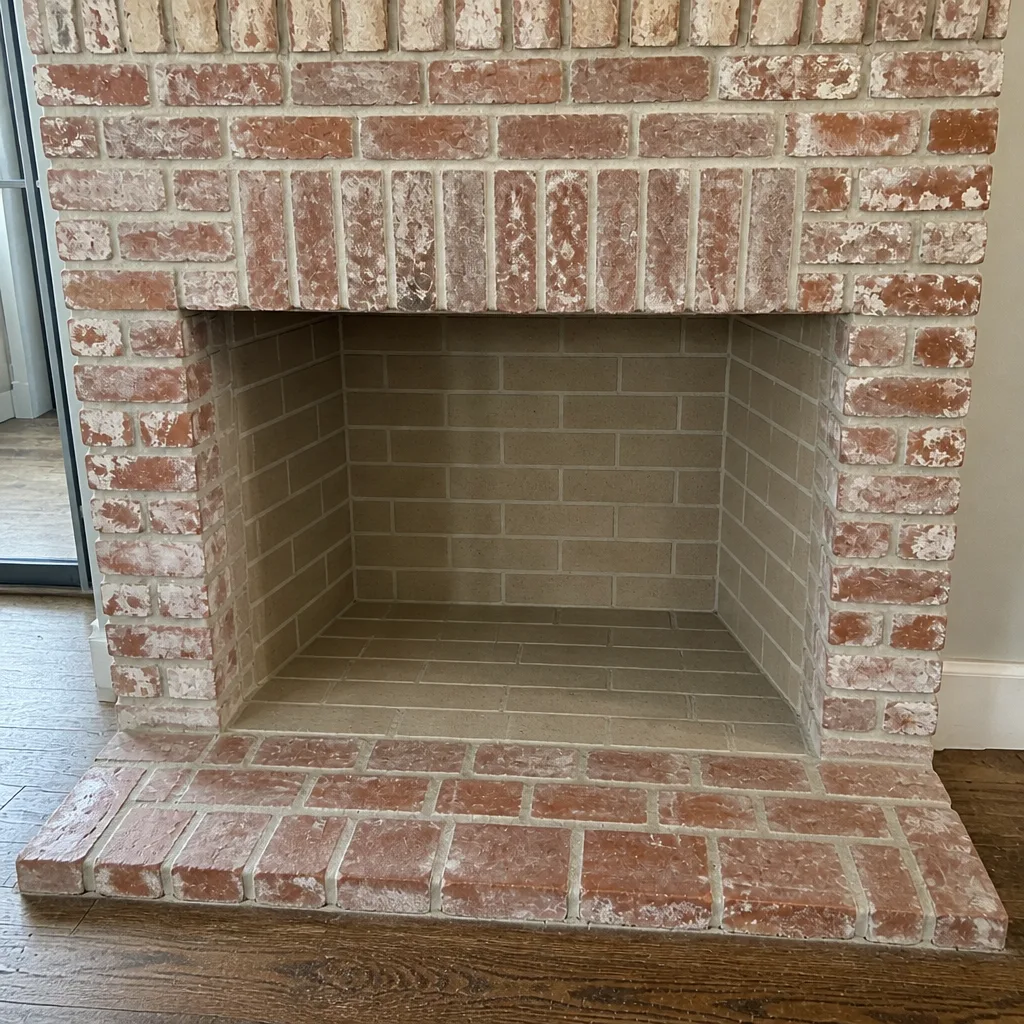
See the difference
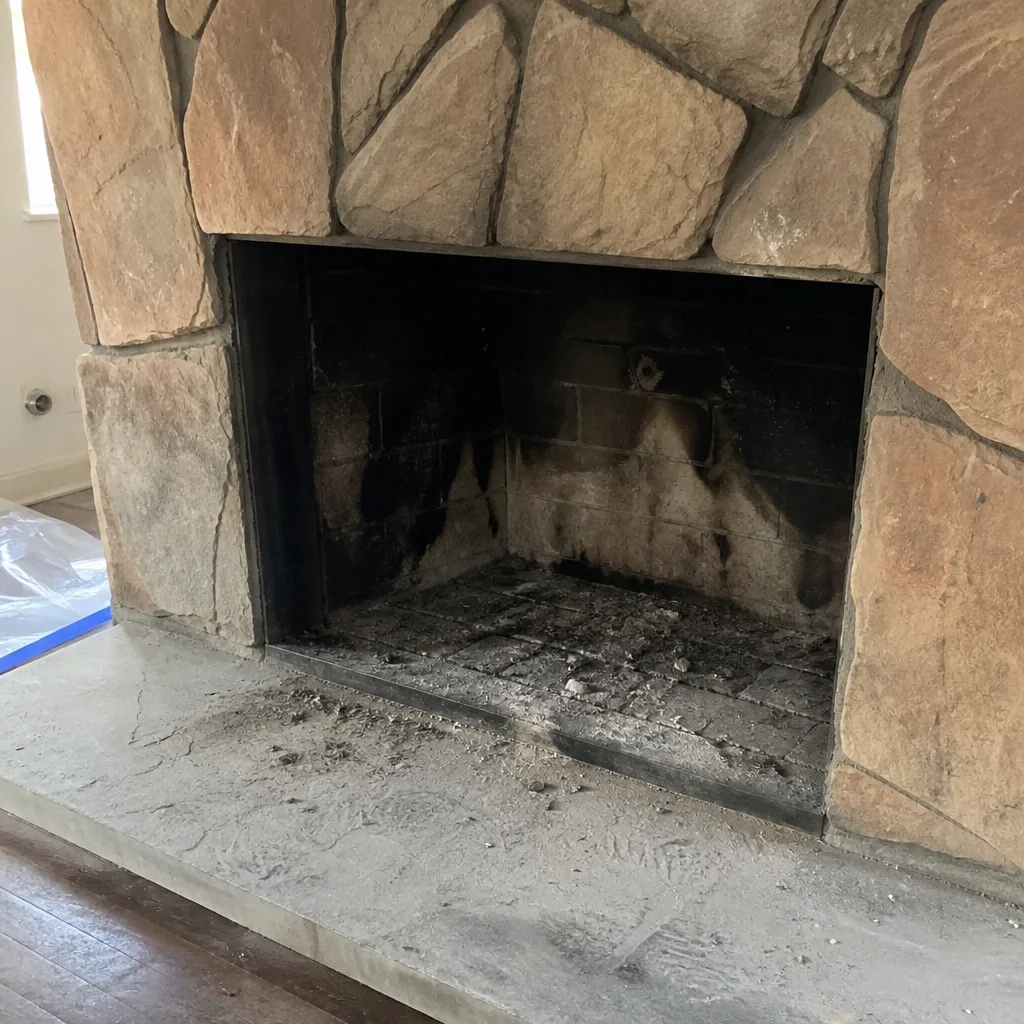 Before
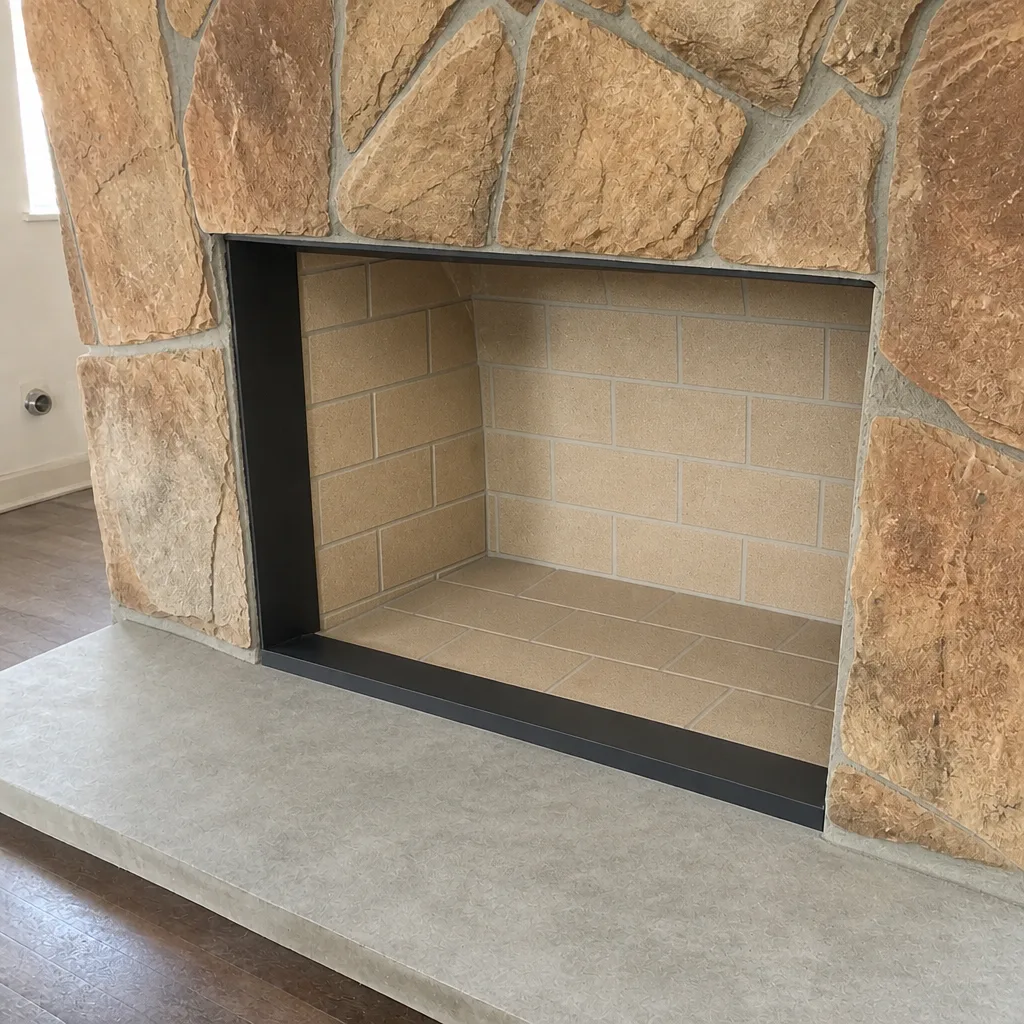 After
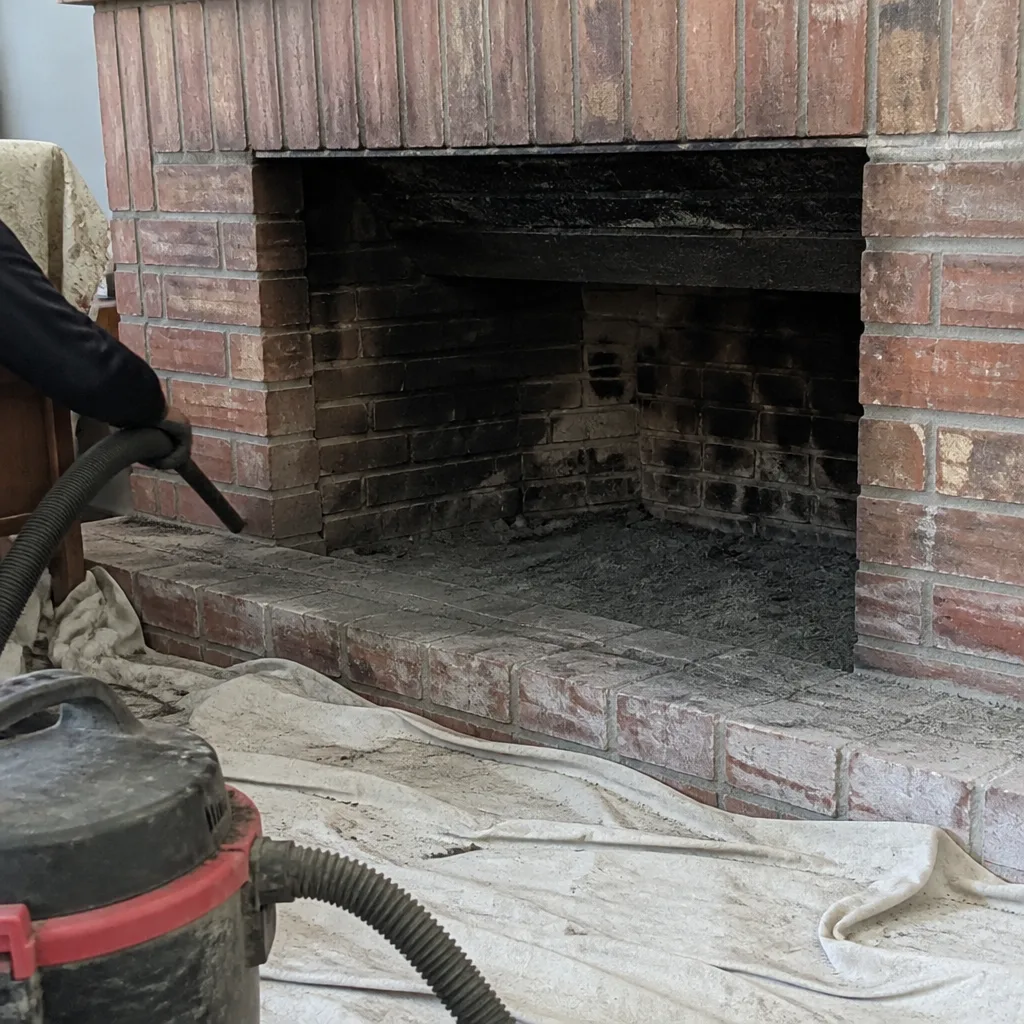 Before
 After
 Before
 After
When to Call a Professional
Call a professional if you notice any of these: a strong odor coming from the fireplace even when it’s not in use, visible soot or creosote buildup inside the firebox, smoke entering the room when the damper is open, a damper that won’t open or close, water staining on the ceiling or walls near the chimney, or signs of animal activity such as nests or scratching sounds. Also call if you’ve had a chimney fire, even a small one, or if you’ve purchased a home with an unknown chimney history. These are not items to diagnose on your own. Chimney Sweep Eastvale offers free estimates in Eastvale, and we’ll show you exactly what we find. Call (866) 569-7136. We answer 24/7. Fast dispatch from 7am to 7pm, Sunday through Friday.
Frequently Asked Questions
The National Fire Protection Association recommends a chimney inspection and cleaning at least once a year, regardless of how often you burn. In Eastvale, our dust and mild-burn patterns mean an annual cleaning is the minimum for safety. If you burn more than one cord of wood per season, schedule a second cleaning.
A standard chimney cleaning in Eastvale typically runs between $180 and $340. The final price depends on flue size, accessibility, creosote stage, and whether additional services like a video inspection are added. The written estimate sets the final price, and estimates are free. Call (866) 569-7136 for an exact quote.
You can, but we don’t recommend it. Hardware-store brush kits can’t remove Stage 2 or Stage 3 creosote, they can’t inspect the flue after cleaning, and they can’t verify the job actually worked. What’s more, working on a dirty chimney without proper containment sends soot and creosote dust into your home. A professional sweep includes containment, specialized tools, and a camera-verified result.
A cleaning removes creosote, soot, and debris from the flue and accessible parts of the chimney. An inspection evaluates the condition of the system, and the level of inspection determines how thoroughly. A Level 1 inspection is a visual check of accessible areas. A Level 2 adds a closed-circuit camera scan. Most Eastvale homes benefit from a combined cleaning and Level 2 inspection because the camera reveals issues hidden beneath the buildup.
Gas fireplaces do not produce creosote, but they do produce acidic condensation that can corrode flue liners over time, and they still require periodic inspection. A gas insert that vents into an old wood-burning flue needs the flue checked for compatibility and condition. Dust and debris from Eastvale’s environment also accumulate in gas venting systems and need removal.
Creosote accumulates in layers that harden into a glaze. Dust from Inland Empire winds concentrates in the flue during the off-season. Over several years, the flue can become significantly obstructed, the liner can crack, and the chimney becomes a fire hazard. Even if you never experience a chimney fire, you’ll likely face a more expensive repair when you do address the chimney, and a neglected chimney can also reduce your home’s resale value when it’s flagged during a buyer’s inspection. Call (866) 569-7136 for a free estimate.
The Bottom Line
Chimney cleaning in Eastvale is not a checkbox. It’s the verification that your fireplace and venting system are safe to use this season and the seasons after. Our inland climate, mild winter, and persistent dust create conditions that quietly degrade chimneys even when they’re rarely used. A professional sweep with a camera inspection removes what you can see and reveals what you can’t. The documentation you keep after a cleaning protects your insurance standing and your home’s resale value. And the peace of knowing the flue is clean, the liner is sound, and the damper works is worth the cost every time. If it’s been more than a year since your last cleaning, or if you’ve never had one, now is the time. Call (866) 569-7136 to schedule. We answer 24/7. Fast dispatch from 7am to 7pm, Sunday through Friday.
Written by the team at Chimney Sweep Eastvale, serving Eastvale since 2016.